
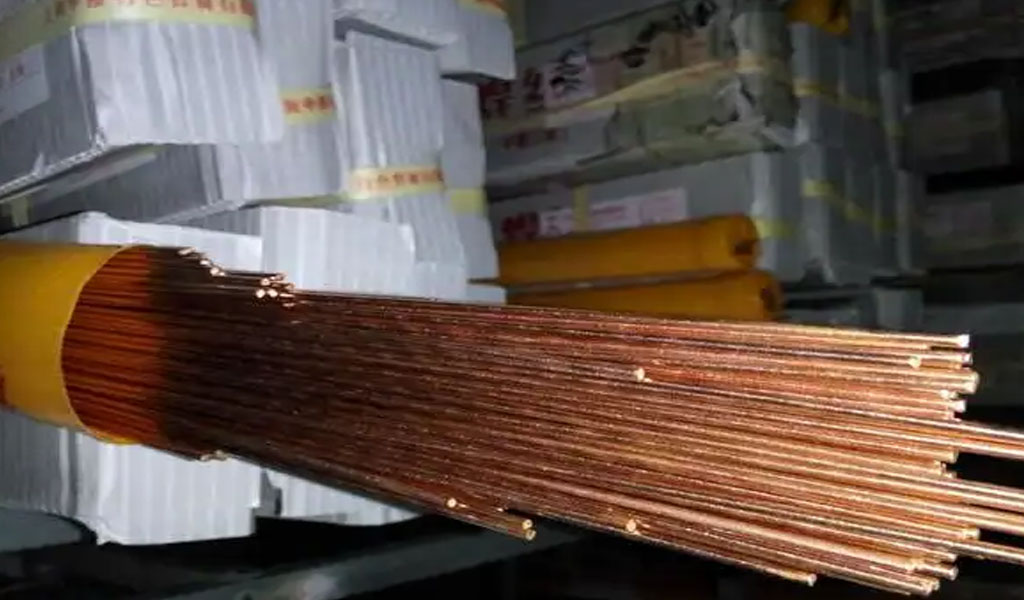
BAg72Cu, commonly referred to as a silver-copper eutectic alloy, stands as a cornerstone in the domain of high-precision welding, earning the moniker “golden partner” among engineers, metallurgists, and manufacturers alike. Comprising 72% silver (Ag) and 28% copper (Cu) by weight, this solder is celebrated for its exceptional properties, which make it indispensable in applications requiring robust, reliable, and aesthetically pleasing joints.
Its eutectic composition—meaning it transitions directly from solid to liquid at a single melting point without a pasty range—offers unparalleled advantages in precision welding, brazing, and soldering processes.
This article delves into the scientific underpinnings, practical applications, and comparative merits of BAg72Cu, exploring why it has become a preferred material in industries ranging from aerospace to electronics.
BE-CU.COM
The designation “BAg72Cu” adheres to the American Welding Society (AWS) classification system for silver-based brazing alloys, where “B” denotes a brazing filler metal, “Ag” indicates silver as the primary constituent, and the numeric “72” specifies the silver content. The appended “Cu” highlights copper as the complementary element. With a melting point of approximately 779°C (1435°F), BAg72Cu is a high-temperature solder, distinguishing it from lower-melting-point alloys used in soft soldering. This characteristic, combined with its excellent flowability, mechanical strength, and corrosion resistance, positions it as a standout performer in demanding environments.
Composition and Metallurgical Properties
BAg72Cu’s eutectic nature is central to its utility. In materials science, a eutectic alloy is one that exhibits the lowest possible melting point for a given combination of elements. For silver and copper, this occurs at 72% Ag and 28% Cu, where the alloy solidifies into a fine, lamellar microstructure of alternating silver-rich and copper-rich phases. This structure enhances the material’s mechanical properties, providing a tensile strength of approximately 40,000–50,000 psi (276–345 MPa) and a shear strength exceeding 20,000 psi (138 MPa), depending on joint design and brazing conditions.
The absence of a plastic range during solidification ensures that BAg72Cu flows uniformly into joint gaps, wetting metal surfaces effectively without leaving voids or inconsistencies. This is particularly advantageous in high-precision welding, where even minor imperfections can compromise structural integrity or electrical conductivity. The alloy’s thermal conductivity, approximately 370 W/m·K, and electrical conductivity, rivaling that of pure copper, further enhance its suitability for applications requiring efficient heat dissipation or current transfer.
BAg72Cu is typically available in various forms, including wire, rod, strip, and preforms, allowing flexibility in application methods such as torch brazing, furnace brazing, or induction heating. Its compatibility with base metals like copper, brass, bronze, stainless steel, and nickel alloys broadens its scope, though care must be taken with metals prone to liquidation, such as those with high zinc content.
Historical Context and Development
Silver-copper alloys have been utilized in metal joining for centuries, with early applications traced back to jewelry and coinage in ancient civilizations. The systematic study of the Ag-Cu phase diagram in the 19th century, notably by metallurgists like William Chandler Roberts-Austen, revealed the eutectic point at 779°C, laying the groundwork for modern brazing alloys like BAg72Cu. The 20th century saw its adoption in industrial settings, driven by the need for reliable joints in emerging technologies such as electrical engineering and aerospace manufacturing. Today, BAg72Cu is standardized under specifications like AWS A5.8 and ISO 17672, ensuring consistency in its production and performance.
Applications in High-Precision Welding
BAg72Cu’s prominence in high-precision welding stems from its ability to meet stringent requirements across diverse sectors. In aerospace, it is employed to join turbine blades, fuel lines, and heat exchangers, where joints must withstand extreme temperatures and mechanical stress. The alloy’s low vapor pressure at high temperatures minimizes outgassing, a critical factor in vacuum-sealed components like those found in spacecraft.
In electronics, BAg72Cu serves as a solder for high-reliability connections in circuit breakers, relays, and connectors. Its high electrical conductivity and resistance to thermal fatigue ensure long-term performance in power distribution systems. Medical device manufacturing also benefits from BAg72Cu, particularly in the assembly of surgical instruments and implants, where biocompatibility and precision are paramount. The alloy’s cadmium-free composition enhances its safety profile, avoiding the toxicity concerns associated with cadmium-bearing solders.
Jewelry and decorative arts represent another key domain, where BAg72Cu’s lustrous finish and workability allow artisans to create intricate, durable designs. Its ability to bond precious metals like gold and silver without compromising their aesthetic qualities underscores its versatility.
Advantages Over Other Solders
To understand why BAg72Cu is dubbed the “golden partner,” a comparison with other brazing and soldering alloys is instructive. Table 1 provides a detailed juxtaposition of BAg72Cu against common alternatives, highlighting its superior attributes.
Table 1: Comparative Analysis of BAg72Cu and Other Brazing Alloys
| Alloy | Composition | Melting Point (°C) | Tensile Strength (MPa) | Flowability | Corrosion Resistance | Typical Applications |
|---|---|---|---|---|---|---|
| BAg72Cu | 72% Ag, 28% Cu | 779 (eutectic) | 276–345 | Excellent | High | Aerospace, electronics, jewelry |
| BAg-5 | 45% Ag, 30% Cu, 25% Zn | 663–743 (range) | 240–300 | Good | Moderate | Plumbing, HVAC |
| BCuP-2 | 93% Cu, 7% P | 710–793 (range) | 200–250 | Very Good | Moderate | Copper piping, refrigeration |
| Sn63Pb37 | 63% Sn, 37% Pb | 183 (eutectic) | 50–60 | Excellent | Low | Electronics (soft soldering) |
| BAg-7 | 56% Ag, 22% Cu, 17% Zn, 5% Sn | 618–652 (range) | 260–320 | Very Good | High | General brazing, food equipment |
Notes:
- Melting Point: Eutectic alloys like BAg72Cu and Sn63Pb37 melt at a single temperature, while others exhibit a melting range.
- Flowability: Assessed by capillary action and joint penetration.
- Corrosion Resistance: Evaluated in standard atmospheric conditions.
BAg72Cu outperforms lower-silver-content alloys like BAg-5 and BCuP-2 in terms of strength and corrosion resistance, though it requires higher brazing temperatures. Compared to soft solders like Sn63Pb37, it offers vastly superior mechanical properties and thermal stability, albeit at the cost of a higher melting point that precludes its use in temperature-sensitive electronics. Against BAg-7, a popular cadmium-free alternative, BAg72Cu provides greater strength and a simpler binary composition, reducing the complexity of phase interactions during solidification.
Technical Considerations in Application
Successful use of BAg72Cu demands attention to several parameters. Joint clearance is a critical factor, with an optimal gap of 0.025–0.127 mm (0.001–0.005 inches) recommended to maximize capillary action and joint strength. Wider gaps may lead to incomplete filling, while excessively tight fits can impede solder flow. Surface preparation is equally vital; base metals must be cleaned of oxides, oils, and contaminants using mechanical abrasion or chemical fluxes, typically borax-based for high-temperature brazing.
Heating methods influence outcomes significantly. Torch brazing with an oxyacetylene flame offers precision for small assemblies, while furnace brazing ensures uniform temperature distribution in large-scale production. Induction heating, leveraging electromagnetic fields, provides rapid, localized heating ideal for automated processes. Regardless of the method, overheating must be avoided to prevent liquidation—a phenomenon where the filler metal dissolves the base material, weakening the joint.
Post-brazing treatment involves quenching in water or air cooling, followed by pickling in a dilute acid solution (e.g., sulfuric or nitric acid) to remove oxide residues. This step enhances both the joint’s appearance and its resistance to environmental degradation.
Microstructural Insights
The solidified microstructure of BAg72Cu consists of a lamellar arrangement of silver-rich α-phase and copper-rich β-phase, as dictated by the Ag-Cu phase diagram. This fine, interpenetrating structure contributes to the alloy’s ductility and toughness, allowing it to absorb stresses without cracking. Scanning electron microscopy (SEM) studies reveal grain sizes typically in the range of 5–20 micrometers, influenced by cooling rates post-brazing. Rapid cooling yields finer grains and higher hardness, while slower cooling promotes larger grains with improved ductility.
Energy-dispersive X-ray spectroscopy (EDS) confirms the homogeneous distribution of Ag and Cu, with no significant segregation, ensuring consistent properties across the joint. This uniformity is a key differentiator from multi-component alloys, where phase separation can introduce weak points.
Environmental and Safety Aspects
BAg72Cu’s cadmium-free formulation aligns with modern environmental regulations, such as the European Union’s Restriction of Hazardous Substances (RoHS) directive. Unlike historical silver solders containing cadmium (e.g., BAg-1), which offered lower melting points but posed health risks due to toxic fumes, BAg72Cu is safer for workers and end-users. Its high silver content, while increasing cost, reflects a trade-off for sustainability and performance—a factor that resonates with industries prioritizing quality over initial expense.
Economic Considerations
The high silver content of BAg72Cu renders it more expensive than copper-phosphorus or tin-lead alloys, with prices fluctuating based on global silver markets. As of February 24, 2025, silver prices hover around $30–$35 per troy ounce, translating to a material cost of roughly $20–$25 per ounce of BAg72Cu, depending on purity and supplier markup. For high-volume applications, this cost may be offset by the alloy’s longevity and reduced maintenance needs, particularly in critical systems where failure is not an option.
Comparative Performance Metrics
Table 2 offers a deeper dive into performance metrics, drawing from experimental data and industry standards.
Table 2: Performance Metrics of BAg72Cu vs. Alternatives
| Property | BAg72Cu | BAg-5 | BCuP-2 | Sn63Pb37 | BAg-7 |
|---|---|---|---|---|---|
| Melting Point (°C) | 779 | 663–743 | 710–793 | 183 | 618–652 |
| Tensile Strength (MPa) | 276–345 | 240–300 | 200–250 | 50–60 | 260–320 |
| Shear Strength (MPa) | 138–172 | 120–150 | 100–125 | 25–30 | 130–160 |
| Thermal Conductivity (W/m·K) | 370 | 150 | 350 | 50 | 180 |
| Electrical Conductivity (% IACS) | 85 | 40 | 90 | 12 | 50 |
| Fatigue Life (cycles) | 10^6–10^7 | 10^5–10^6 | 10^5–10^6 | 10^4–10^5 | 10^6–10^7 |
Notes:
- % IACS: Percentage of International Annealed Copper Standard, a measure of electrical conductivity.
- Fatigue Life: Estimated cycles to failure under cyclic loading, per ASTM standards.
BAg72Cu excels in thermal and electrical conductivity, rivaling pure copper-based alloys like BCuP-2, while surpassing all competitors in fatigue resistance—a testament to its eutectic microstructure’s resilience.
Conclusion
Despite its strengths, BAg72Cu is not without drawbacks. Its high melting point precludes use with temperature-sensitive materials, such as certain plastics or low-melting-point metals. The cost factor may deter adoption in budget-constrained projects, and the need for precise temperature control during brazing requires skilled operators or advanced equipment. Additionally, while compatible with many metals, it may form brittle intermetallic compounds with iron-based alloys if not properly managed, necessitating protective coatings or intermediate layers.
Ongoing research aims to enhance BAg72Cu’s capabilities, such as through microalloying with elements like indium or gallium to lower the melting point without sacrificing strength. Advances in additive manufacturing may also enable the alloy’s use in 3D-printed brazing preforms, tailoring joint geometries with unprecedented precision. As industries push toward miniaturization and sustainability, BAg72Cu’s role as a “golden partner” is likely to evolve, adapting to new challenges while retaining its core strengths.
BAg72Cu stands as a paragon of high-precision welding, blending metallurgical elegance with practical utility. Its eutectic composition, robust mechanical properties, and versatility across industries underscore its reputation as the “golden partner” in soldering and brazing. While not without limitations, its advantages—detailed through rigorous comparison and scientific analysis—cement its status as a material of choice for applications where reliability and performance are non-negotiable. As technology advances, BAg72Cu’s legacy as a cornerstone of precision engineering seems assured, poised to meet the demands of both present and future.
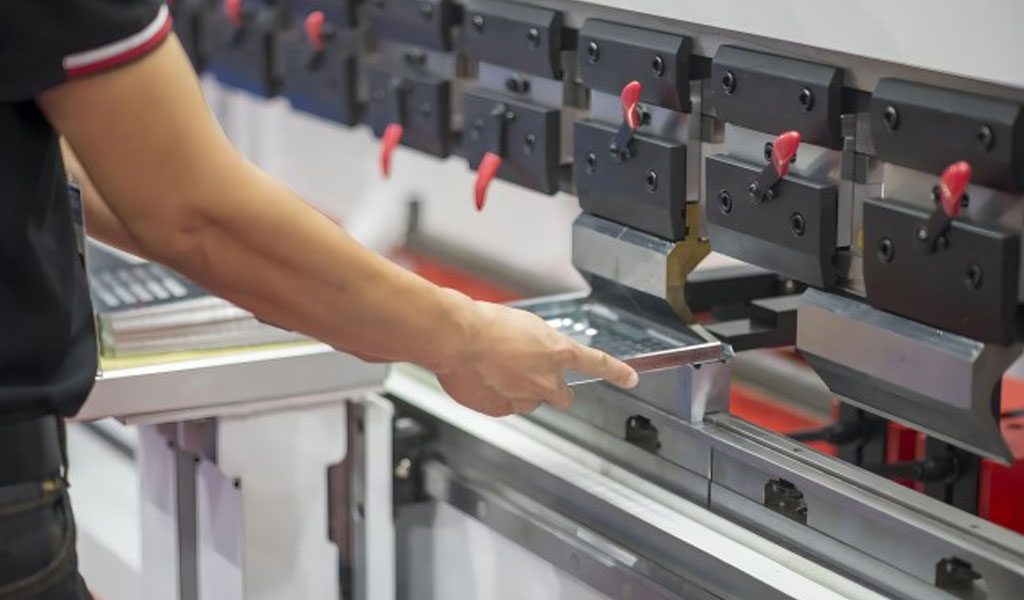
China Sheet Metal Fabrication Company
Sheet fabrication services for mild steel, high strength low alloy (HSLA) steel, cold/hot rolled steel, galvanized steel, stainless steel, aluminum, copper and brass. Capable of fabricating parts up to 12 ft. length and +/-0.001 in. tolerance. Various capabilities include contract manufacturing,custom stamping,edge rolling, forming,top laser cutting, roll bending and welding. Finishing and secondary services such as hardware installation, tapping, deburring, cleaning, heat treating, plating, anodizing and painting available. Sheet Metal Prototype and low to high volume production runs offered.
Suitable for commercial/residential architectural, aluminum brake shape parts, wall panel systems, brackets, general flashings, rails, call button plates and ship building component parts.If you want a specific material to be used in the sheet metal fabrication process, don’t hesitate to contact us!
-
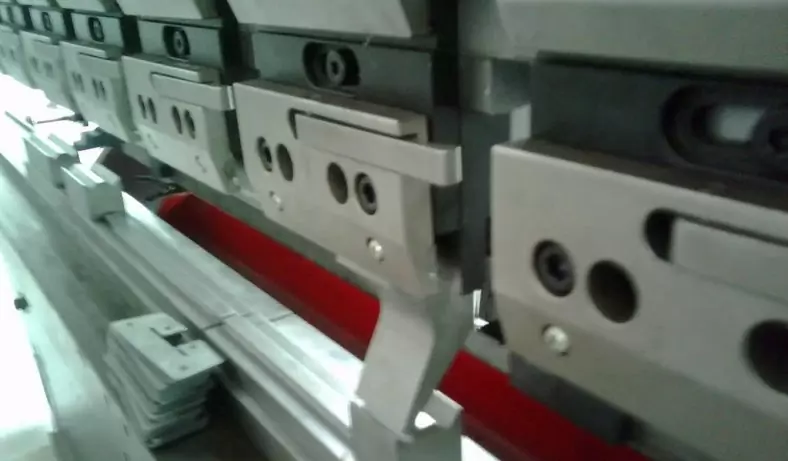
Stainless Steel Sheet Metal Fabrication
-
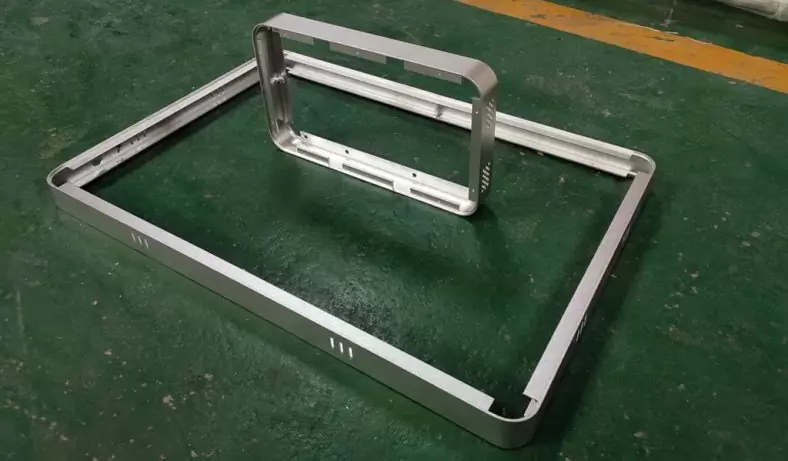
Aluminum Sheet Metal Fabrication
-
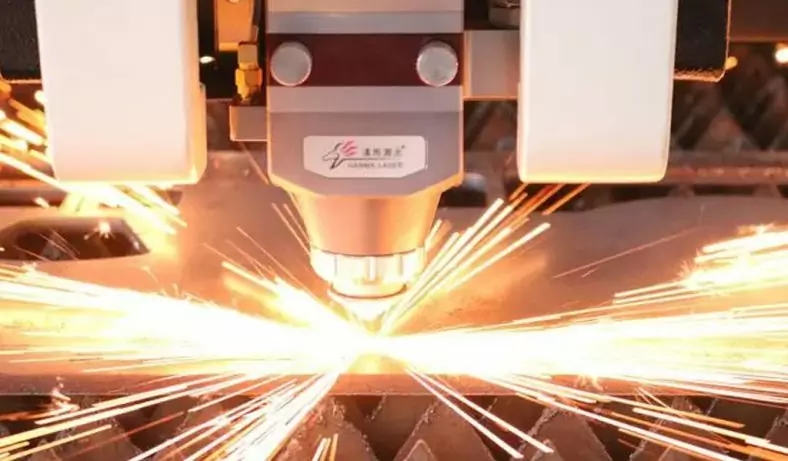
Copper Sheet Metal Fabrication
-
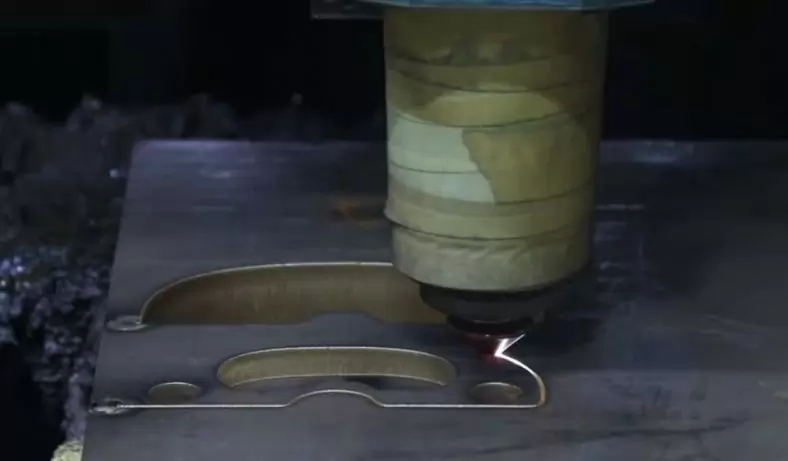
Brass Sheet Metal Fabrication
-
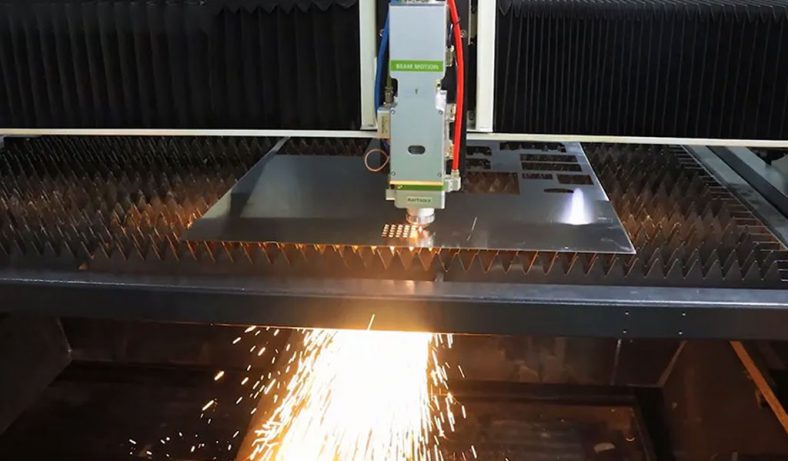
Steel Sheet Metal Fabrication
-
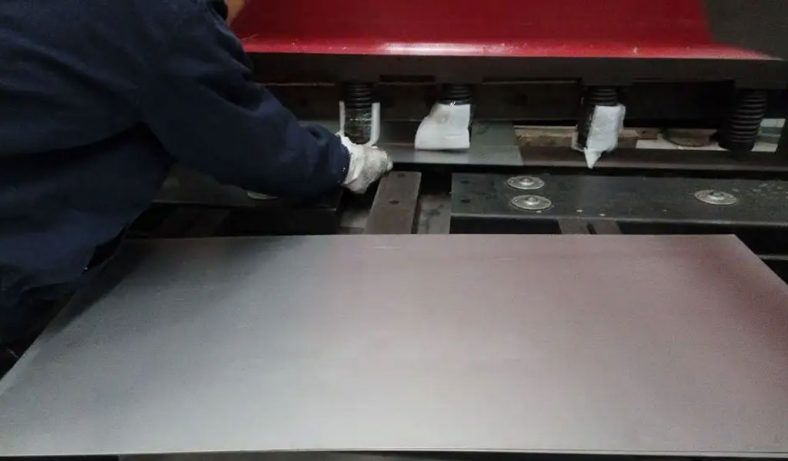
Titanium Sheet Metal Fabrication
-
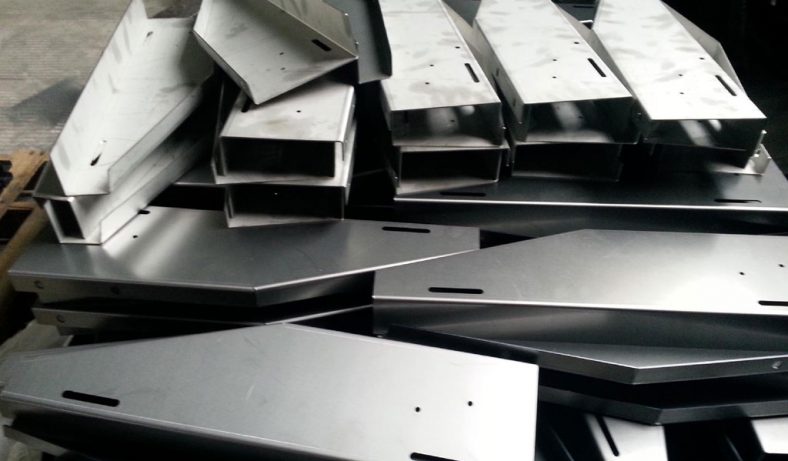
Galvanized Steel Sheet Metal Fabrication
-
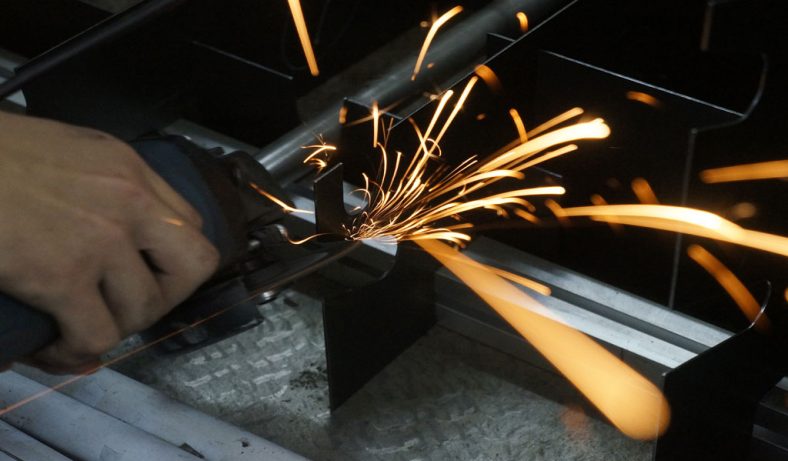
Mild Steel Sheet Metal Fabrication
-
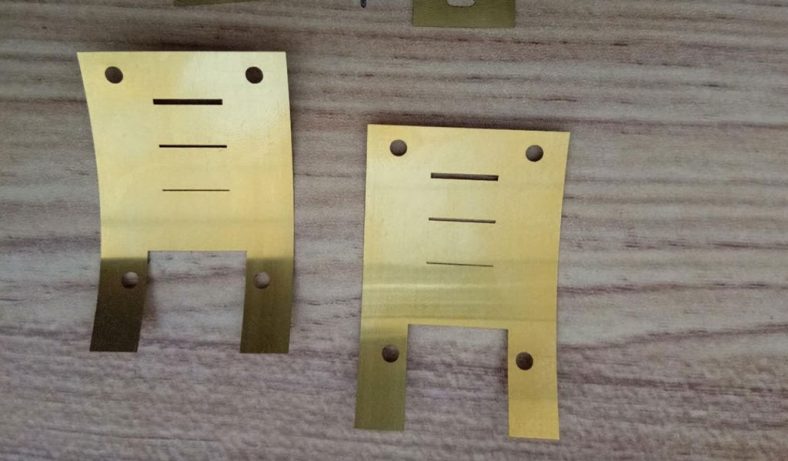
Bronze Sheet Metal Fabrication
Our Sheet Metal Fabrication Applications
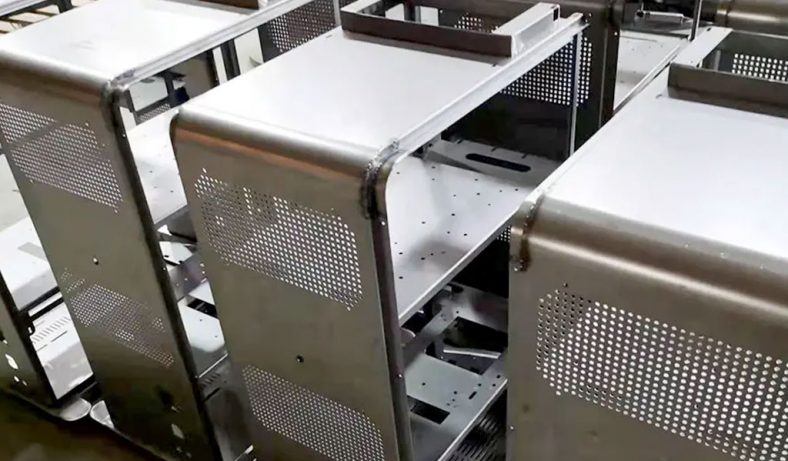
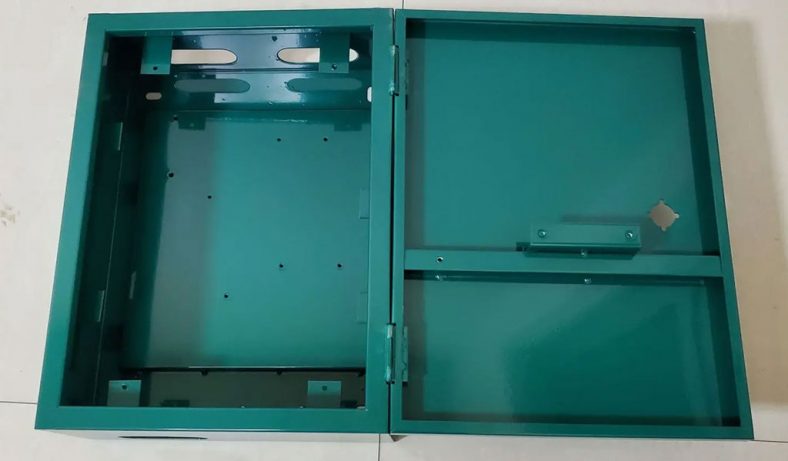
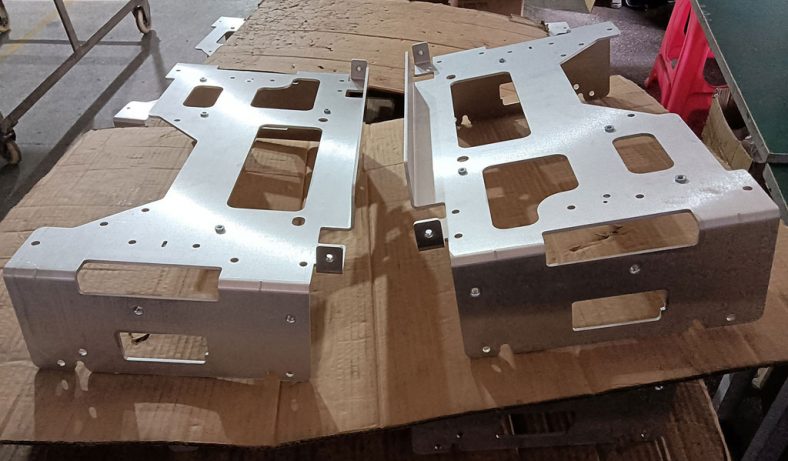
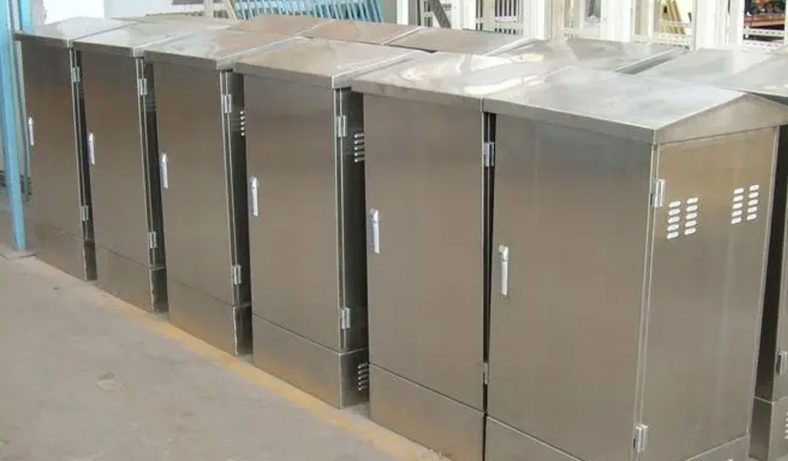
Be-Cu prototype offers custom sheet metal fabrication for creating structures, machines, and parts that includes:
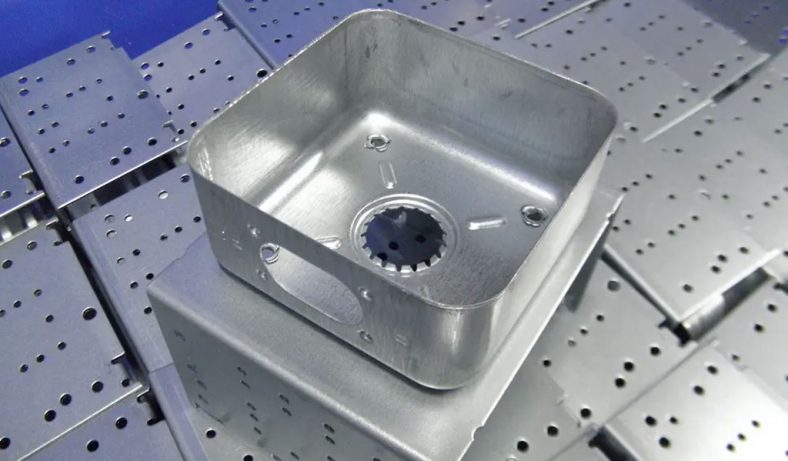
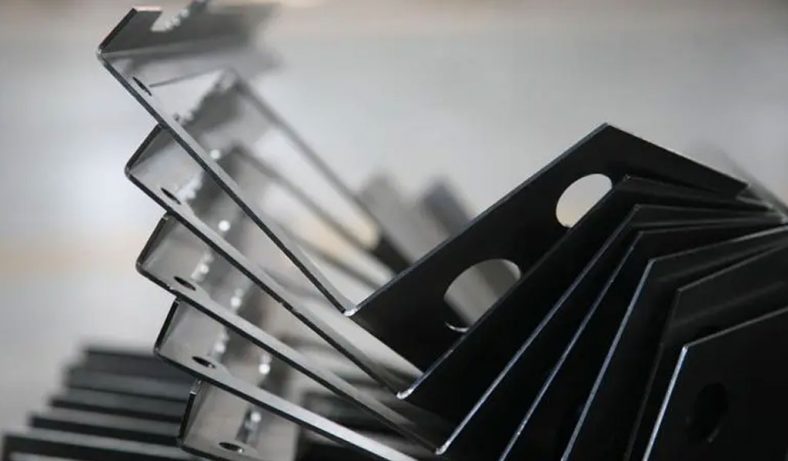
Our Case Studies Gallery Of Sheet Metal Fabrication Parts
If you need custom Sheet Metal Fabrication parts in China from a trusted supplier, look no further. Professional service from 10 to 100000+ parts,Whether you want a small series production or large quantities,Be-Cu Prototype scale precision Sheet Metal Fabrication services according to our customers needs, including pipe,plate and tube cutting. Contact us to see how we can help you! Get a quote today!
-
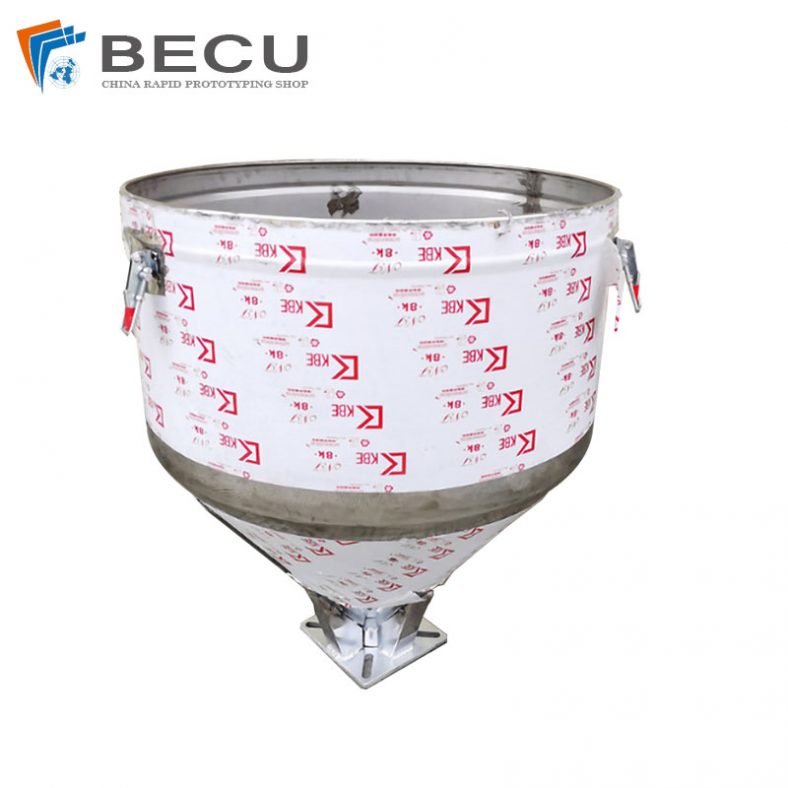
Sheet Metal Fabrication Injection Molding Machine Hopper
-
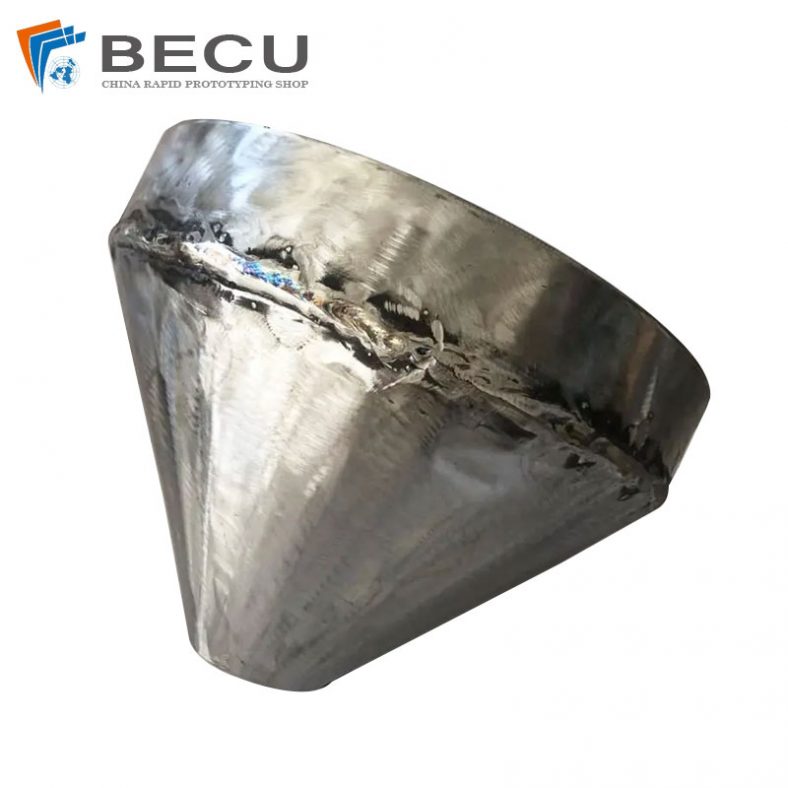
Sheet Metal Fabrication Funnel For Agricultural Machinery
-
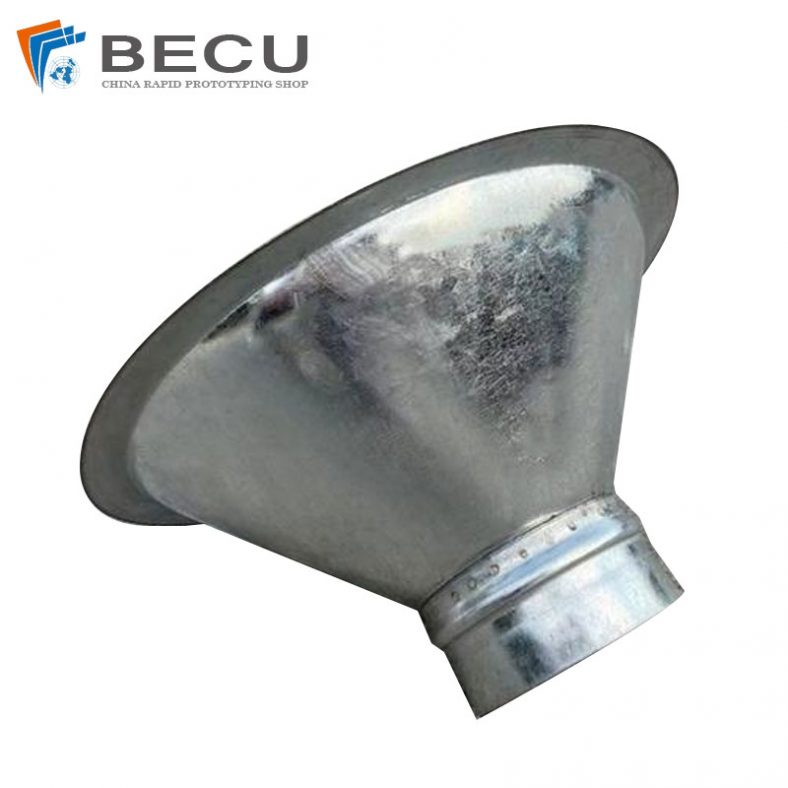
Sheet Metal Fabrication Galvanized Spiral Air Duct
-
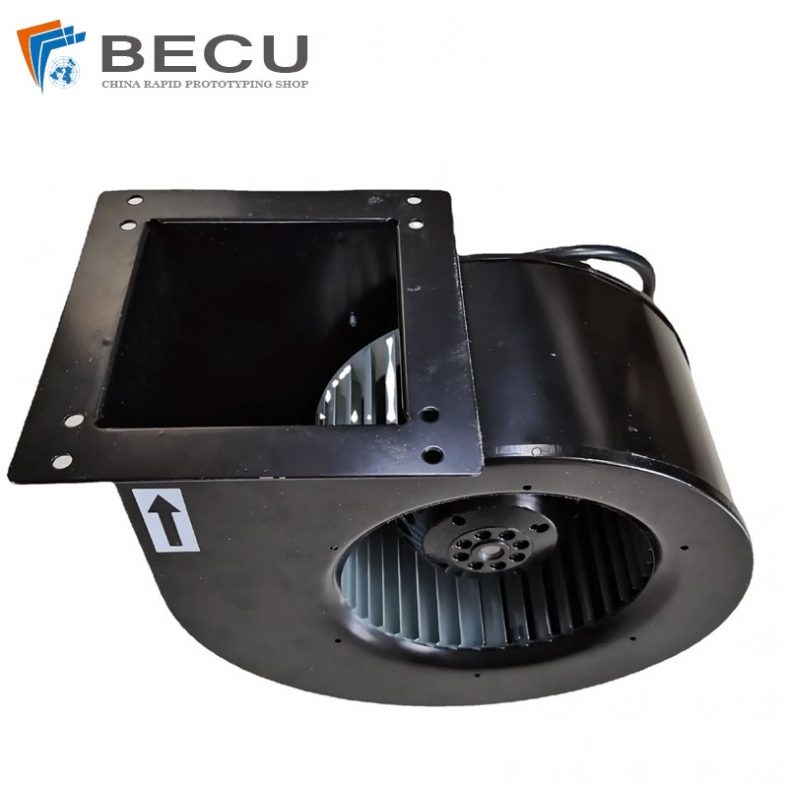
PCS Fan Ductwork Sheet Metal Housing
-
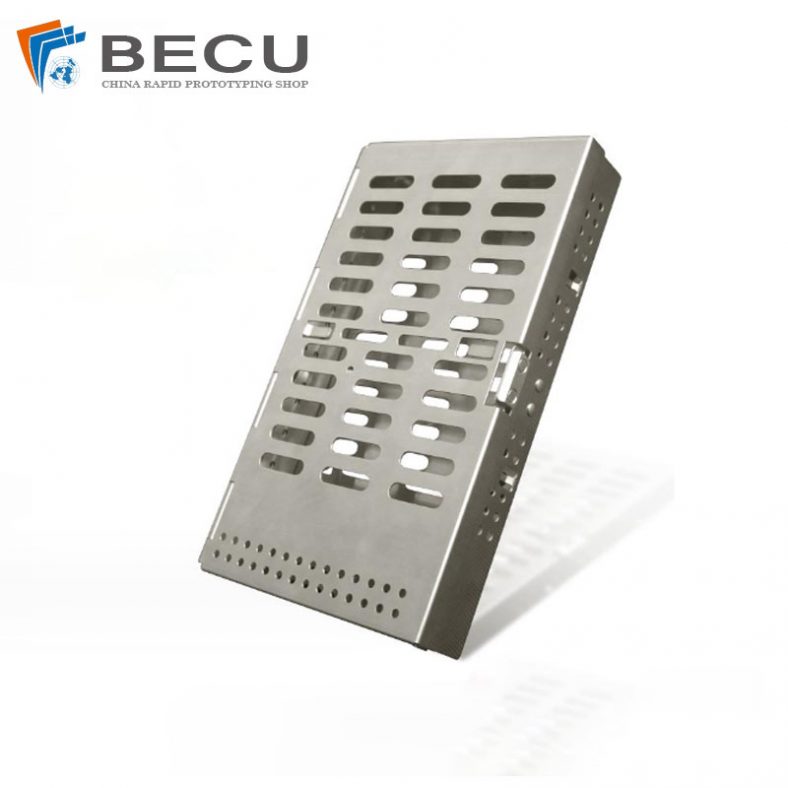
Custom Sheet Metal Surgical Instrument Sterilization Box For Beauty Salon
-
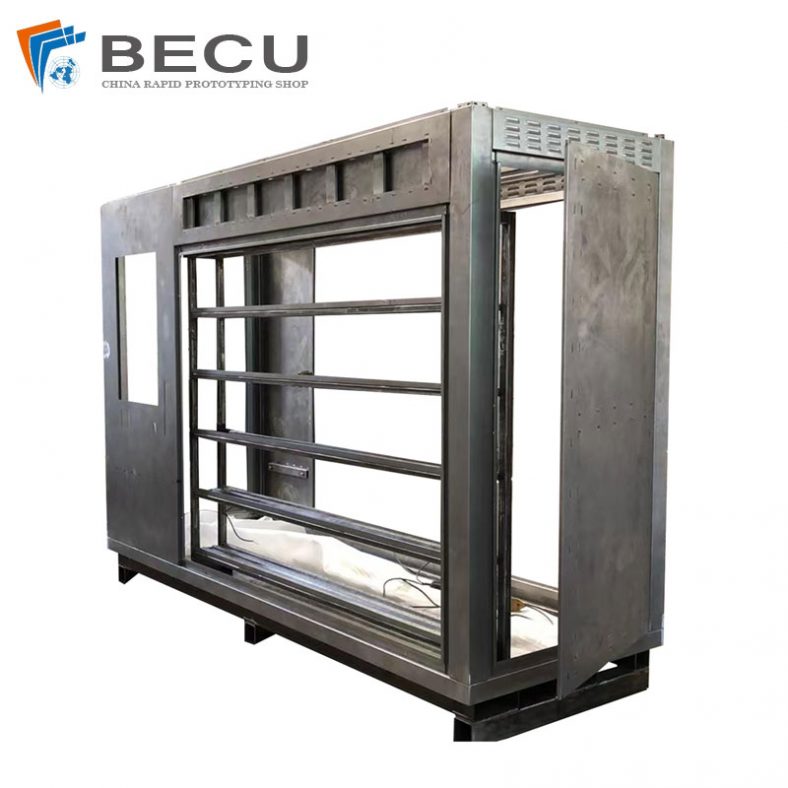
Precision Fabrication Green Energy EV Charging Station Cabinet
-
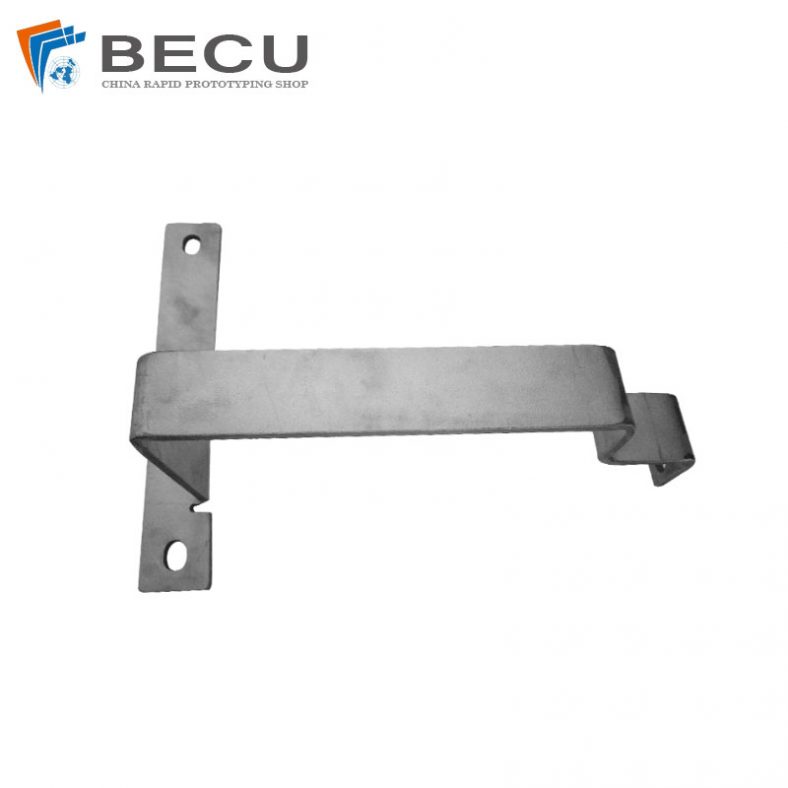
TA1TA2 Alloy Sheet Metal Manufacturing Machinery Support Parts
-
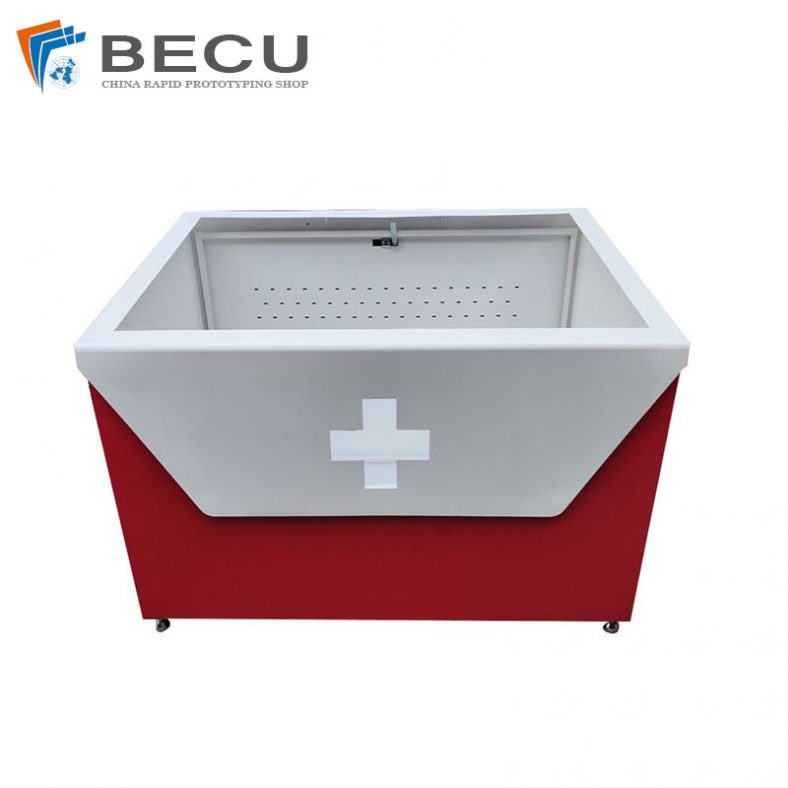
Sheet Metal Fabrication Aluminum 5052 Medical Box For Fire Fighting