
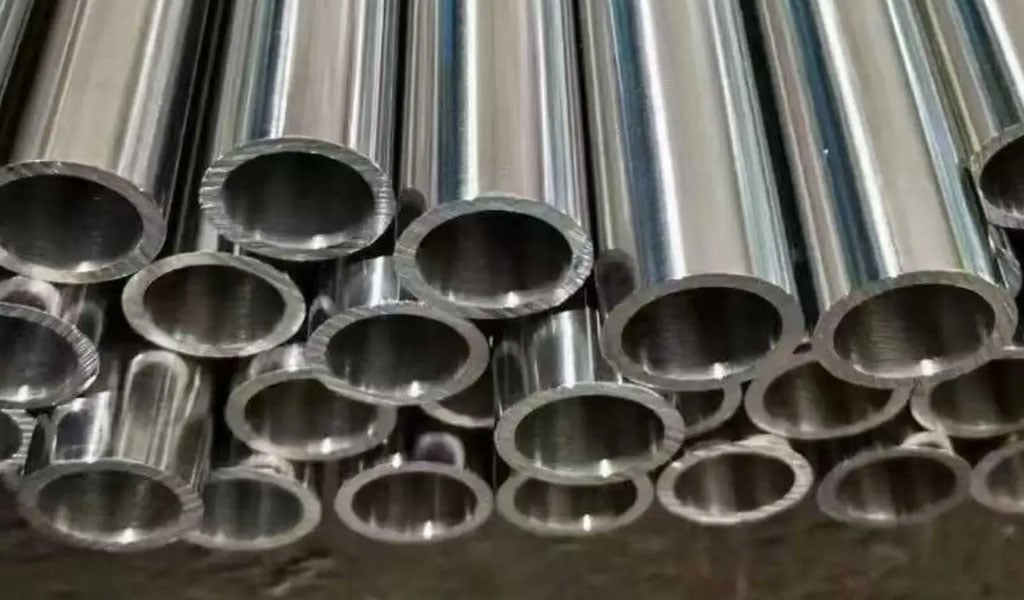
In the realm of high-performance cutlery, the choice of steel profoundly influences a blade’s functionality, durability, and suitability for specific applications. Among the myriad of steel alloys available, Crucible Industries’ CPM (Crucible Particle Metallurgy) steels—S30V, S90V, and S110V—stand out as premium martensitic stainless steels widely adopted in the knife-making industry.
These steels, developed through advanced powder metallurgy techniques, are engineered to balance hardness, toughness, corrosion resistance, and edge retention, catering to both professional and recreational users.
This article provides a comprehensive analysis of S30V, S90V, and S110V, exploring their chemical compositions, hardness, mechanical properties, equivalent steels, and price differences. By delving into their metallurgical foundations, practical performance, and economic considerations, this article aims to serve as a definitive resource for knife enthusiasts, manufacturers, and metallurgists.
Background and Development
Crucible Industries, a leading American steel manufacturer, pioneered the development of CPM steels to address the limitations of conventional steel production methods. Traditional ingot casting often results in segregation of alloying elements, leading to inconsistent microstructures and reduced performance. The CPM process, introduced in the late 20th century, involves gas atomization of molten steel into fine particles, which are then consolidated under high pressure and temperature. This technique produces a uniform microstructure with finely distributed carbides, enhancing toughness, wear resistance, and grindability.
S30V, S90V, and S110V are part of Crucible’s SxxV series, a family of martensitic stainless steels designed specifically for high-end cutlery and industrial applications. Each steel was developed to meet distinct performance criteria, building on the successes and lessons of its predecessors.
1.2.1. S30V Development
Introduced in 2001, CPM S30V was a collaborative effort between Crucible Industries and renowned knifemaker Chris Reeve. The goal was to create a stainless steel that surpassed the performance of existing alloys like 440C and BG42 in terms of toughness, edge retention, and corrosion resistance. S30V was designed to be versatile, suitable for both everyday carry (EDC) knives and premium kitchen cutlery, with a composition optimized for ease of heat treatment and balanced properties.
1.2.2. S90V Development
CPM S90V, originally named CPM 420V, was patented around 1996. It was developed to push the boundaries of wear resistance and edge retention while maintaining adequate corrosion resistance. By reducing chromium content compared to earlier steels like S60V and increasing vanadium, S90V achieved a higher proportion of hard vanadium carbides, making it a premium choice for high-end knives requiring exceptional edge-holding capabilities.
1.2.3. S110V Development
Introduced around 2006, CPM S110V represents the pinnacle of Crucible’s stainless steel technology. Building on the foundation of S90V, S110V incorporates niobium and additional molybdenum to enhance corrosion resistance and edge retention further. It was designed for applications where maximum wear resistance and corrosion resistance are critical, though at the cost of reduced toughness compared to its predecessors.
Chemical Composition
The performance of S30V, S90V, and S110V is fundamentally tied to their chemical compositions, which dictate the formation of carbides, hardness, and corrosion resistance. Below is a detailed breakdown of their alloying elements, followed by a comparative table.
2.1. S30V Composition
S30V is a martensitic stainless steel with a composition optimized for balanced performance. Its key alloying elements include:
- Carbon (C): 1.45% – Enhances hardness and wear resistance by forming carbides with vanadium and chromium. However, excessive carbon can reduce toughness.
- Chromium (Cr): 14.00% – Provides corrosion resistance and contributes to hardness through chromium carbide formation. A chromium content above 10–12% classifies S30V as stainless steel.
- Vanadium (V): 4.00% – Forms hard vanadium carbides, which significantly improve wear resistance and edge retention.
- Molybdenum (Mo): 2.00% – Enhances corrosion resistance, particularly against pitting, and improves hardenability, allowing for slower quenching during heat treatment.
- Nitrogen (N): 0.20% – Added intentionally to improve corrosion resistance and increase vanadium carbide formation while reducing chromium carbide content.
- Manganese (Mn): 0.50% – Increases hardness and brittleness, though used in small quantities to avoid excessive brittleness.
- Silicon (Si): 0.50% – Enhances strength and heat resistance.
- Phosphorus (P): 0.03% – Improves strength but is kept low to avoid embrittlement.
- Sulfur (S): 0.03% – Enhances machinability but is minimized to prevent negative effects on toughness.
2.2. S90V Composition
S90V is formulated for superior wear resistance and edge retention, with a higher carbon and vanadium content than S30V. Its composition includes:
- Carbon (C): 2.30% – Significantly higher than S30V, promoting the formation of hard carbides for exceptional wear resistance.
- Chromium (Cr): 14.00% – Matches S30V for corrosion resistance, ensuring stainless properties.
- Vanadium (V): 9.00% – More than double that of S30V, leading to a higher volume of vanadium carbides, which are harder than chromium carbides and aluminum oxide abrasives.
- Molybdenum (Mo): 1.00% – Lower than S30V, but sufficient to enhance corrosion resistance and machinability.
- Manganese (Mn): 0.50% – Similar to S30V, contributing to hardness and brittleness.
- Silicon (Si): 0.50% – Enhances strength and heat resistance.
- Phosphorus (P): 0.03% – Kept low to maintain toughness.
- Sulfur (S): 0.03% – Improves machinability in small quantities.
2.3. S110V Composition
S110V is engineered for maximum edge retention and corrosion resistance, incorporating niobium and higher molybdenum content. Its composition is:
- Carbon (C): 2.80% – The highest among the three, maximizing carbide formation for wear resistance.
- Chromium (Cr): 15.25% – Slightly higher than S30V and S90V, enhancing corrosion resistance.
- Vanadium (V): 9.00% – Equal to S90V, ensuring exceptional wear resistance through vanadium carbides.
- Niobium (Nb): 3.00% – Forms niobium carbides, which are extremely hard and contribute to wear resistance, while also improving corrosion resistance by freeing up chromium.
- Molybdenum (Mo): 2.25% – Higher than S90V, further improving pitting resistance and hardenability.
- Cobalt (Co): 2.50% – Enhances the performance of other carbide-forming elements and contributes to hardness.
- Manganese (Mn): 0.50% – Consistent with S30V and S90V.
- Silicon (Si): 0.50% – Maintains strength and heat resistance.
- Phosphorus (P): 0.03% – Minimized to avoid embrittlement.
- Sulfur (S): 0.03% – Kept low for toughness.
2.4. Comparative Composition Table
| Element | S30V (%) | S90V (%) | S110V (%) |
|---|---|---|---|
| Carbon (C) | 1.45 | 2.30 | 2.80 |
| Chromium (Cr) | 14.00 | 14.00 | 15.25 |
| Vanadium (V) | 4.00 | 9.00 | 9.00 |
| Molybdenum (Mo) | 2.00 | 1.00 | 2.25 |
| Niobium (Nb) | – | – | 3.00 |
| Cobalt (Co) | – | – | 2.50 |
| Manganese (Mn) | 0.50 | 0.50 | 0.50 |
| Silicon (Si) | 0.50 | 0.50 | 0.50 |
| Phosphorus (P) | 0.03 | 0.03 | 0.03 |
| Sulfur (S) | 0.03 | 0.03 | 0.03 |
| Nitrogen (N) | 0.20 | – | – |
Hardness and Heat Treatment
3.1. Hardness Overview
Hardness, measured on the Rockwell C scale (HRC), is a critical factor in determining a steel’s ability to retain a sharp edge and resist wear. However, higher hardness often comes at the expense of toughness, making heat treatment a crucial step in optimizing performance.
3.2. S30V Hardness
S30V typically achieves a hardness of 58–61 HRC in knife applications, though it can reach up to 64 HRC with optimal heat treatment. Its composition, including 2% molybdenum, enhances hardenability, allowing for air or oil quenching to achieve high hardness. The recommended heat treatment involves:
- Austenitizing: 1900–2000°F (1035–1095°C) for 15–30 minutes.
- Quenching: Air or positive pressure quench to below 125°F (50°C), or interrupted oil quench to 1000°F (540°C) followed by air cooling.
- Tempering: Double temper at 400–750°F (200–400°C) for 2 hours each, with optional cryogenic treatment to minimize retained austenite.
This results in a fine carbide structure and a balance of hardness and toughness suitable for versatile applications.
3.3. S90V Hardness
S90V is slightly softer, with a typical hardness range of 56–59 HRC, despite its higher carbon content. This is due to the high volume of vanadium carbides, which prioritize wear resistance over maximum hardness. The recommended heat treatment includes:
- Austenitizing: 1950–2050°F (1065–1120°C) for 15–20 minutes.
- Quenching: Air or oil quench to below 125°F (50°C).
- Tempering: Double temper at 400–600°F (200–315°C) for 2 hours each, often with cryogenic treatment to maximize hardness.
The lower hardness compared to S30V reflects a trade-off for superior edge retention and wear resistance.
3.4. S110V Hardness
S110V achieves a hardness of 59–63.5 HRC, reflecting its high carbon and niobium content. The addition of cobalt and niobium enhances the formation of hard carbides, contributing to its high hardness. The heat treatment process is:
- Austenitizing: 2050–2150°F (1120–1175°C) for 15–20 minutes.
- Quenching: Air or oil quench with a cryogenic step to reduce retained austenite.
- Tempering: Double temper at 500–600°F (260–315°C) for 2 hours each.
The high hardness makes S110V exceptionally wear-resistant but more brittle than S30V or S90V.
3.5. Comparative Hardness Table
| Steel | Typical Hardness (HRC) | Maximum Hardness (HRC) |
|---|---|---|
| S30V | 58–61 | 64 |
| S90V | 56–59 | 59 |
| S110V | 59–63.5 | 63.5 |
Mechanical Properties
4.1. Edge Retention
Edge retention, the ability of a blade to maintain sharpness during use, is influenced by hardness, carbide type, and carbide volume. S110V offers the best edge retention due to its high carbon, vanadium, and niobium content, followed closely by S90V. S30V, while excellent, has lower edge retention due to its reduced vanadium content.
- S30V: Provides strong edge retention, outperforming steels like 440C, 154CM, and Elmax, but falls short of S90V and S110V. CATRA (Cutlery & Allied Trades Research Association) testing shows S30V retains an edge longer than S35VN but less than S90V.
- S90V: Known for exceptional edge retention, often considered among the best stainless steels. Its high vanadium carbide content (9% V) ensures prolonged sharpness, making it ideal for professional applications.
- S110V: Offers the highest edge retention among the three, attributed to its combination of vanadium and niobium carbides. It is often described as “the pinnacle of super steels” for its ability to hold an edge under demanding conditions.
4.2. Toughness
Toughness measures a steel’s ability to resist chipping, cracking, or breaking under impact or stress. Higher carbide volumes typically reduce toughness, making S30V the toughest of the three.
- S30V: Offers decent toughness due to its lower carbon and vanadium content, making it suitable for EDC and general-purpose knives. It withstands moderate impact better than S90V or S110V.
- S90V: Has lower toughness than S30V due to its high carbide volume, which introduces brittleness. Its toughness is comparable to 440C or VG-10, adequate for most cutting tasks but not for heavy impact.
- S110V: Exhibits the lowest toughness among the three due to its high carbon and niobium content, making it prone to chipping under heavy use. It is best suited for precision cutting rather than heavy-duty tasks.
4.3. Corrosion Resistance
Corrosion resistance is critical for knives used in humid or corrosive environments. All three steels are stainless, with chromium content above 10–12%, but differences in composition affect performance.
- S30V: Offers excellent corrosion resistance due to 14% chromium and 2% molybdenum, with nitrogen additions further enhancing pitting resistance. It performs well in wet environments, such as fishing or camping.
- S90V: Has similar corrosion resistance to S30V, with 14% chromium, but its lower molybdenum content (1%) slightly reduces pitting resistance. It is adequate for most knife applications but less resistant than S110V.
- S110V: Provides the best corrosion resistance, thanks to 15.25% chromium, 2.25% molybdenum, and 3% niobium, which frees up chromium for corrosion resistance by forming niobium carbides instead of chromium carbides.
4.4. Ease of Sharpening
Ease of sharpening is inversely related to wear resistance and carbide hardness. Harder carbides, like vanadium and niobium carbides, require abrasives such as diamond or CBN (cubic boron nitride) for effective sharpening.
- S30V: Moderately difficult to sharpen due to its vanadium carbides but easier than S90V or S110V. It is suitable for users with basic sharpening skills and standard sharpening stones.
- S90V: Very difficult to sharpen due to its high vanadium carbide content, which is harder than aluminum oxide abrasives. Diamond or CBN stones are recommended, requiring significant time and effort.
- S110V: The most challenging to sharpen, as its vanadium and niobium carbides are extremely hard. Sharpening requires specialized tools and patience, often described as “a nightmare” by users.
4.5. Comparative Properties Table
| Property | S30V | S90V | S110V |
|---|---|---|---|
| Edge Retention | Good (outperforms 440C, 154CM) | Excellent (near top-tier) | Superior (best among stainless) |
| Toughness | Decent (better than S90V, S110V) | Moderate (comparable to 440C) | Low (prone to chipping) |
| Corrosion Resistance | Excellent (14% Cr, 2% Mo) | Good (14% Cr, 1% Mo) | Superior (15.25% Cr, 2.25% Mo) |
| Ease of Sharpening | Moderate | Very Difficult | Extremely Difficult |
Equivalent Steels
5.1. S30V Equivalents
S30V is often compared to other high-performance stainless steels with similar properties:
- CPM S35VN: A derivative of S30V with added niobium (0.5%) for improved toughness (15–20% higher than S30V) and similar edge retention and corrosion resistance. It is slightly easier to sharpen.
- CPM-154: Offers comparable corrosion resistance and toughness but lower edge retention due to reduced vanadium content.
- Elmax: A stainless steel with similar edge retention and corrosion resistance but slightly lower toughness.
- M390: Provides higher corrosion resistance and comparable edge retention but lower toughness than S30V.
5.2. S90V Equivalents
S90V’s high edge retention makes it comparable to other premium steels:
- CPM S110V: Its closest relative, offering slightly better edge retention and corrosion resistance but lower toughness.
- M398: A high-wear-resistance steel with similar edge retention but lower corrosion resistance.
- ZDP-189: A Japanese steel with exceptional hardness (up to 66 HRC) and edge retention but lower corrosion resistance due to high carbon content binding chromium.
- CPM S125V: Offers superior edge retention but reduced toughness and is less commonly used due to production challenges.
5.3. S110V Equivalents
S110V’s unique combination of niobium and high vanadium content makes it difficult to find exact equivalents, but similar steels include:
- CPM S125V: Slightly higher edge retention but lower corrosion resistance and toughness.
- M398: Comparable edge retention but lower corrosion resistance.
- Maxamet: A non-stainless high-speed steel with similar edge retention but significantly lower corrosion resistance.
- CPM MagnaCut: A newer steel with balanced properties, offering high corrosion resistance and toughness but slightly lower edge retention.
5.6. Comparative Equivalents Table
| Steel | Equivalent Steels | Notes |
|---|---|---|
| S30V | S35VN, CPM-154, Elmax, M390 | S35VN is tougher; M390 has better corrosion resistance |
| S90V | S110V, M398, ZDP-189, S125V | S110V is slightly better in edge retention; ZDP-189 is harder |
| S110V | S125V, M398, Maxamet, MagnaCut | S125V has superior edge retention; MagnaCut has better toughness |
Price Differences
6.1. Factors Influencing Price
The cost of knives made from S30V, S90V, and S110V is influenced by several factors:
- Raw Material Cost: Higher vanadium and niobium content in S90V and S110V increases production costs due to the expense of these elements and the complexity of the CPM process.
- Manufacturing Difficulty: S90V and S110V are harder to grind and machine due to their high carbide content, increasing labor and tool wear costs.
- Market Positioning: S90V and S110V are marketed as super steels, commanding premium prices for high-end knives.
- Availability: S30V is more widely available, reducing costs compared to the less common S90V and S110V.
6.2. Price Examples
Based on market data, knives made from these steels vary significantly in price:
- S30V: Commonly found in knives priced between $100–$200. For example, the Spyderco Native 5 with an S30V blade retails for approximately $129, while the Benchmade Mini Griptilian is around $160.
- S90V: Typically found in knives priced between $200–$400. The Benchmade Mini Bugout with an S90V blade is priced at around $288, reflecting the premium for its edge retention.
- S110V: Found in high-end knives priced between $250–$500 or more. The Spyderco Paramilitary 2 with an S110V blade is often priced above $300, due to its superior properties and production challenges.
6.3. Cost-Benefit Analysis
- S30V: Offers excellent value for recreational users, providing balanced performance at a lower cost. It is ideal for EDC knives, camping, and general-purpose use.
- S90V: Commands a higher price due to its exceptional edge retention, making it suitable for professional users or enthusiasts who prioritize long-lasting sharpness.
- S110V: The most expensive, justified by its unmatched edge retention and corrosion resistance. It is best for specialized applications where frequent sharpening is impractical.
6.4. Comparative Price Table
| Steel | Typical Knife Price Range | Example Knives (Approximate Price) |
|---|---|---|
| S30V | $100–$200 | Spyderco Native 5 ($129), Benchmade Mini Griptilian ($160) |
| S90V | $200–$400 | Benchmade Mini Bugout ($288), Spyderco Paramilitary 2 ($250) |
| S110V | $250–$500+ | Spyderco Paramilitary 2 ($300+), Kershaw Shallot ($80–$100, rare) |
Applications and Practical Considerations
7.1. S30V Applications
S30V’s balanced properties make it a versatile choice for:
- Everyday Carry (EDC) Knives: Its toughness and corrosion resistance suit daily tasks like cutting rope, opening packages, or food preparation.
- Outdoor Knives: Suitable for camping, fishing, and hunting due to its corrosion resistance and ease of sharpening.
- Kitchen Cutlery: Used in premium chef’s knives for its edge retention and resistance to acidic foods.
7.2. S90V Applications
S90V’s superior edge retention makes it ideal for:
- Professional Use: Preferred by chefs, hunters, and survivalists who need a blade that stays sharp through prolonged use.
- High-End Pocket Knives: Popular in premium EDC knives for enthusiasts who value performance over ease of sharpening.
- Specialized Cutlery: Used in applications requiring minimal maintenance, such as tactical or rescue knives.
7.3. S110V Applications
S110V is best suited for:
- Precision Cutting: Ideal for tasks requiring a razor-sharp edge, such as detailed carving or industrial cutting.
- Harsh Environments: Its superior corrosion resistance makes it suitable for marine or humid environments.
- Collectible Knives: Often used in limited-edition knives due to its premium status and cost.
7.4. Practical Considerations
- User Skill Level: S30V is recommended for beginners due to its ease of sharpening. S90V and S110V require advanced sharpening skills and tools.
- Use Case: S30V is ideal for general use, while S90V and S110V are better for specialized tasks requiring long-lasting sharpness.
- Maintenance: S90V and S110V require less frequent sharpening but demand diamond or CBN abrasives, increasing maintenance costs.
Advantages and Disadvantages
8.1. S30V
- Advantages:
- Balanced properties (hardness, toughness, corrosion resistance).
- Easier to sharpen than S90V or S110V.
- Cost-effective for premium performance.
- Disadvantages:
- Lower edge retention compared to S90V and S110V.
- Moderate toughness compared to non-stainless steels like CPM-3V.
8.2. S90V
- Advantages:
- Exceptional edge retention and wear resistance.
- Good corrosion resistance for a high-carbon steel.
- Suitable for professional and high-end applications.
- Disadvantages:
- Difficult to sharpen, requiring specialized abrasives.
- Lower toughness, prone to chipping under heavy use.
- Higher cost than S30V.
8.3. S110V
- Advantages:
- Unmatched edge retention among stainless steels.
- Superior corrosion resistance for harsh environments.
- Ideal for precision and specialized tasks.
- Disadvantages:
- Extremely difficult to sharpen, requiring advanced tools.
- Low toughness, susceptible to chipping.
- High cost, limiting accessibility.
Metallurgical Analysis
9.1. Carbide Formation
The performance differences between S30V, S90V, and S110V are largely due to the types and volumes of carbides formed:
- S30V: Contains a mix of vanadium and chromium carbides, with vanadium carbides providing superior wear resistance. The addition of nitrogen reduces chromium carbide formation, enhancing corrosion resistance.
- S90V: Has a higher volume of vanadium carbides due to its 9% vanadium content, significantly boosting edge retention and wear resistance. Reduced chromium carbides improve the toughness-edge retention balance.
- S110V: Incorporates niobium carbides alongside vanadium carbides, further enhancing wear resistance. Niobium’s strong carbide-forming tendency at high temperatures ensures fine, hard carbides, but increases brittleness.
9.2. Microstructure
The CPM process results in a fine, uniform microstructure for all three steels, reducing defects and improving toughness compared to conventional steels. S30V’s lower carbide volume results in a finer grain structure, enhancing toughness. S90V and S110V, with higher carbide volumes, have denser carbide distributions, prioritizing wear resistance.
9.3. Heat Treatment Effects
Proper heat treatment is critical to achieving the desired balance of properties. S30V’s higher molybdenum content improves hardenability, allowing for consistent hardness with simpler quenching methods. S90V and S110V require precise heat treatment, including cryogenic steps, to minimize retained austenite and maximize hardness.
Conclusion:User Perspectives and Market Trends
The knife industry has seen a shift toward premium steels like S90V and S110V in high-end and custom knives, driven by demand for performance and exclusivity.
However, S30V remains a dominant choice in mid-range premium knives due to its cost-effectiveness and versatility. Brands like Spyderco, Benchmade, and Zero Tolerance frequently use these steels, with S110V reserved for limited-edition models.
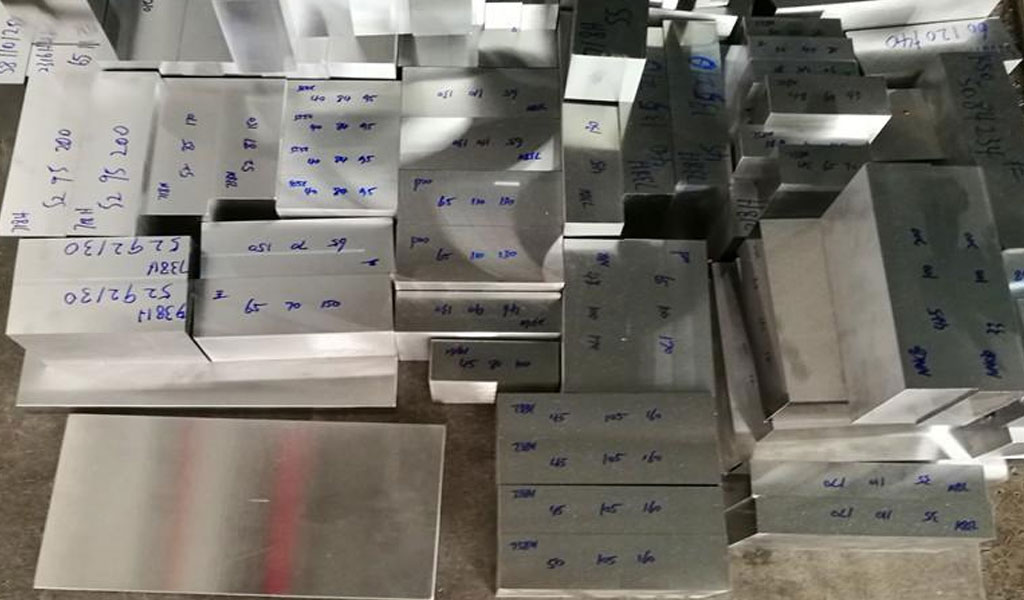
- S30V: Praised for its versatility and ease of maintenance, S30V is a favorite among EDC users and casual knife enthusiasts. Its affordability and balanced performance make it a staple in brands like Spyderco and Benchmade.
- S90V: Valued by professionals and collectors for its long-lasting sharpness, but users often note the sharpening challenge as a drawback. It is seen as a “super steel” for those willing to invest in maintenance.
- S110V: Considered the ultimate choice for edge retention, but its brittleness and sharpening difficulty limit its appeal to specialized users. Enthusiasts often describe it as “overkill” for everyday tasks.
CPM S30V, S90V, and S110V represent the pinnacle of stainless steel technology for cutlery, each offering distinct advantages tailored to specific needs. S30V provides a balanced, cost-effective option for everyday use, with excellent corrosion resistance and moderate ease of sharpening. S90V excels in edge retention and wear resistance, making it ideal for professional applications where sharpness is paramount. S110V pushes the boundaries of edge retention and corrosion resistance, but its brittleness and sharpening difficulty make it best suited for specialized tasks. By understanding their compositions, hardness, properties, equivalents, and price differences, users can make informed decisions based on their priorities, whether for EDC, professional use, or collectible knives.
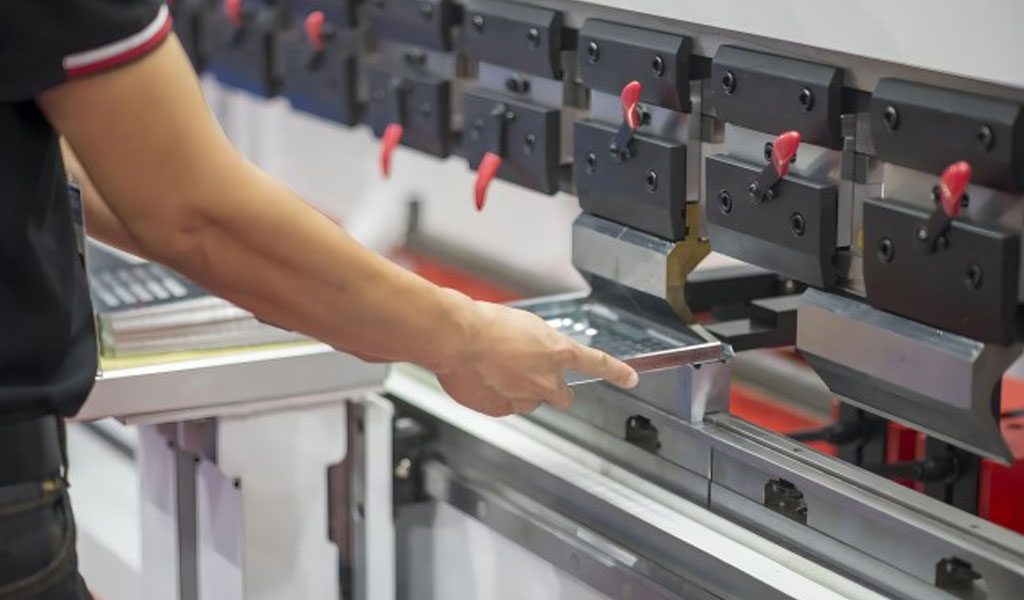
China Sheet Metal Fabrication Company
Sheet fabrication services for mild steel, high strength low alloy (HSLA) steel, cold/hot rolled steel, galvanized steel, stainless steel, aluminum, copper and brass. Capable of fabricating parts up to 12 ft. length and +/-0.001 in. tolerance. Various capabilities include contract manufacturing,custom stamping,edge rolling, forming,top laser cutting, roll bending and welding. Finishing and secondary services such as hardware installation, tapping, deburring, cleaning, heat treating, plating, anodizing and painting available. Sheet Metal Prototype and low to high volume production runs offered.
Suitable for commercial/residential architectural, aluminum brake shape parts, wall panel systems, brackets, general flashings, rails, call button plates and ship building component parts.If you want a specific material to be used in the sheet metal fabrication process, don’t hesitate to contact us!
-
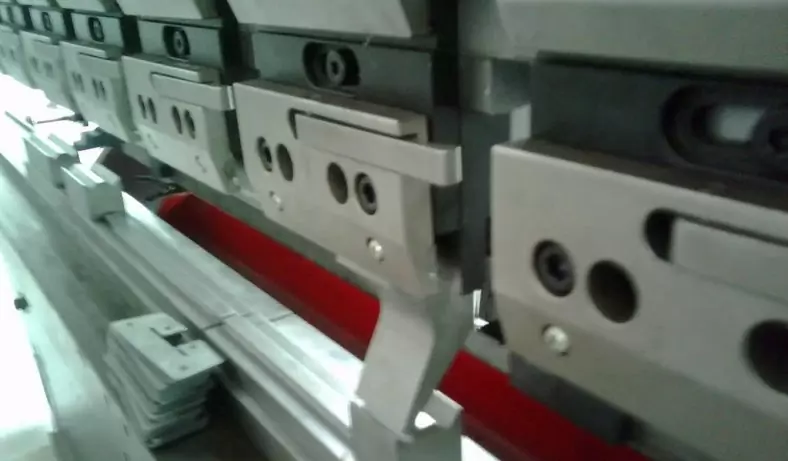
Stainless Steel Sheet Metal Fabrication
-
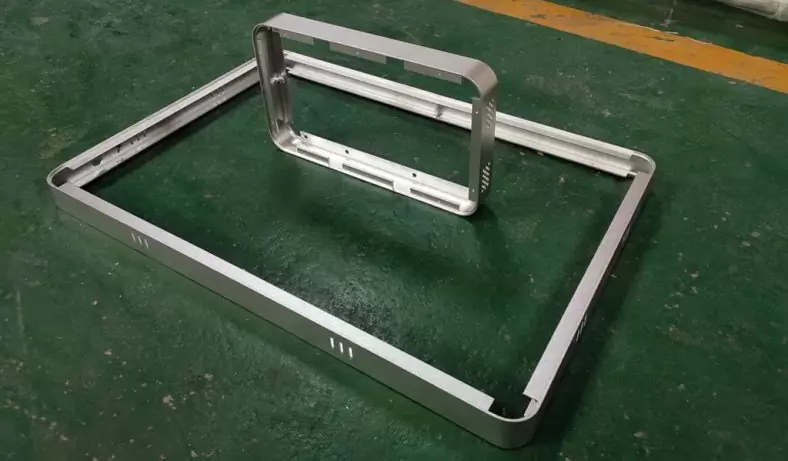
Aluminum Sheet Metal Fabrication
-
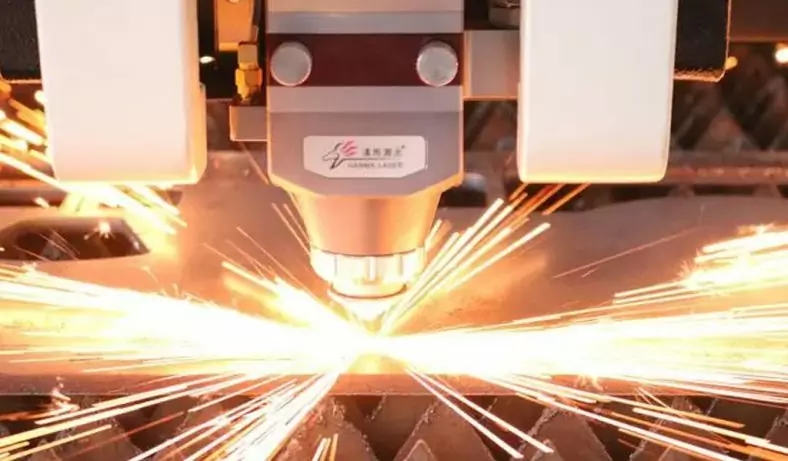
Copper Sheet Metal Fabrication
-
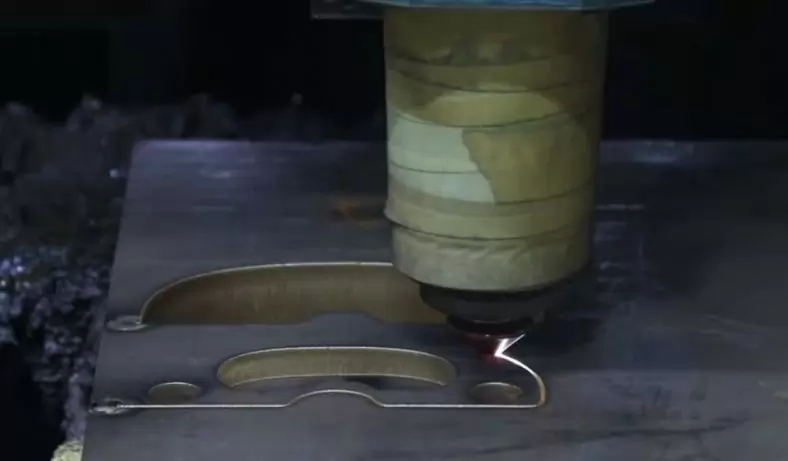
Brass Sheet Metal Fabrication
-
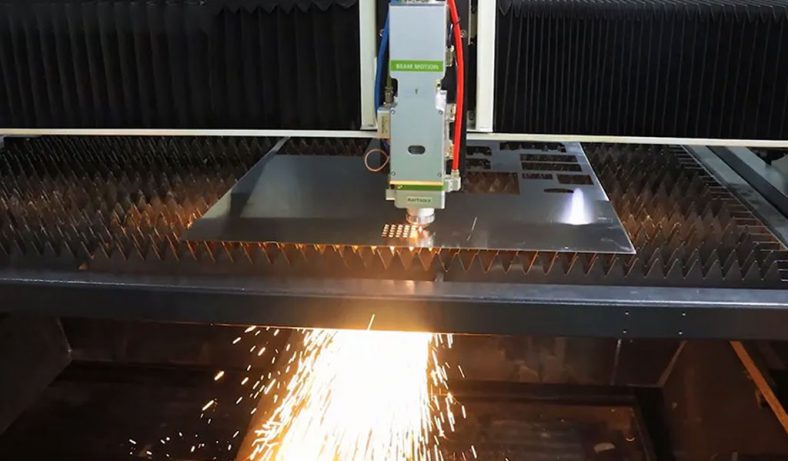
Steel Sheet Metal Fabrication
-
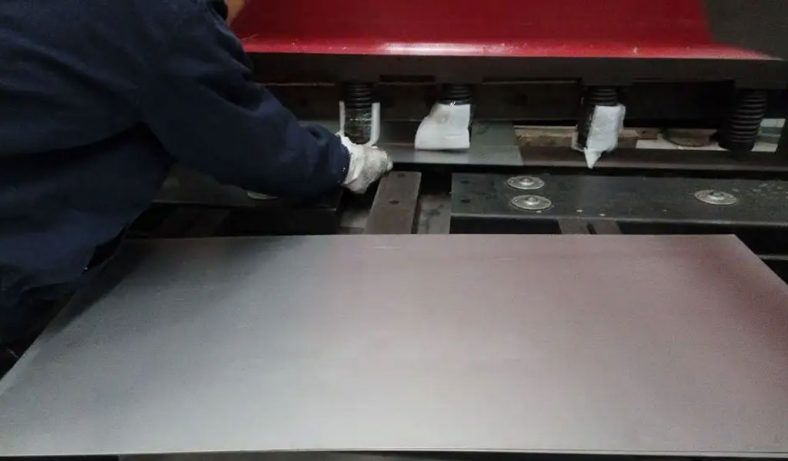
Titanium Sheet Metal Fabrication
-
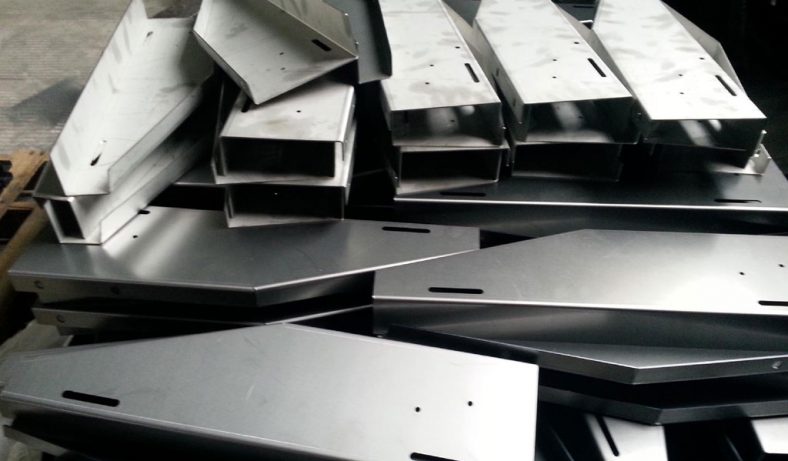
Galvanized Steel Sheet Metal Fabrication
-
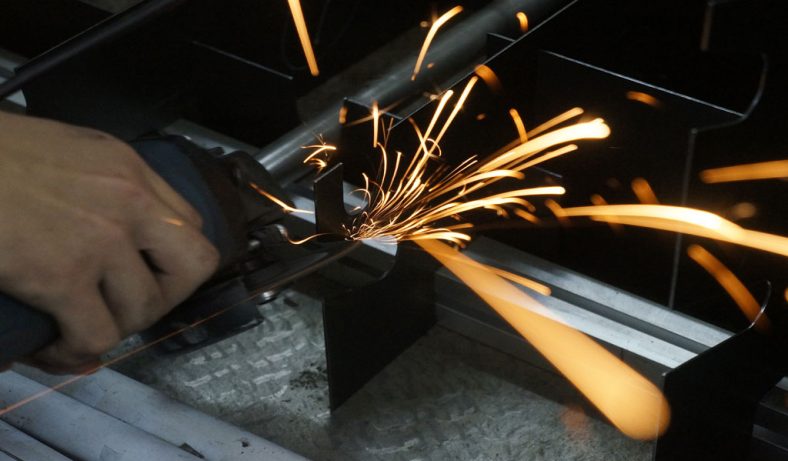
Mild Steel Sheet Metal Fabrication
-
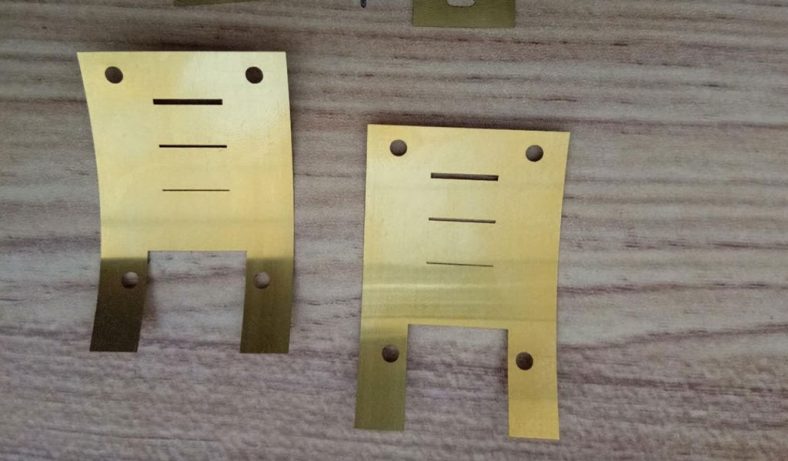
Bronze Sheet Metal Fabrication
Our Sheet Metal Fabrication Applications
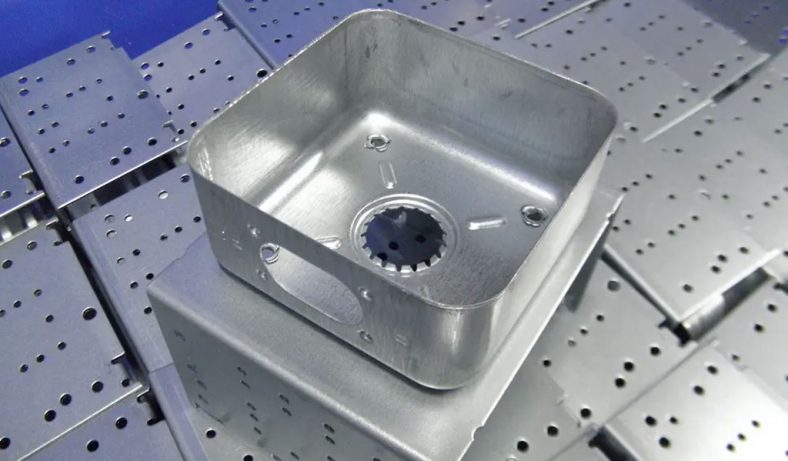
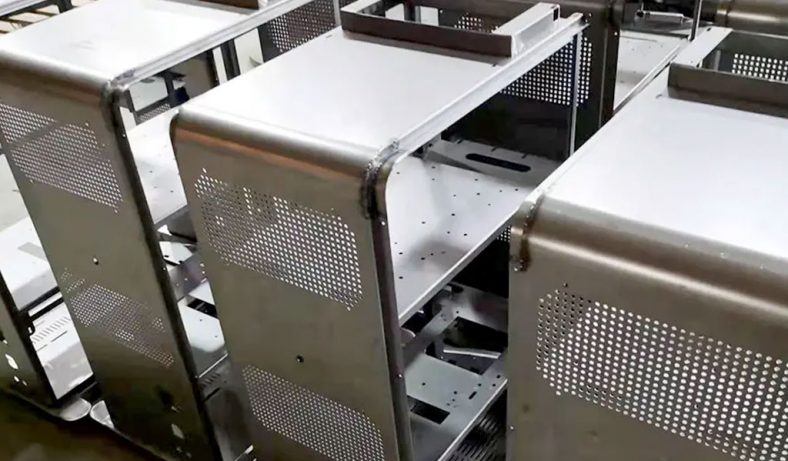
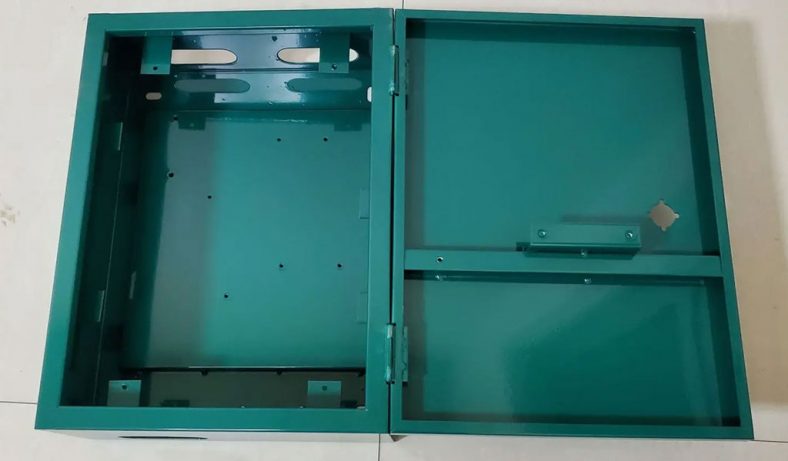
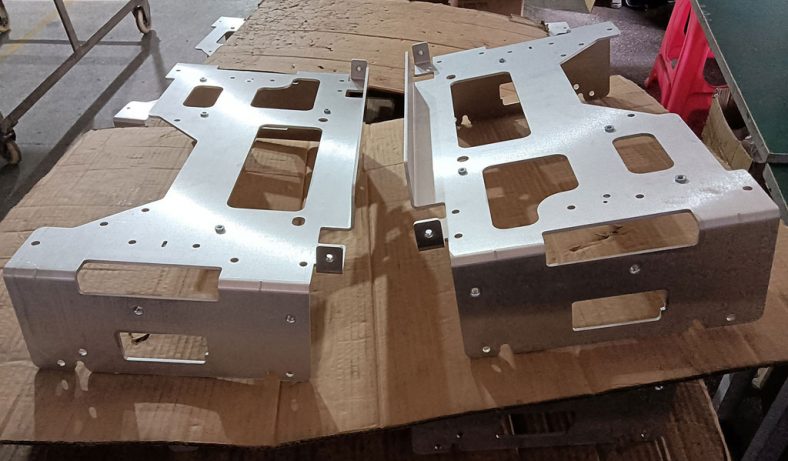
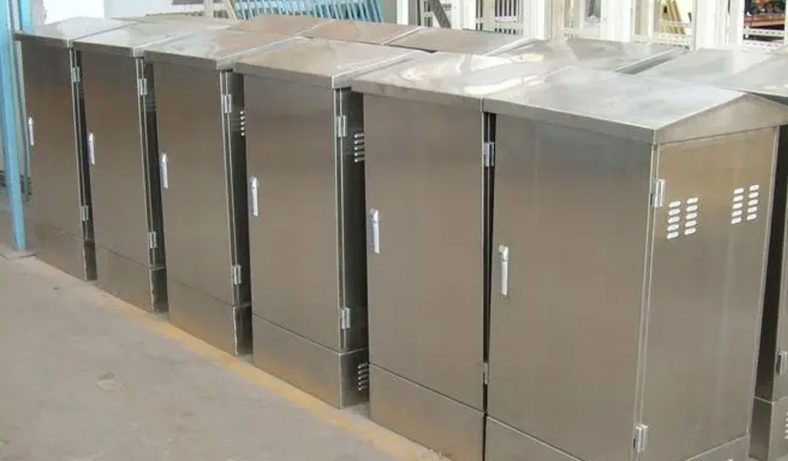
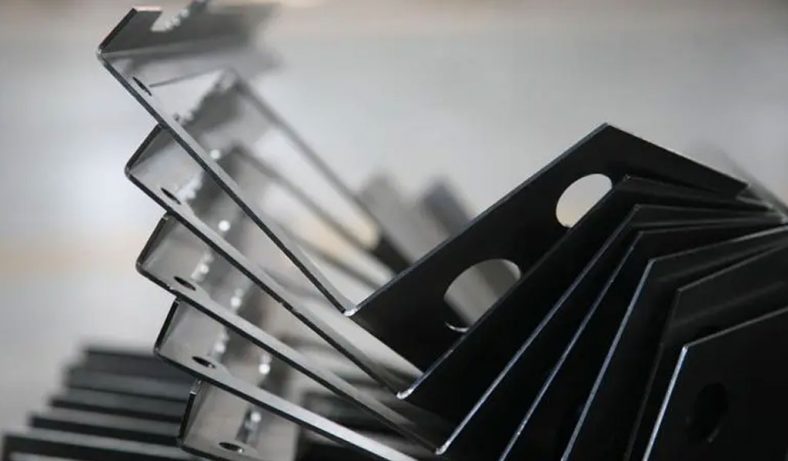
Be-Cu prototype offers custom sheet metal fabrication for creating structures, machines, and parts that includes:
Our Case Studies Gallery Of Sheet Metal Fabrication Parts
If you need custom Sheet Metal Fabrication parts in China from a trusted supplier, look no further. Professional service from 10 to 100000+ parts,Whether you want a small series production or large quantities,Be-Cu Prototype scale precision Sheet Metal Fabrication services according to our customers needs, including pipe,plate and tube cutting. Contact us to see how we can help you! Get a quote today!
-
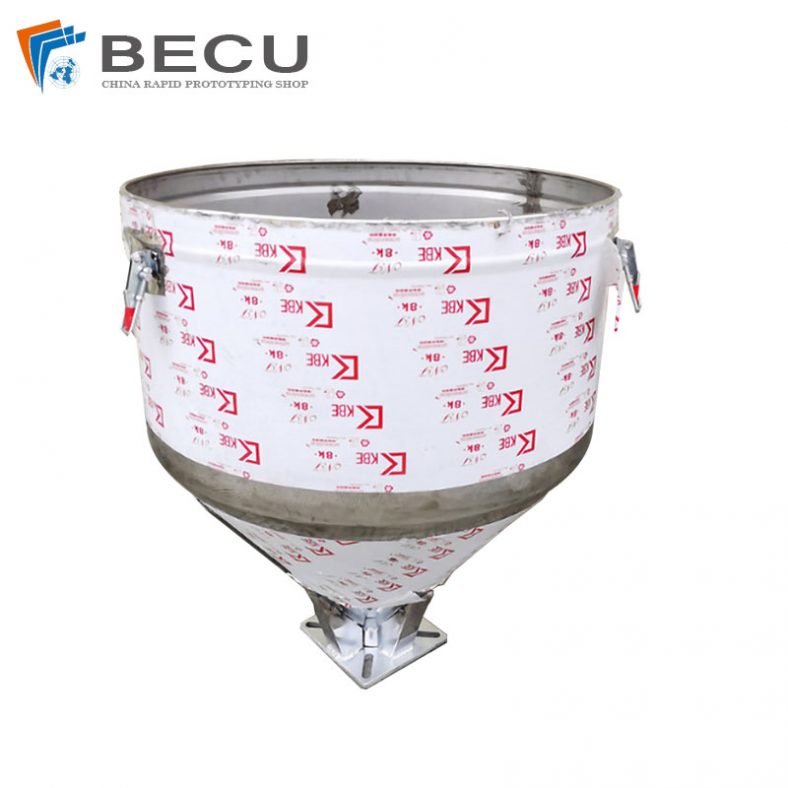
Sheet Metal Fabrication Injection Molding Machine Hopper
-
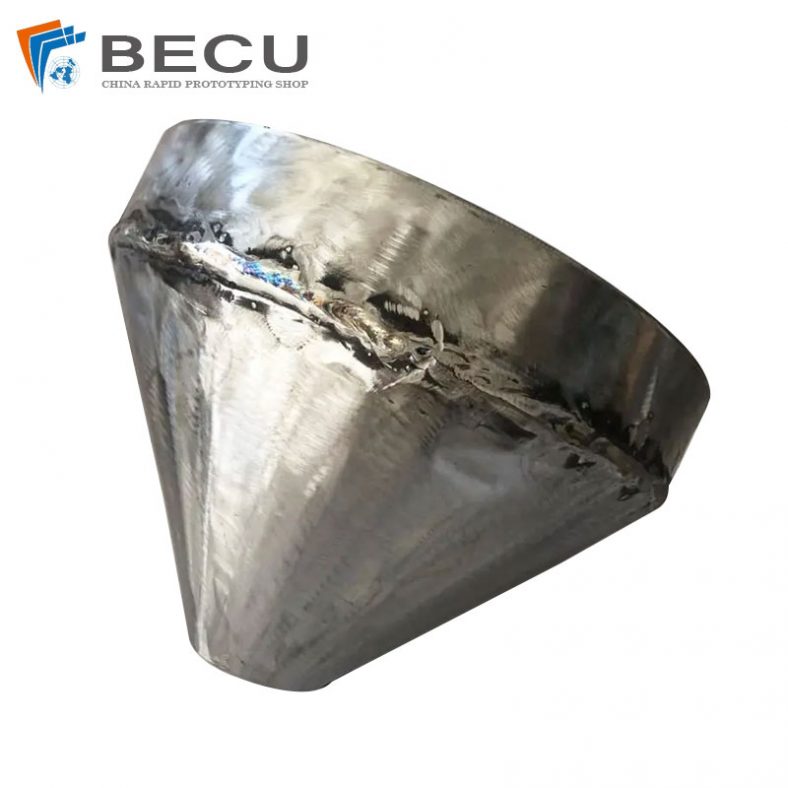
Sheet Metal Fabrication Funnel For Agricultural Machinery
-
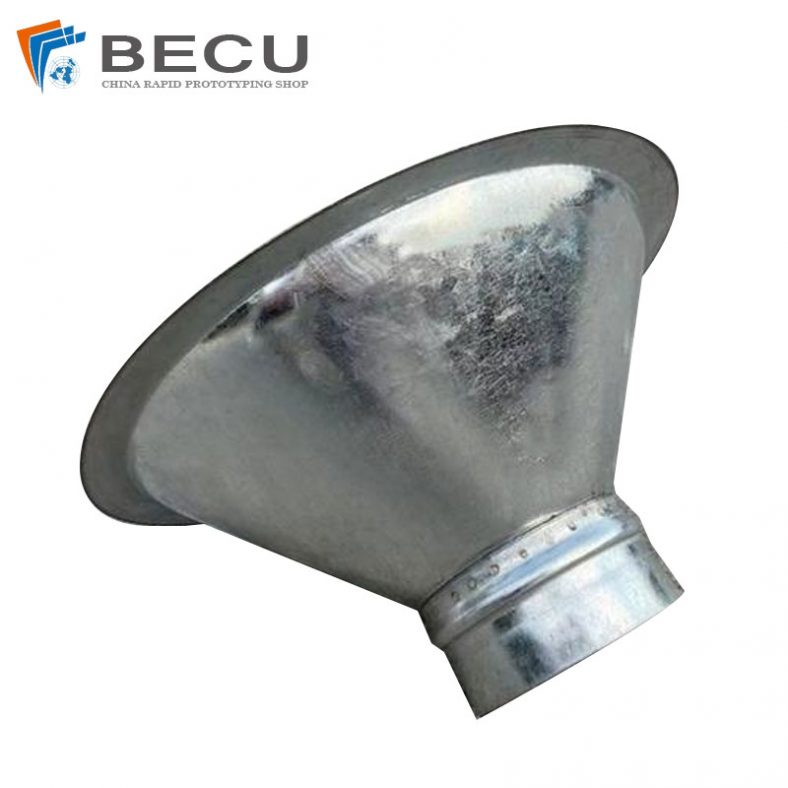
Sheet Metal Fabrication Galvanized Spiral Air Duct
-
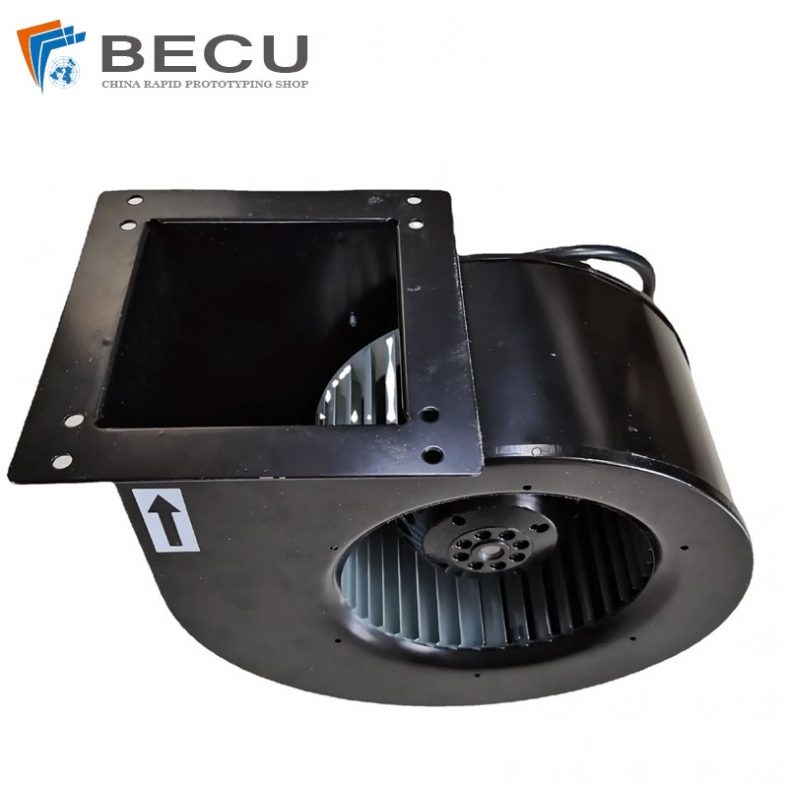
PCS Fan Ductwork Sheet Metal Housing
-
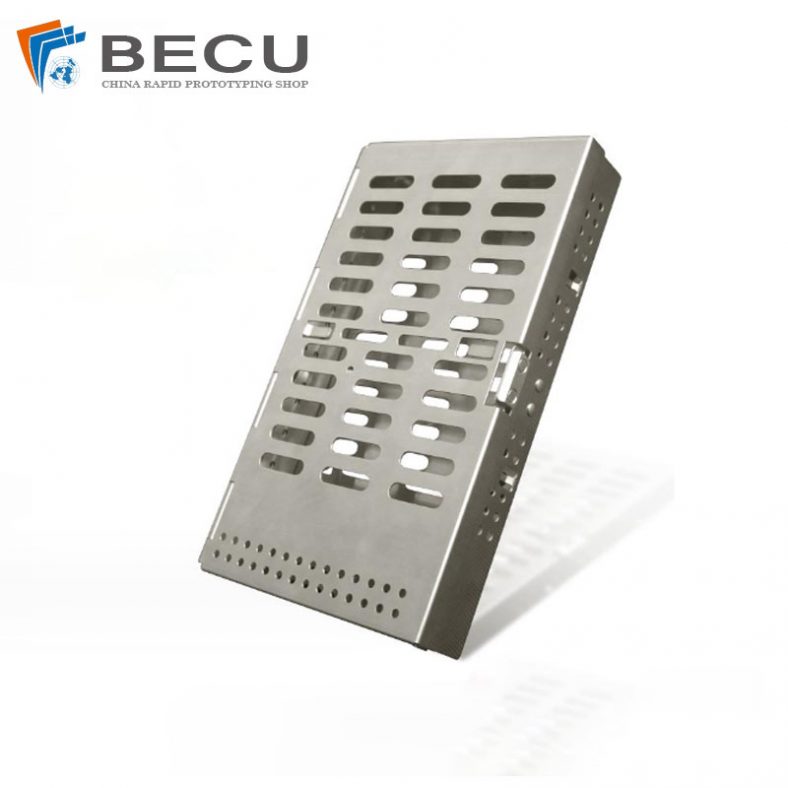
Custom Sheet Metal Surgical Instrument Sterilization Box For Beauty Salon
-
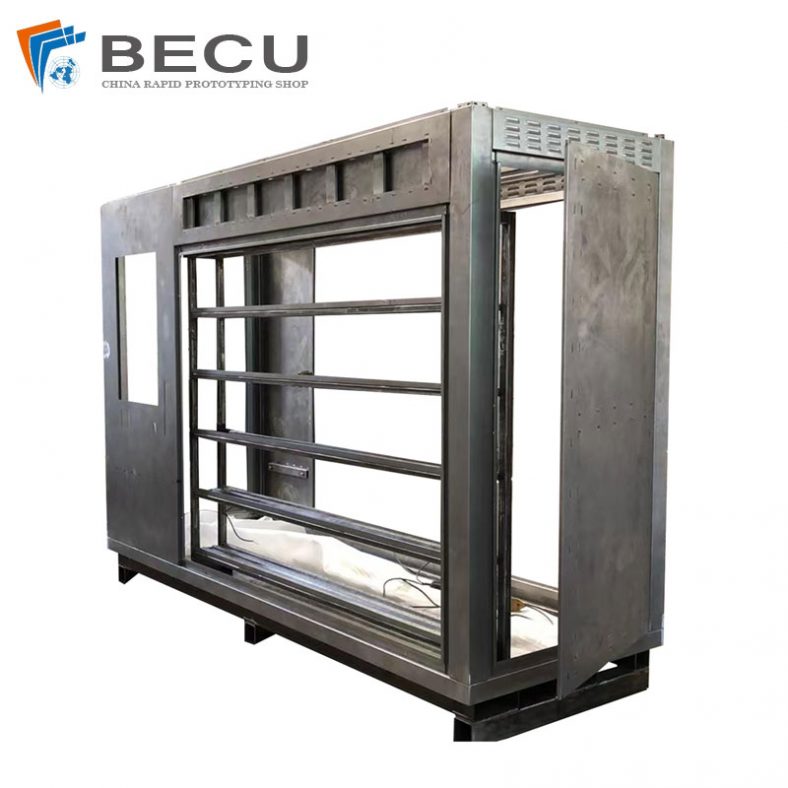
Precision Fabrication Green Energy EV Charging Station Cabinet
-
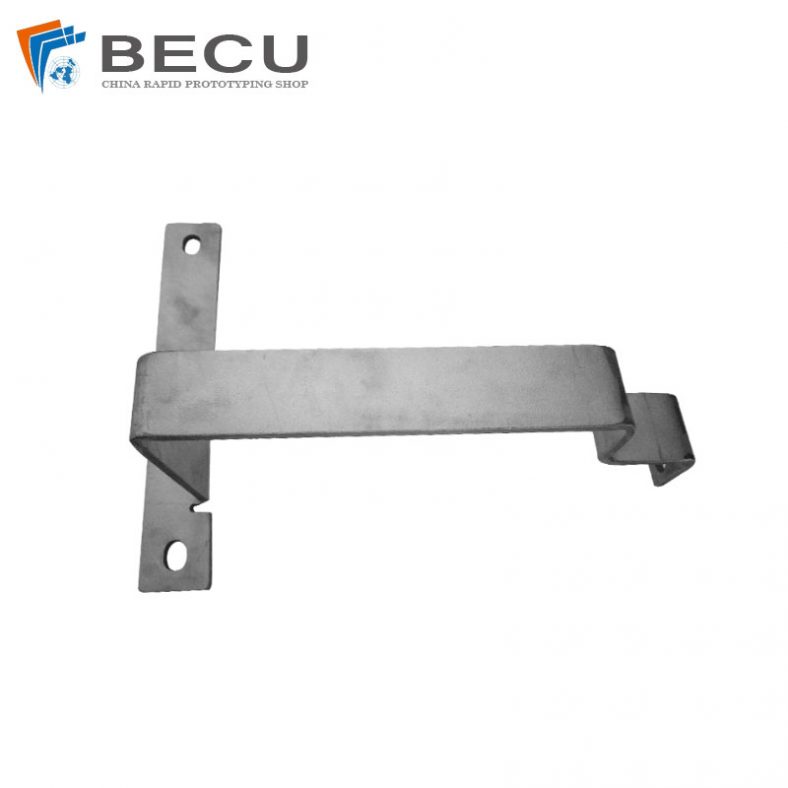
TA1TA2 Alloy Sheet Metal Manufacturing Machinery Support Parts
-
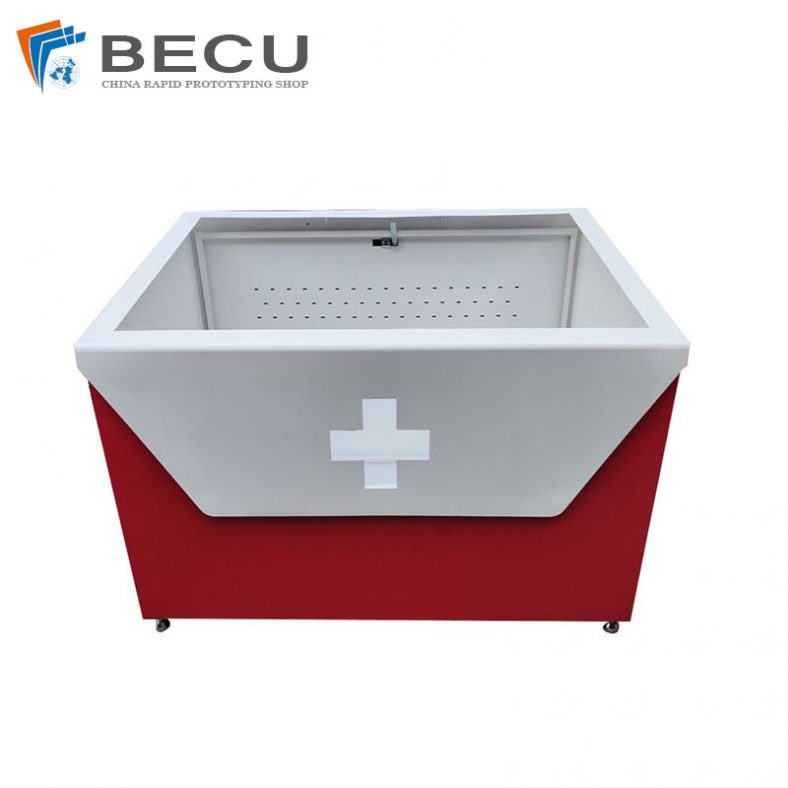
Sheet Metal Fabrication Aluminum 5052 Medical Box For Fire Fighting