
The difference between hot rolled and cold rolled steel lies in the processes used to manufacture the material and the properties these processes impart to the final product. Hot rolling and cold rolling are both methods of shaping steel into desired forms such as plates, sheets, bars, and coils, but the critical distinction between the two processes is the temperature at which the steel is rolled. These processes significantly affect the material’s final appearance, mechanical properties, and usability in various industrial applications.
What Is Hot Rolling
Hot rolling is a metalworking process that involves heating a billet or ingot of metal above its recrystallization temperature and then passing it through rollers to reduce its thickness. This process is typically carried out at temperatures above 1700°F (927°C), which makes the metal more malleable and easier to shape. Once the metal reaches the required temperature, it is subjected to mechanical deformation under high pressure, which reduces its size and creates the desired shape. The end product of hot rolling can range from large steel beams to sheets and plates, depending on the design specifications.
The process of hot rolling includes several stages:
- Heating: The raw metal, often in the form of billets, slabs, or ingots, is heated to temperatures high enough to make the metal malleable.
- Rolling: The heated metal is passed through a series of rollers, which apply pressure to reduce its thickness. The temperature of the metal remains high throughout this stage, which allows for significant deformation.
- Cooling: After the metal has been shaped, it is cooled, either by air or water, depending on the material and the desired properties.
Advantages of Hot Rolled Steel
- Cost-Effective: Hot rolling is generally less expensive than cold rolling due to lower energy requirements and simpler machinery.
- Good for Large Volumes: It is ideal for producing large quantities of material, as the process is faster and less expensive than cold rolling.
- Enhanced Ductility: At high temperatures, metals become more ductile, meaning they can be easily formed into larger sections without cracking or fracturing.
- Fewer Surface Defects: Because the metal is heated, it is less prone to developing cracks or imperfections that could occur in the cold rolling process.
- Suitable for Larger and Thicker Steel: Hot rolling is often used to produce products such as heavy plates, structural beams, and bars that need to have a large size or thickness.
Disadvantages of Hot Rolled Steel
- Surface Finish: One of the main drawbacks of hot rolling is that it tends to produce a rougher surface compared to cold rolling. The metal may exhibit scale or oxide layers formed during the cooling process, which can affect its appearance and require additional processing for some applications.
- Less Precise: Due to the higher temperatures, hot rolling does not provide the same level of dimensional accuracy as cold rolling. The material can experience a certain amount of warping or distortion during cooling, leading to less tight tolerances.
What Is Cold Rolling
Cold rolling, on the other hand, is the process of forming steel at or near room temperature. The metal is first processed through a hot rolling stage to reduce its thickness to a rough, intermediate size. Once the metal has cooled to room temperature, it is passed through a series of rollers under high pressure to achieve the desired thickness and surface finish. Cold rolling generally occurs at temperatures below the recrystallization temperature, which makes it a process performed without the influence of heat.
There are two primary types of cold rolling:
- Reversible Rolling: The metal is passed through the rollers multiple times in alternating directions to refine its thickness and surface quality.
- Single-Pass Rolling: The metal passes through the rollers only once to achieve its final thickness.
Cold rolling significantly changes the material properties of the steel, enhancing the material’s strength, hardness, and surface finish. However, it also introduces certain limitations and challenges that need to be considered.
Advantages of Cold Rolled Steel
- Improved Surface Finish: Cold rolling imparts a smoother, more polished surface, which is essential for applications where appearance matters, such as in appliances, automotive parts, or architectural finishes.
- Higher Strength and Hardness: The process of cold rolling work-hardens the steel, increasing its tensile strength and hardness. This makes it suitable for products that require high strength and durability, such as structural components, springs, and automotive parts.
- Dimensional Accuracy: Cold rolling offers much tighter tolerances compared to hot rolling. The material’s precise thickness, width, and overall dimensional characteristics are more consistent, which is important in applications where high accuracy is required.
- Better Control over Properties: Cold rolling can be combined with annealing (heating the material and then cooling it slowly) to control the final properties of the material, such as grain structure, hardness, and ductility.
Disadvantages of Cold Rolled Steel
- Higher Cost: Cold rolling requires more energy and precision equipment than hot rolling, making it a more expensive process. Additionally, the process can be slower, which raises production costs for manufacturers.
- Limited Thickness: Cold rolling is generally not suitable for very thick steel products. Due to the work-hardening effect, the metal becomes more difficult to shape as it gets thinner, which limits the thickness of materials that can be processed effectively.
- Risk of Cracking: When rolling very hard or brittle metals, cold rolling may induce cracking or surface defects, particularly if the material is not pre-treated or annealed properly.
Key Differences Between Hot Rolled and Cold Rolled Steel
- Temperature: The most significant difference between hot and cold rolling is the temperature at which the process occurs. Hot rolling is performed at temperatures above the recrystallization point of the metal, while cold rolling is performed at or near room temperature.
- Surface Finish: Hot rolled steel typically has a rough, scale-covered surface, while cold rolled steel has a smooth, shiny finish. This makes cold rolled steel more suitable for applications requiring aesthetic quality.
- Strength and Hardness: Cold rolled steel generally has higher strength and hardness than hot rolled steel due to the work-hardening effect during the process.
- Dimensional Precision: Cold rolling provides more precise dimensional control than hot rolling, making it ideal for applications requiring tight tolerances.
- Applications: Hot rolled steel is typically used for larger, thicker sections where surface finish and dimensional accuracy are less critical, such as in structural applications, while cold rolled steel is preferred for products that require high strength, smooth finishes, and dimensional precision, such as automotive parts, machinery, and consumer goods.
Industrial Applications Between Hot Rolled and Cold Rolled
Both hot rolled and cold rolled steel are used extensively in various industries, with their suitability depending on the specific requirements of the application.
Hot Rolled Steel Applications:
- Construction: Hot rolled steel is used in the construction of buildings, bridges, and infrastructure. It is often used for large structural components such as beams, columns, and plates due to its ability to handle significant loads and stresses.
- Automotive: Hot rolled steel is often used for larger components such as frames and chassis that do not require the tight tolerances and fine surface finish of cold rolled products.
- Shipbuilding: Hot rolled steel is a key material in shipbuilding, where large, heavy steel plates are required to form the hulls of ships.
- Heavy Machinery: Hot rolled steel is used for manufacturing large machine components and parts, where strength is essential, but surface finish and dimensional precision are not the highest priority.
Cold Rolled Steel Applications:
- Automotive: Cold rolled steel is widely used in the automotive industry for parts such as body panels, doors, and other components that require high strength and smooth finishes.
- Appliances: Cold rolled steel is commonly used in the production of household appliances like refrigerators, washing machines, and ovens, where a smooth surface and aesthetic quality are important.
- Electronics: Cold rolled steel is used in the manufacturing of products such as computer cases, heat exchangers, and other precision components.
- Consumer Goods: Many consumer products, from furniture to tools, make use of cold rolled steel for its strength and refined appearance.
Conclusion
The choice between hot rolled and cold rolled steel largely depends on the specific needs of the application. Hot rolled steel, with its lower cost, greater ductility, and suitability for large, thick sections, is ideal for structural applications where strength is important but surface finish and dimensional accuracy are less critical. Cold rolled steel, on the other hand, is preferred in applications that demand higher precision, a smoother surface finish, and greater strength, making it ideal for industries like automotive, electronics, and consumer goods.
Understanding the differences between these two rolling methods is crucial for selecting the appropriate material for any given project, as the process affects not only the physical properties of the steel but also its final performance and appearance in its end-use application.
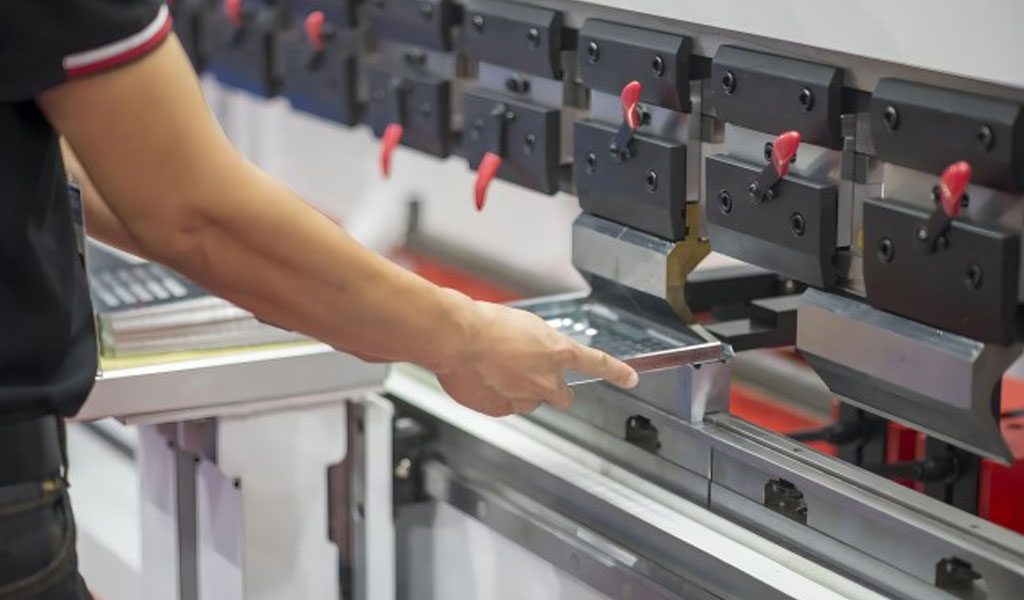
China Sheet Metal Fabrication Company
Sheet fabrication services for mild steel, high strength low alloy (HSLA) steel, cold/hot rolled steel, galvanized steel, stainless steel, aluminum, copper and brass. Capable of fabricating parts up to 12 ft. length and +/-0.001 in. tolerance. Various capabilities include contract manufacturing,custom stamping,edge rolling, forming,top laser cutting, roll bending and welding. Finishing and secondary services such as hardware installation, tapping, deburring, cleaning, heat treating, plating, anodizing and painting available. Sheet Metal Prototype and low to high volume production runs offered.
Suitable for commercial/residential architectural, aluminum brake shape parts, wall panel systems, brackets, general flashings, rails, call button plates and ship building component parts.If you want a specific material to be used in the sheet metal fabrication process, don’t hesitate to contact us!
-
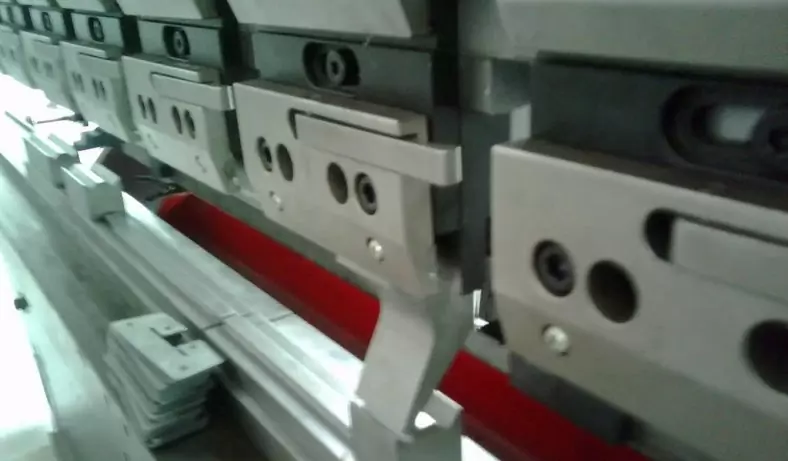
Stainless Steel Sheet Metal Fabrication
-
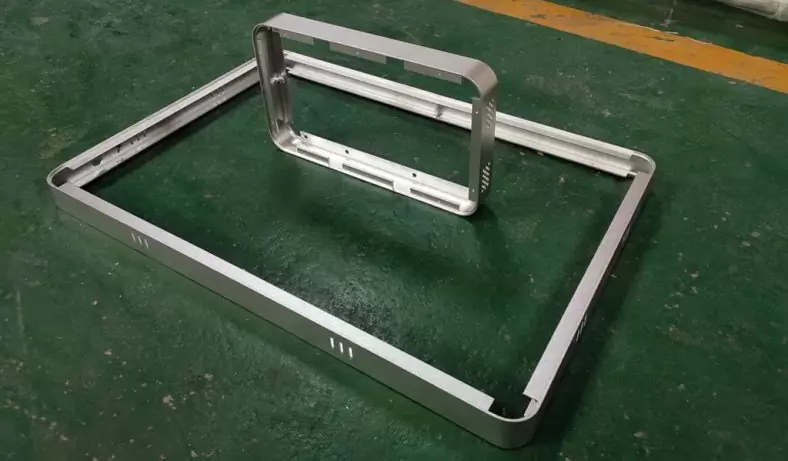
Aluminum Sheet Metal Fabrication
-
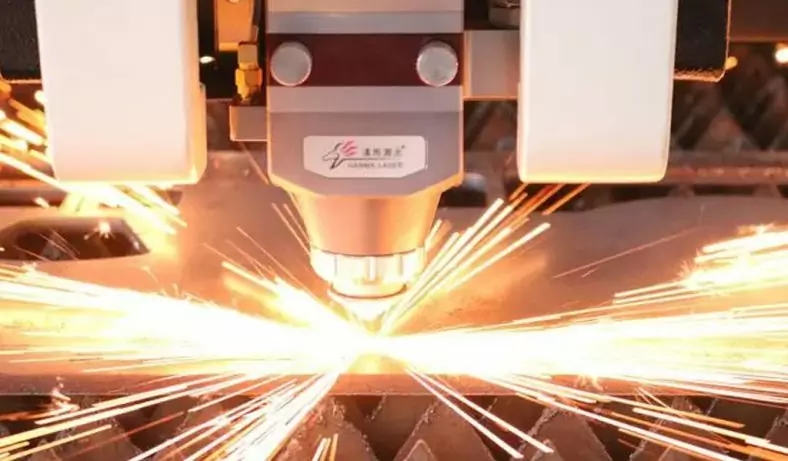
Copper Sheet Metal Fabrication
-
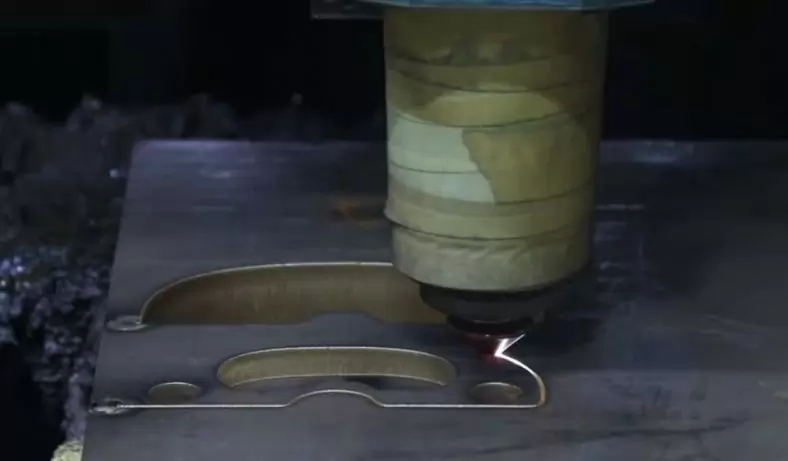
Brass Sheet Metal Fabrication
-
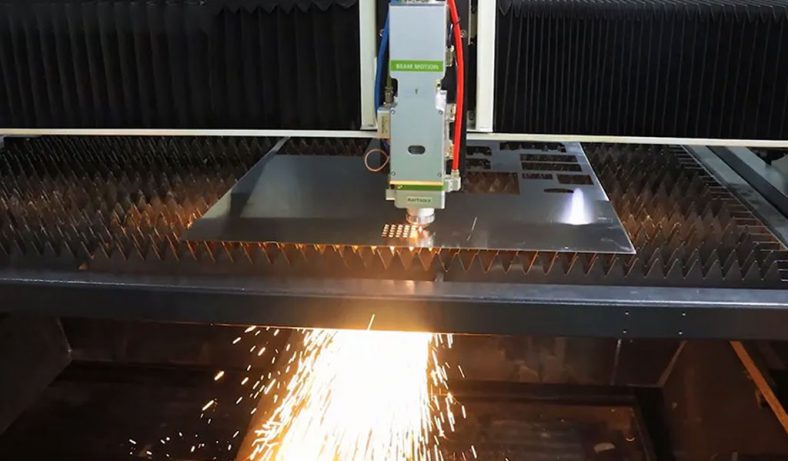
Steel Sheet Metal Fabrication
-
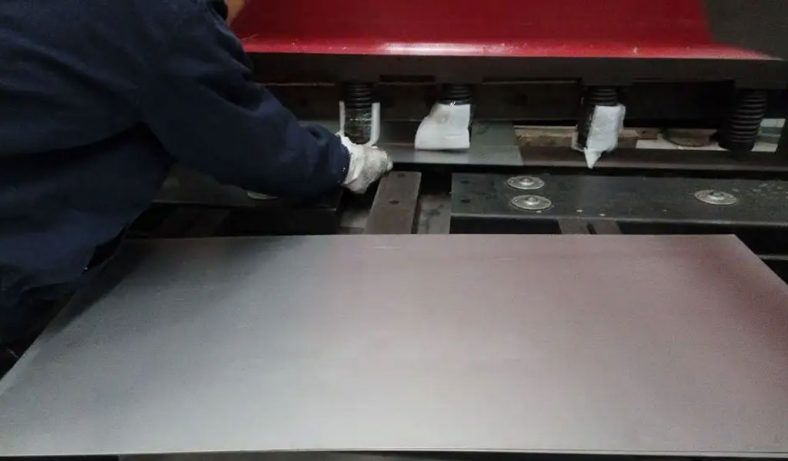
Titanium Sheet Metal Fabrication
-
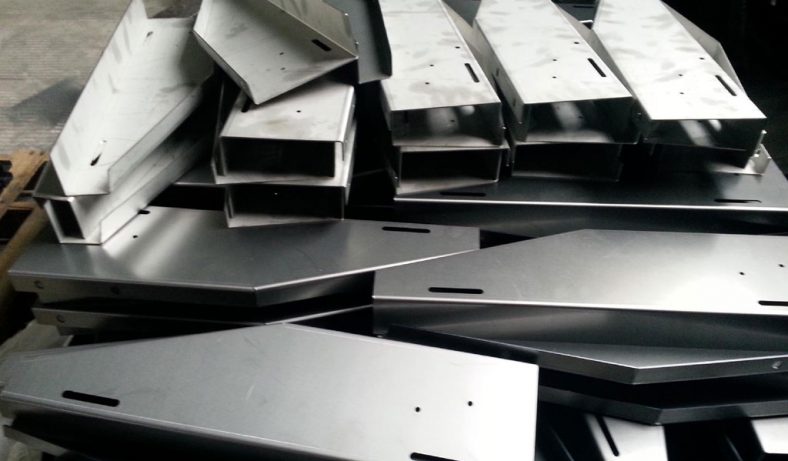
Galvanized Steel Sheet Metal Fabrication
-
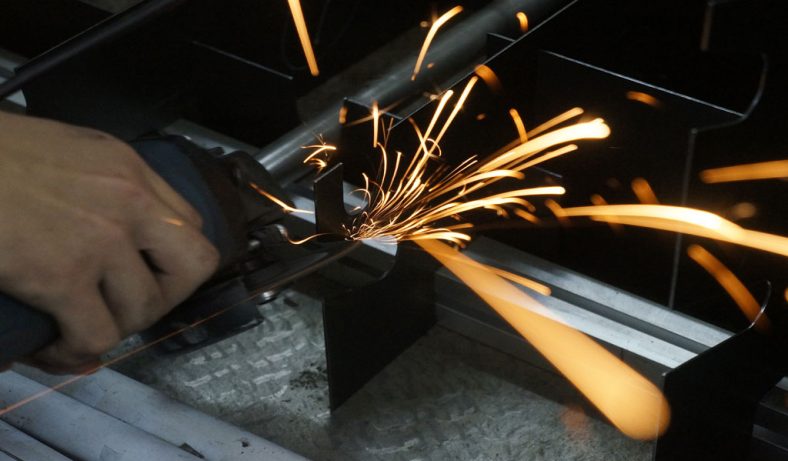
Mild Steel Sheet Metal Fabrication
-
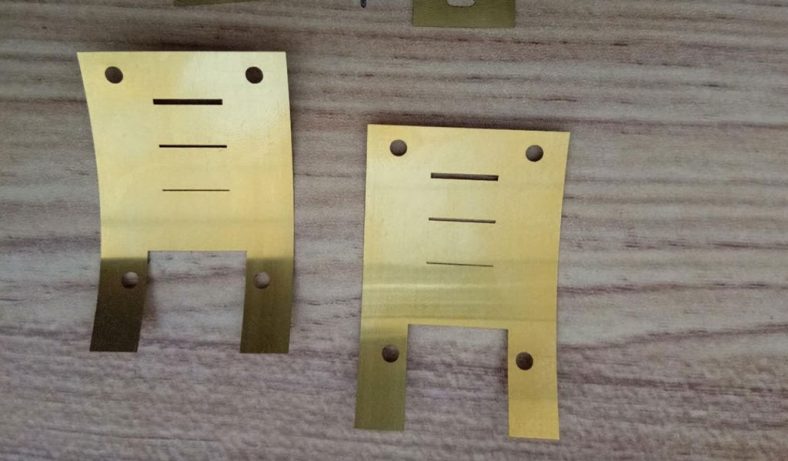
Bronze Sheet Metal Fabrication
Our Sheet Metal Fabrication Applications
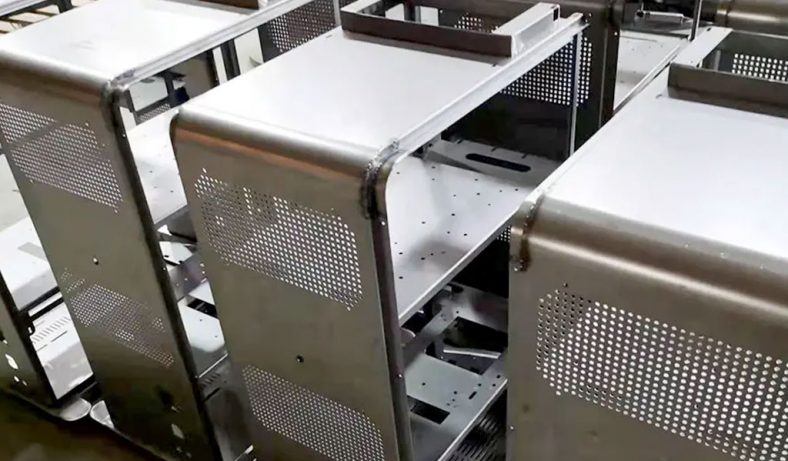
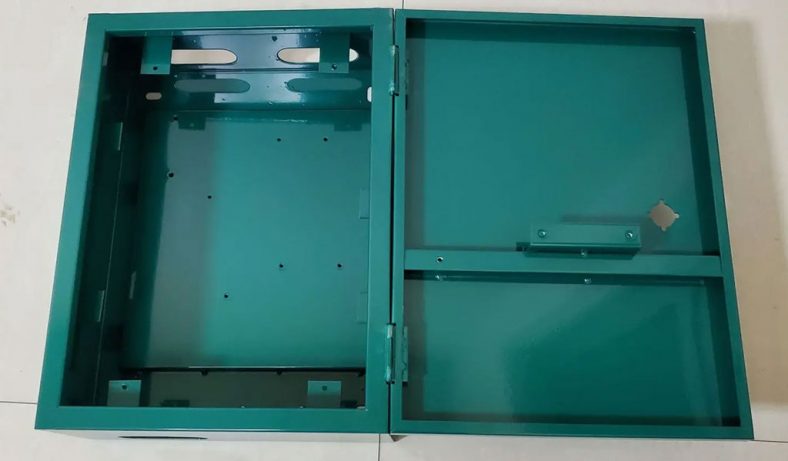
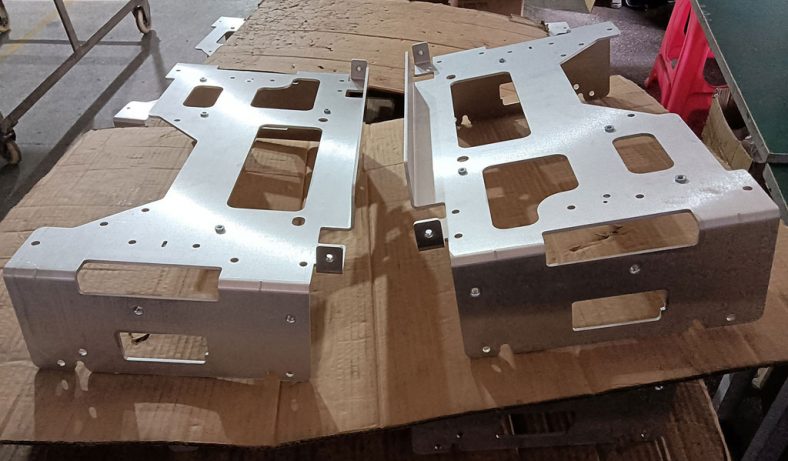
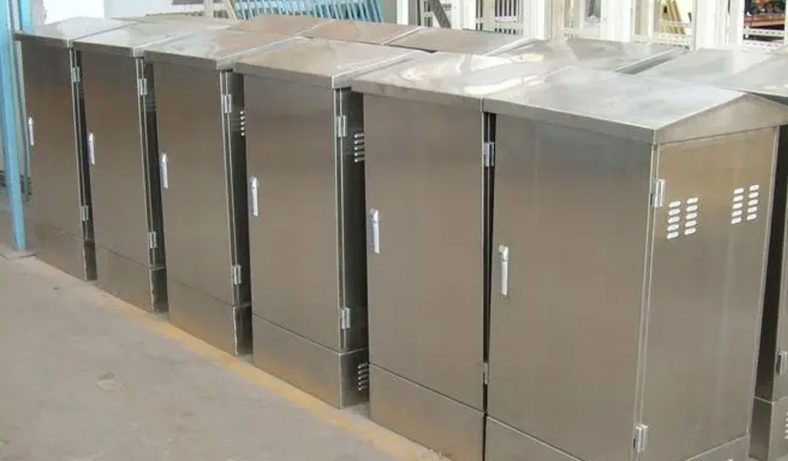
Be-Cu prototype offers custom sheet metal fabrication for creating structures, machines, and parts that includes:
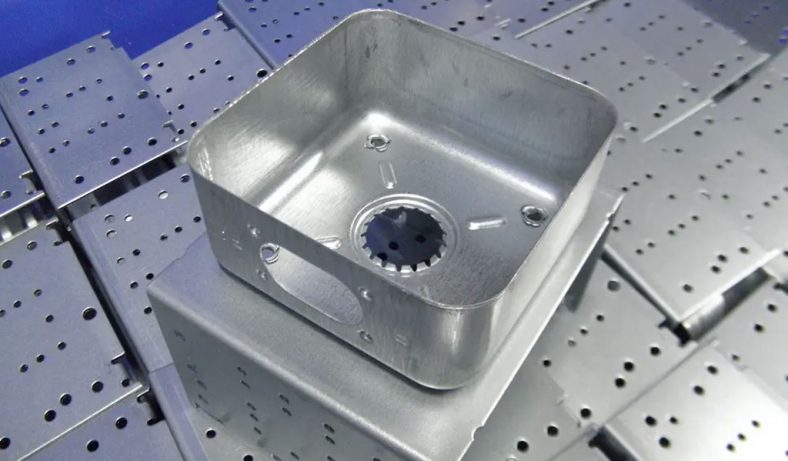
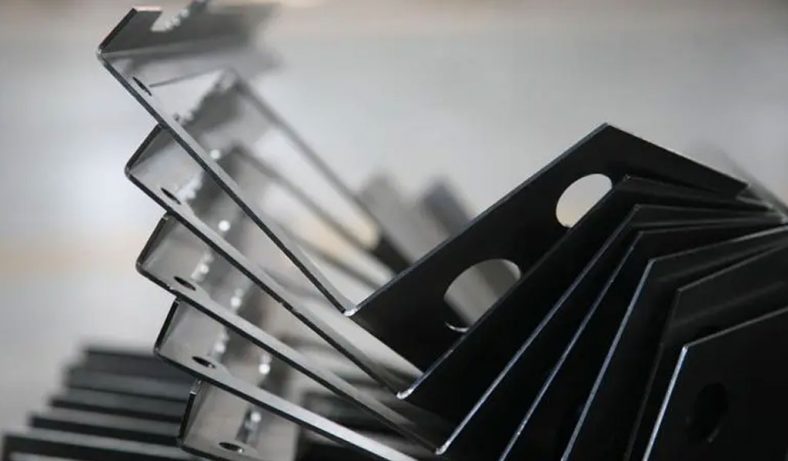
Our Case Studies Gallery Of Sheet Metal Fabrication Parts
If you need custom Sheet Metal Fabrication parts in China from a trusted supplier, look no further. Professional service from 10 to 100000+ parts,Whether you want a small series production or large quantities,Be-Cu Prototype scale precision Sheet Metal Fabrication services according to our customers needs, including pipe,plate and tube cutting. Contact us to see how we can help you! Get a quote today!
-
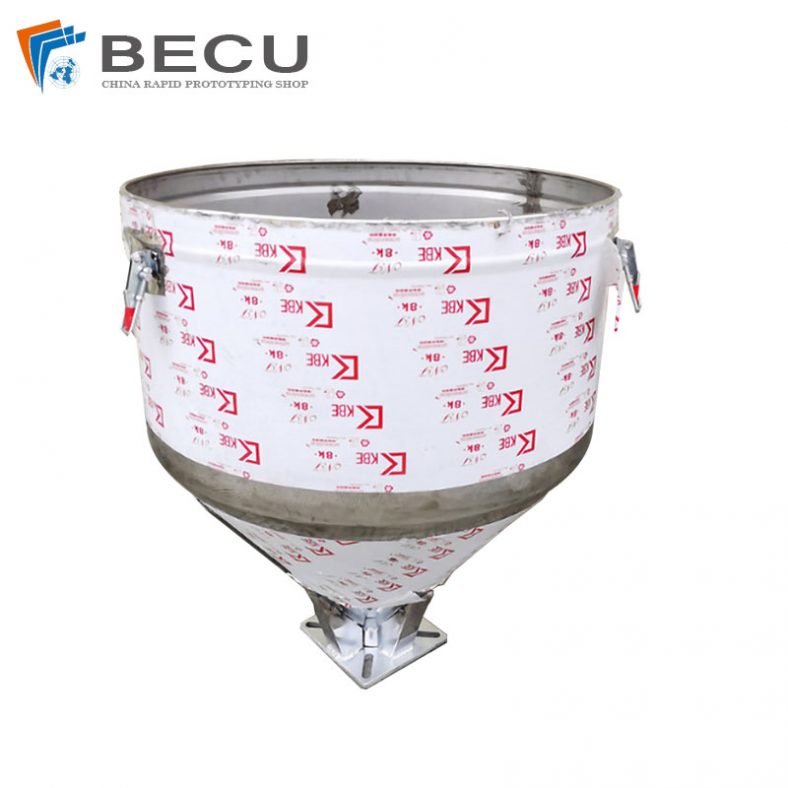
Sheet Metal Fabrication Injection Molding Machine Hopper
-
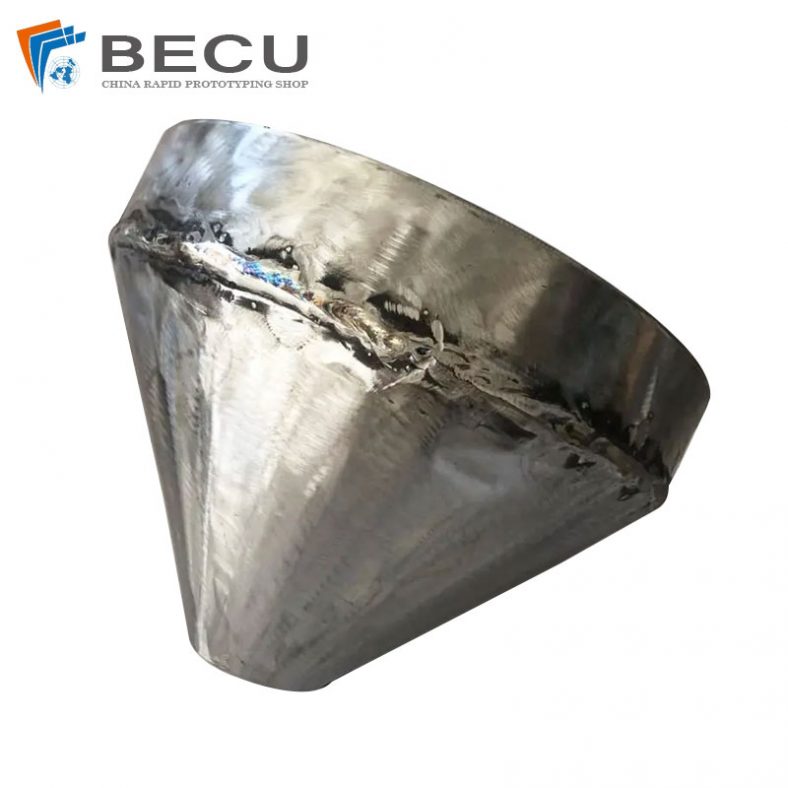
Sheet Metal Fabrication Funnel For Agricultural Machinery
-
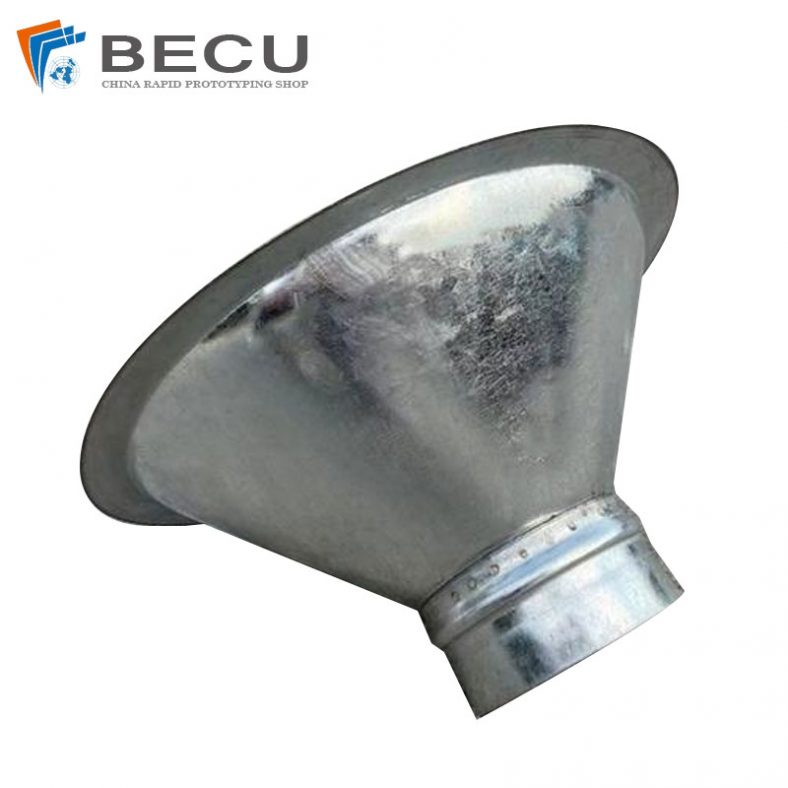
Sheet Metal Fabrication Galvanized Spiral Air Duct
-
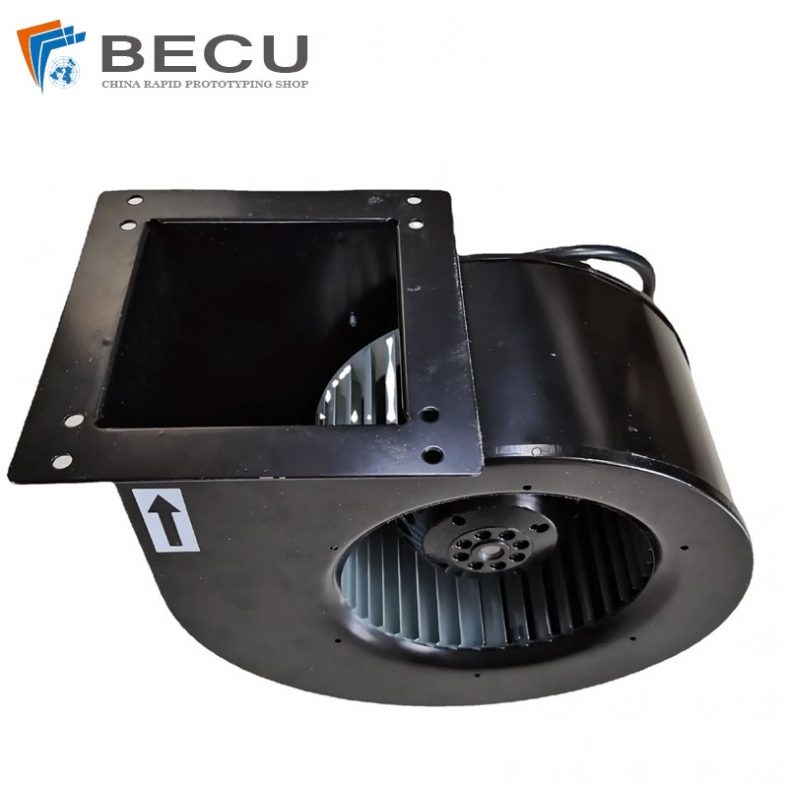
PCS Fan Ductwork Sheet Metal Housing
-
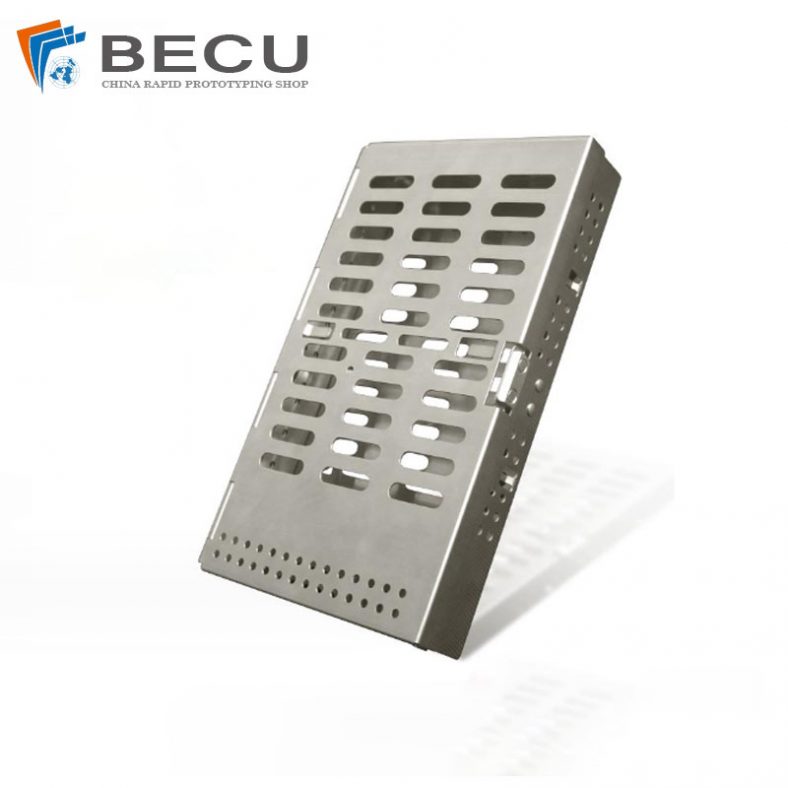
Custom Sheet Metal Surgical Instrument Sterilization Box For Beauty Salon
-
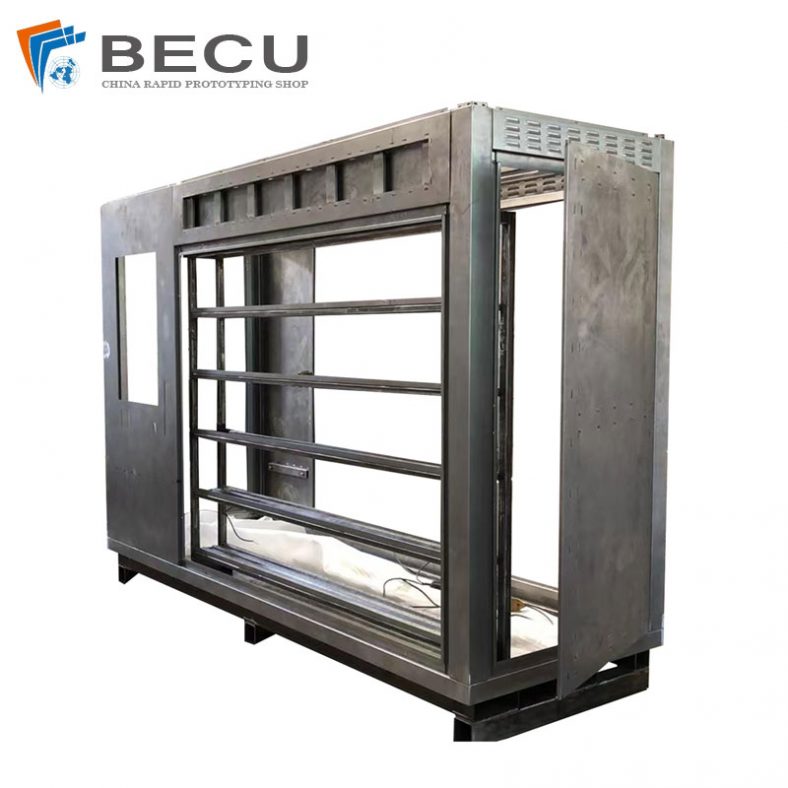
Precision Fabrication Green Energy EV Charging Station Cabinet
-
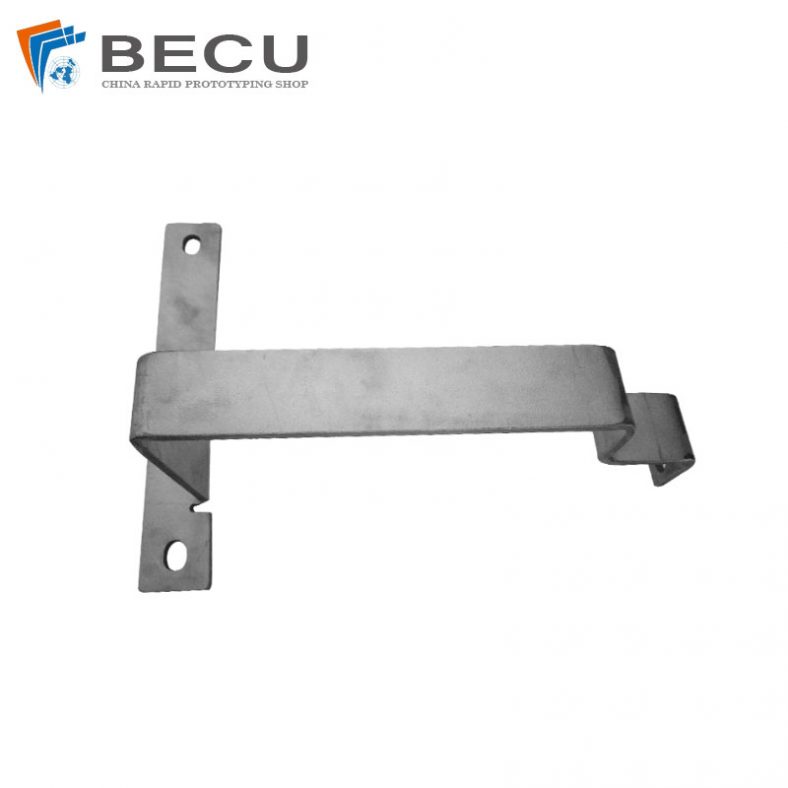
TA1TA2 Alloy Sheet Metal Manufacturing Machinery Support Parts
-
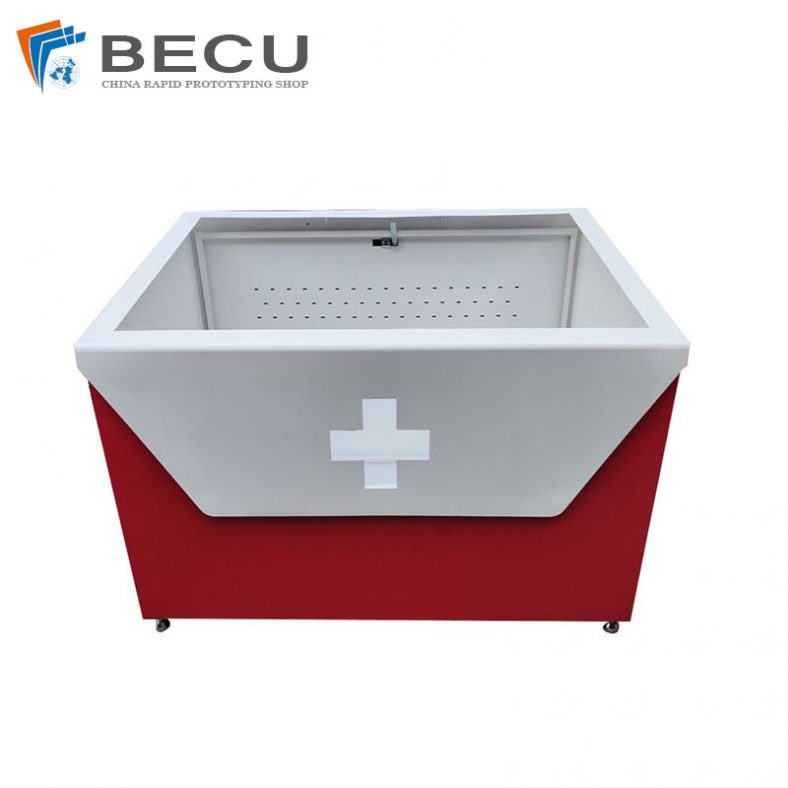
Sheet Metal Fabrication Aluminum 5052 Medical Box For Fire Fighting