
Sheet metal fabrication is a critical aspect of modern construction, encompassing a range of processes that transform flat metal sheets into structurally integral components used in various applications, from residential to commercial and industrial buildings. This versatile process is widely employed for producing ducts, roofs, walls, facades, and other essential structural elements. The ability to mold, cut, and shape metal into precise forms enables sheet metal fabrication to meet the demanding standards of construction, offering both aesthetic value and functional durability.
Importance of Sheet Metal Fabrication in Construction
Sheet metal fabrication refers to the process of manipulating metal sheets, typically of uniform thickness, to create a variety of products used in a multitude of industries, with construction being one of the primary sectors benefiting from its capabilities.
Common metals used in the fabrication process include steel, aluminum, copper, zinc, and other alloys, which are chosen based on their properties, such as strength, corrosion resistance, and weight.
Fabrication involves several distinct techniques, including cutting, bending, punching, welding, and assembling, each contributing to the creation of components that meet precise specifications. The finished products can serve functional purposes, such as structural supports, or aesthetic ones, such as decorative panels. Additionally, fabricated sheet metal products are critical for systems like ventilation, air conditioning, and roofing, making them indispensable in construction.
The construction industry relies heavily on sheet metal due to its numerous advantages. Not only is it durable and cost-effective, but it is also highly adaptable to a wide range of applications. The materials used in sheet metal fabrication are often selected for their ability to withstand the environmental challenges present in construction environments, such as extreme weather conditions, pressure, and corrosive elements.
- Durability: Metals used in sheet metal fabrication, such as galvanized steel or stainless steel, offer exceptional strength, weather resistance, and longevity, which are crucial in construction where materials are subject to constant wear and tear.
- Versatility: Sheet metal can be shaped into a variety of forms, including flat, curved, or even intricate patterns, which makes it suitable for numerous construction purposes, from structural components to decorative elements.
- Cost-effectiveness: Compared to other materials, sheet metal tends to be relatively affordable and can be easily sourced, making it a preferred option in both residential and commercial construction projects.
- Lightweight: Many sheet metals, especially aluminum, are lightweight yet strong, offering ease of handling and reducing the overall weight load in structural systems, which is particularly beneficial in large-scale constructions.
- Energy Efficiency: Sheet metal is often used in the construction of heating, ventilation, and air conditioning (HVAC) systems due to its excellent thermal conductivity and ability to maintain consistent temperatures within buildings.
Common Sheet Metal Fabrication Processes in Construction
The fabrication process involves several key stages, from initial design and planning to the final installation of metal components. Each stage requires specialized equipment and expertise to ensure that the finished product meets the stringent requirements of construction standards.
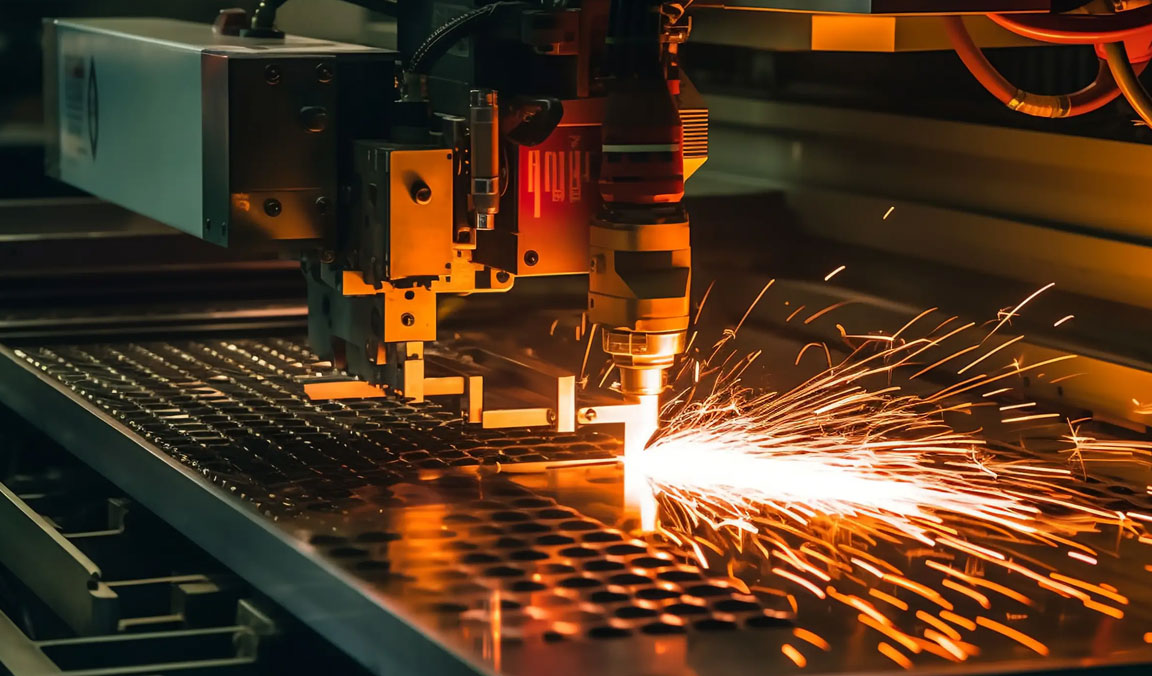
- Cutting: One of the most fundamental processes in sheet metal fabrication, cutting is typically done using tools such as laser cutters, water jet cutters, or mechanical shears. Precision cutting is essential for ensuring that metal components fit properly in the construction framework.
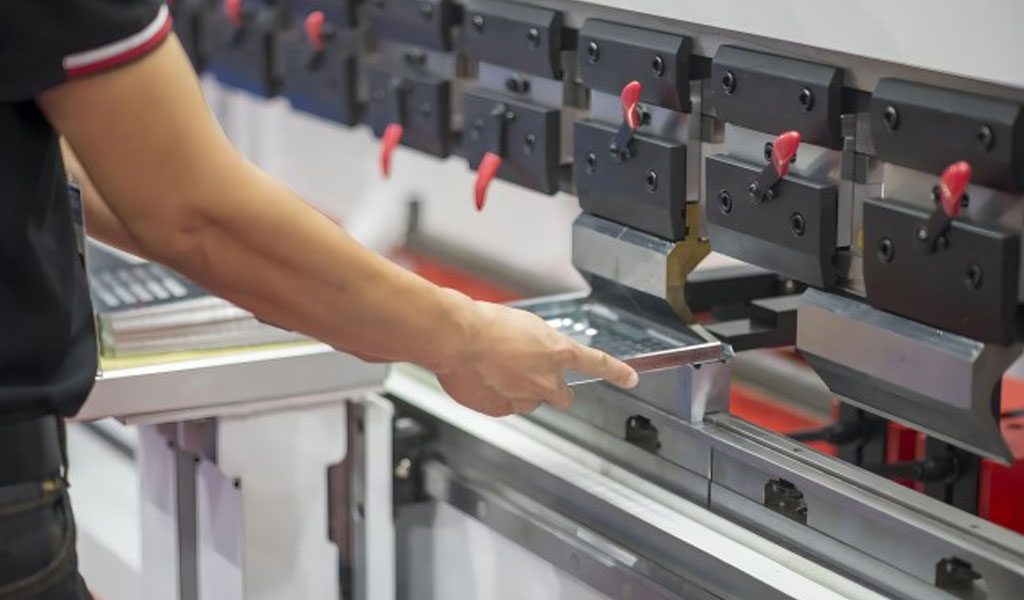
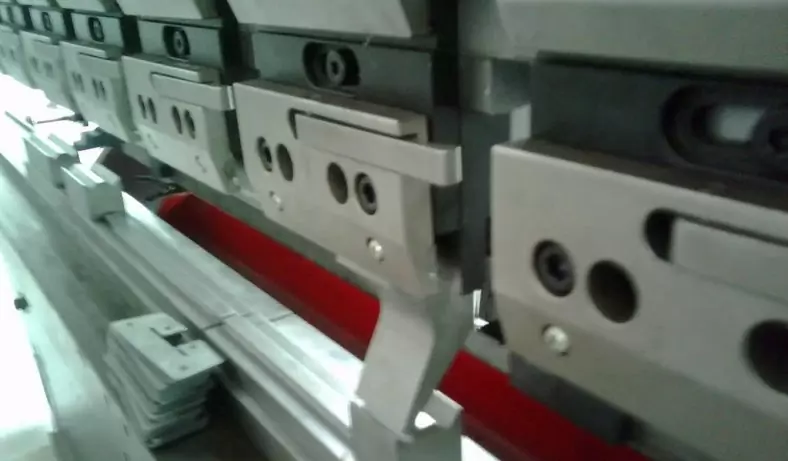
- Bending: This process involves the deformation of metal sheets into specific angles, typically using press brakes or rolling machines. Bending is used for creating components such as ducts, gutters, and architectural features like window frames.
- Punching: Punching is the process of creating holes or cutouts in sheet metal using a punch press. It is used to make holes for bolts, rivets, or other fasteners and is an integral part of producing components like panels or framing elements in construction.
- Welding: Welding is the process of joining two or more pieces of sheet metal together using heat and pressure. In construction, welding is commonly used to fabricate complex frames, structural supports, and other elements that require strong, permanent joints.
- Assembly: After individual parts are fabricated, they are assembled into larger structures. This can involve welding, riveting, or using fasteners like screws and bolts to attach components together.
- Finishing: The final step in sheet metal fabrication often involves finishing treatments, which can include polishing, coating (such as powder coating or galvanizing), or adding other protective layers to ensure that the metal resists corrosion and maintains its aesthetic appearance.
- Punching and Perforating: Punching is commonly used to create holes or patterns in sheet metal, either for aesthetic reasons or for functionality, such as ventilation or drainage. This process can be done using mechanical presses or CNC (Computer Numerical Control) machines for precision.
Applications of Sheet Metal Fabrication in Construction
Environmental Considerations and Sustainability
As construction practices evolve, sustainability has become a critical concern. Sheet metal fabrication aligns well with green building practices, thanks to the recyclability of metals such as steel and aluminum. Recycling metal reduces the need for raw materials and energy consumption, thus decreasing the overall environmental footprint of construction projects.
- Recycling: Many metals used in sheet metal fabrication, including steel and aluminum, are highly recyclable. Recycled metal can be used to create new sheets, reducing waste and conserving natural resources.
- Energy Efficiency: Sheet metal components, particularly those used in insulation and HVAC systems, contribute significantly to energy efficiency in buildings. By improving thermal conductivity and minimizing heat loss, these components help reduce energy consumption over time.
- Longevity: Metal’s durability ensures that products will last longer and require fewer replacements, contributing to lower maintenance and waste over the lifespan of the building.
As the construction industry continues to innovate, the role of sheet metal fabrication is likely to expand further. Advancements in technology, such as 3D printing, robotics, and AI-driven design processes, are expected to revolutionize how sheet metal is fabricated, making the process more efficient and precise. Additionally, new materials and fabrication techniques are constantly being explored to meet the evolving needs of construction, including lightweight composites and advanced coatings that enhance performance and aesthetic appeal.
The integration of sustainable practices into sheet metal fabrication is also expected to continue, with increased emphasis on the recyclability of materials, energy efficiency, and reducing environmental impact. As building codes and standards become more stringent, the demand for advanced sheet metal components that offer both strength and sustainability will grow, further cementing the importance of sheet metal fabrication in construction.
Conclusion
Sheet metal fabrication is an indispensable part of the construction industry, providing strength, durability, versatility, and aesthetic appeal to a wide range of building applications. From structural components to roofing, HVAC systems, and facades, sheet metal plays a crucial role in modern construction projects. The continuous advancement of fabrication techniques and the growing emphasis on sustainability ensure that sheet metal will remain a key material in the future of construction, contributing to the development of safer, more efficient, and environmentally responsible buildings.
China Sheet Metal Fabrication Company
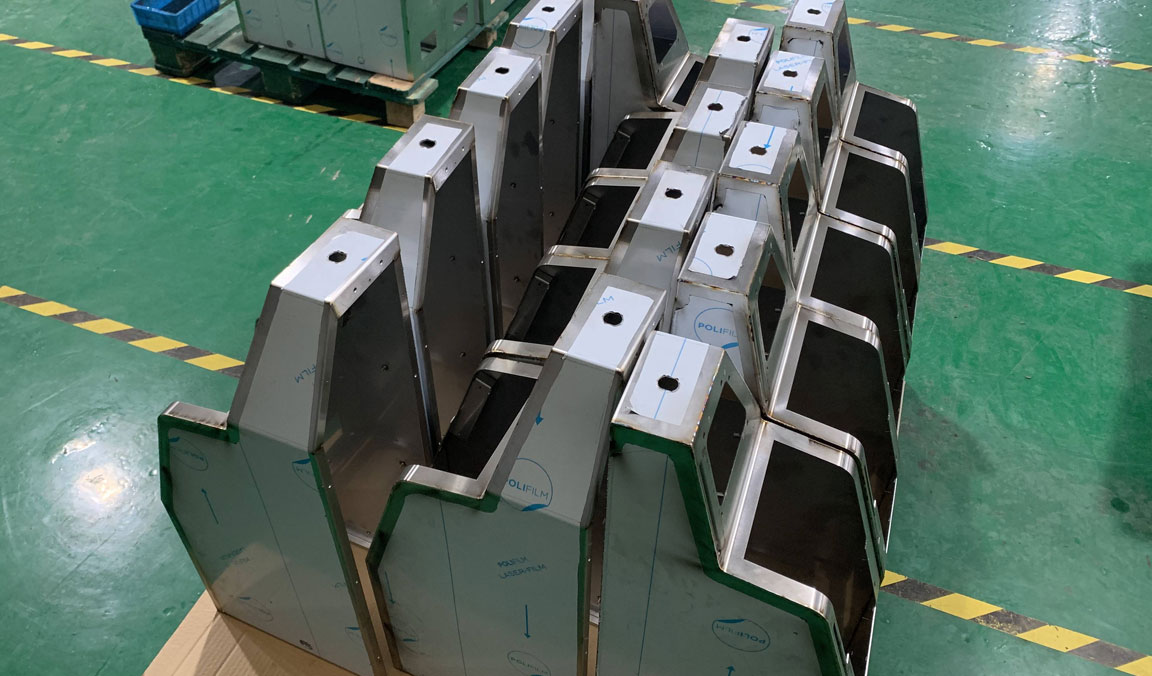
Sheet fabrication services for mild steel, high strength low alloy (HSLA) steel, cold/hot rolled steel, galvanized steel, stainless steel, aluminum, copper and brass. Capable of fabricating parts up to 12 ft. length and +/-0.001 in. tolerance. Various capabilities include contract manufacturing,custom stamping,edge rolling, forming,top laser cutting, roll bending and welding. Finishing and secondary services such as hardware installation, tapping, deburring, cleaning, heat treating, plating, anodizing and painting available. Sheet Metal Prototype and low to high volume production runs offered.
Suitable for commercial/residential architectural, aluminum brake shape parts, wall panel systems, brackets, general flashings, rails, call button plates and ship building component parts.If you want a specific material to be used in the sheet metal fabrication process, don’t hesitate to contact us!
-
Stainless Steel Sheet Metal Fabrication
-
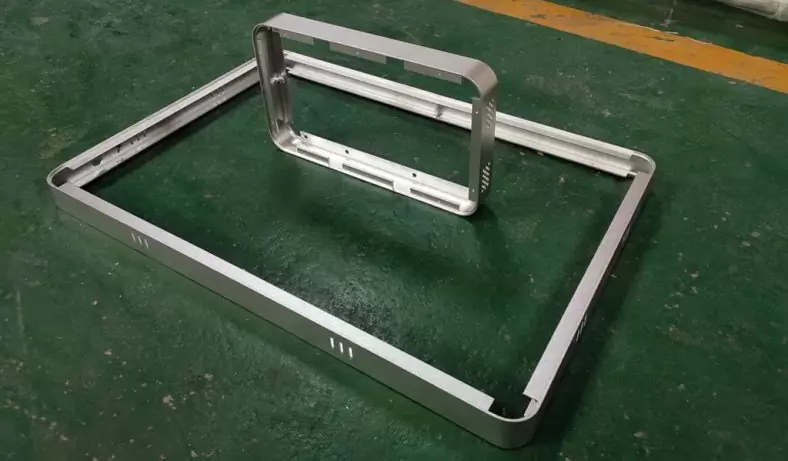
Aluminum Sheet Metal Fabrication
-
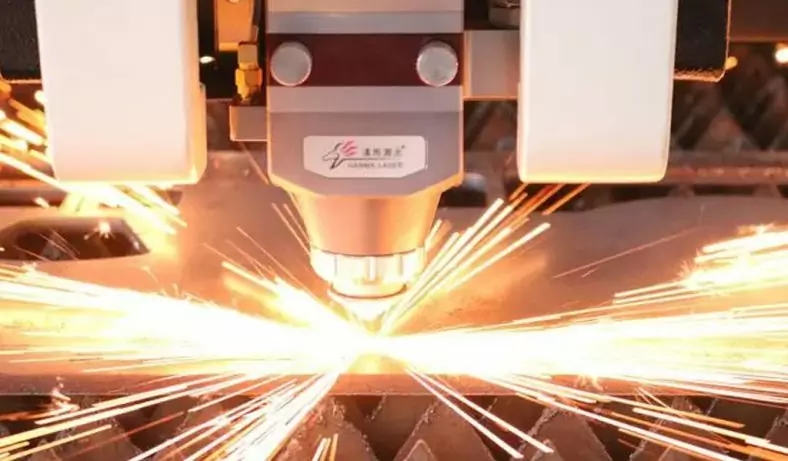
Copper Sheet Metal Fabrication
-
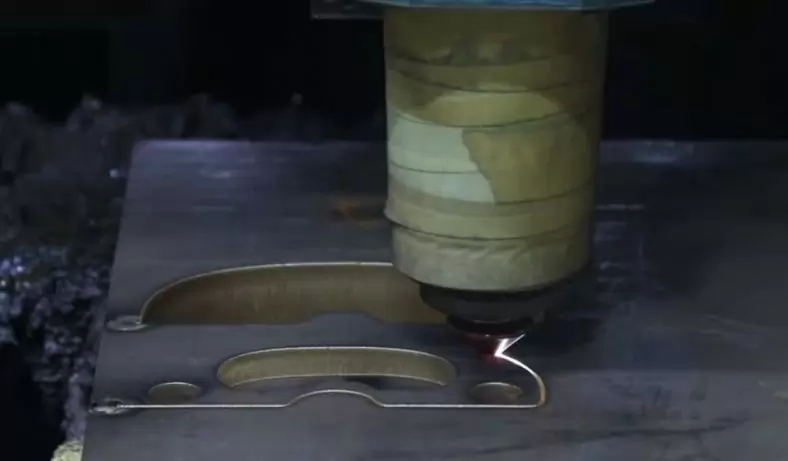
Brass Sheet Metal Fabrication
-
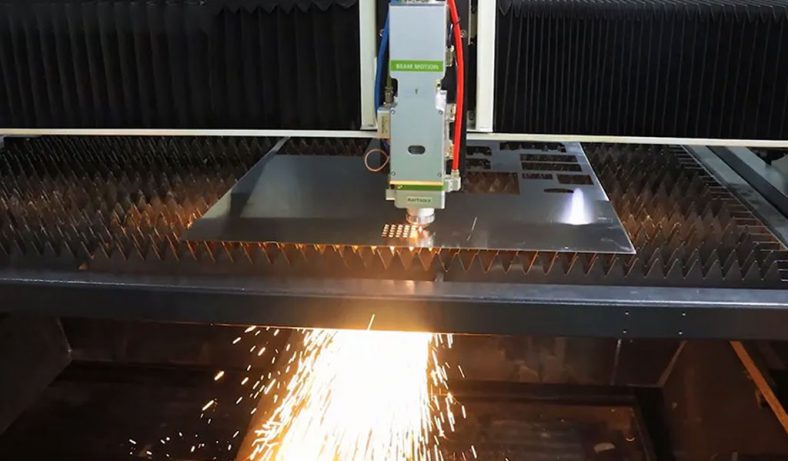
Steel Sheet Metal Fabrication
-
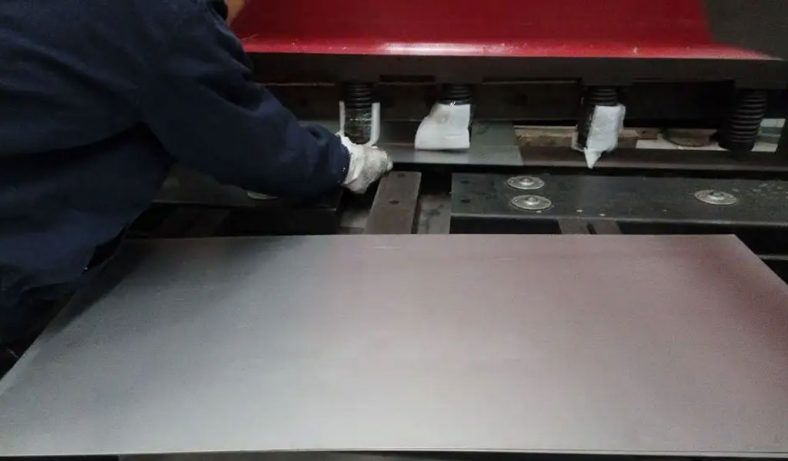
Titanium Sheet Metal Fabrication
-
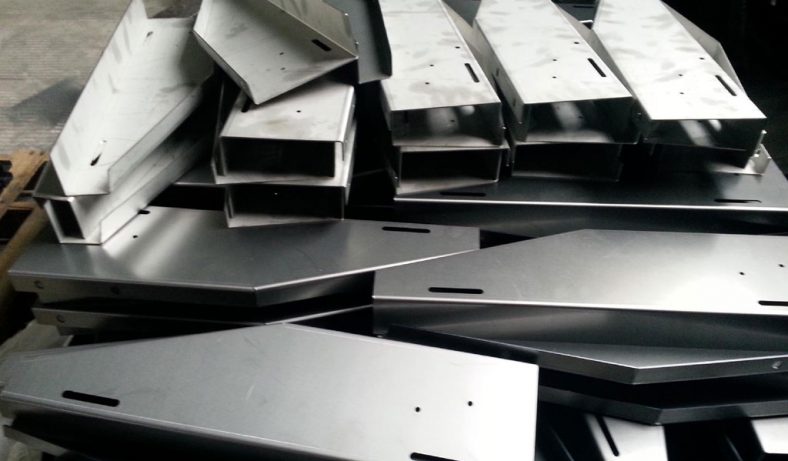
Galvanized Steel Sheet Metal Fabrication
-
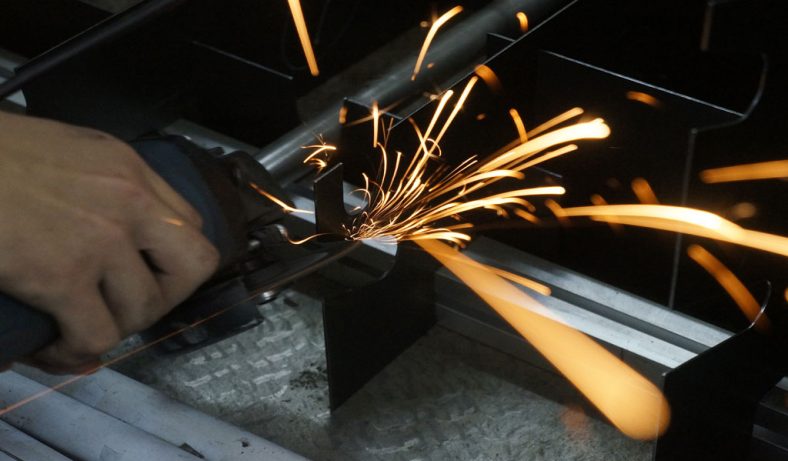
Mild Steel Sheet Metal Fabrication
-
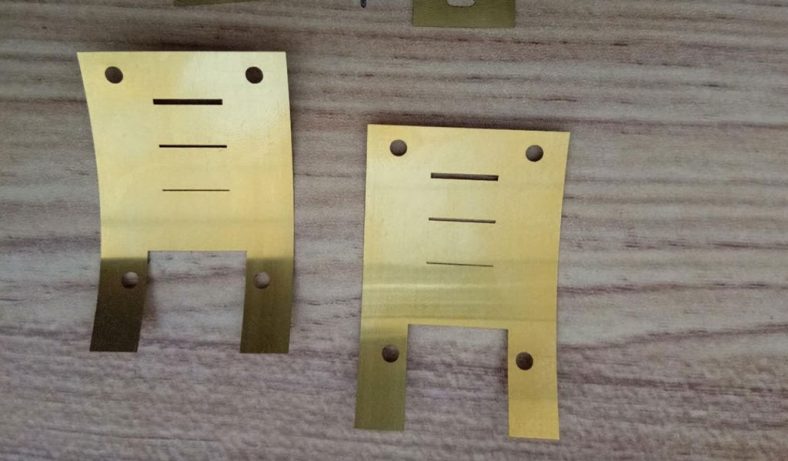
Bronze Sheet Metal Fabrication
Our Sheet Metal Fabrication Applications
Be-Cu prototype offers custom sheet metal fabrication for creating structures, machines, and parts that includes:
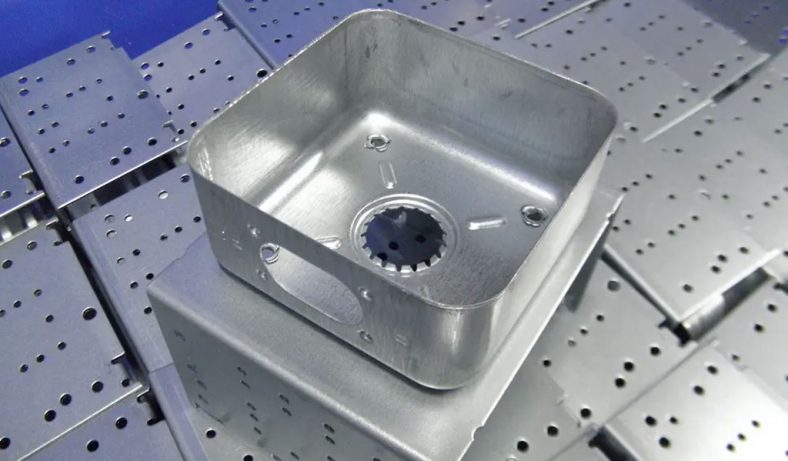
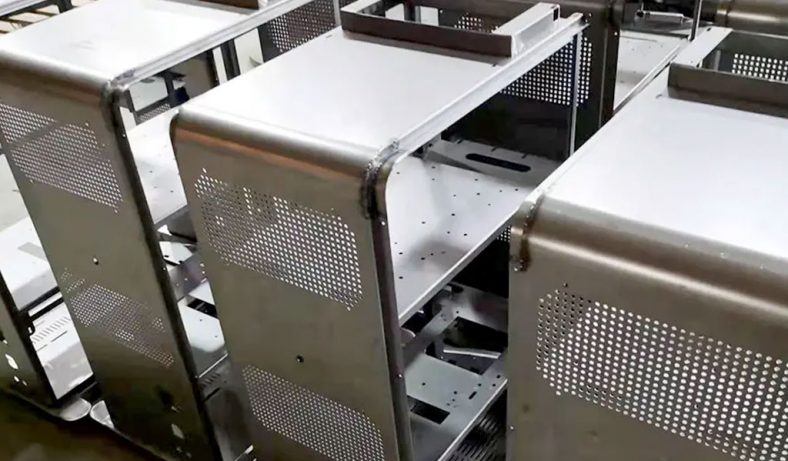
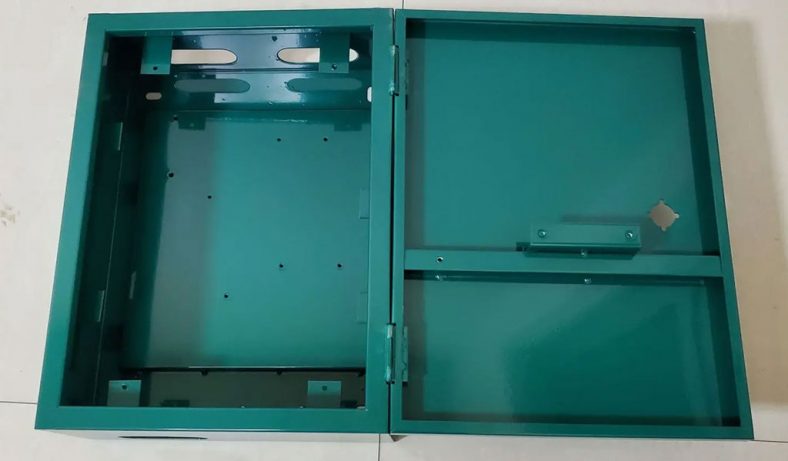
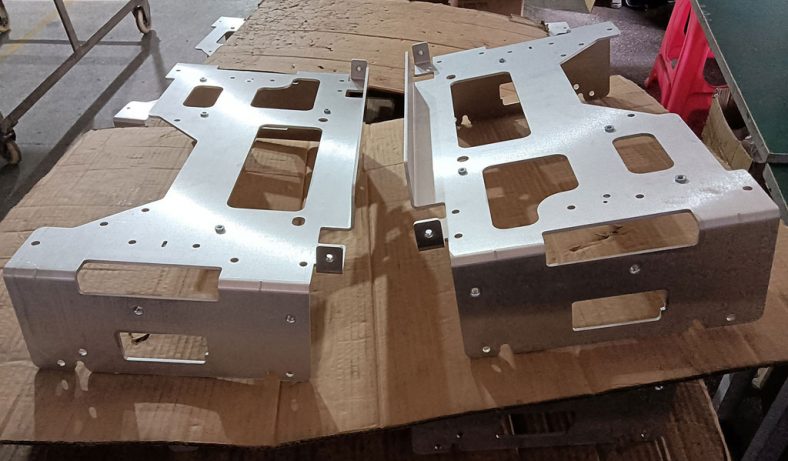
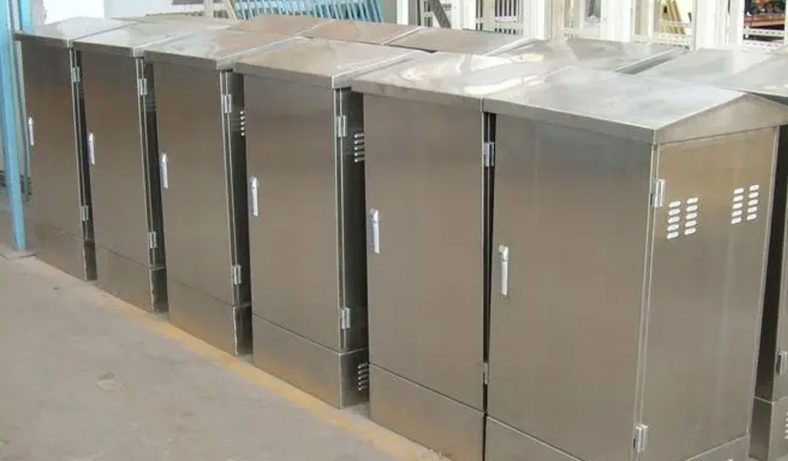
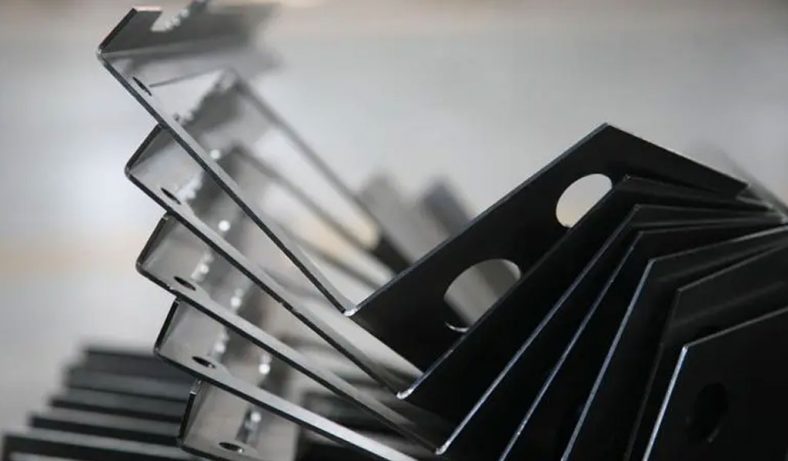
Our Case Studies Gallery Of Sheet Metal Fabrication Parts
If you need custom Sheet Metal Fabrication parts in China from a trusted supplier, look no further. Professional service from 10 to 100000+ parts,Whether you want a small series production or large quantities,Be-Cu Prototype scale precision Sheet Metal Fabrication services according to our customers needs, including pipe,plate and tube cutting. Contact us to see how we can help you! Get a quote today!
-
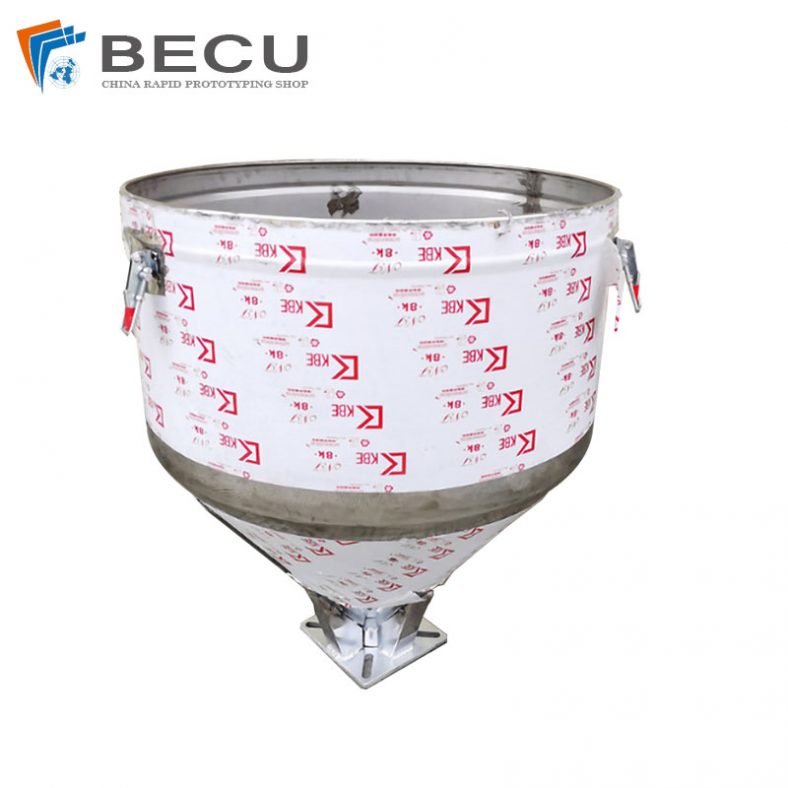
Sheet Metal Fabrication Injection Molding Machine Hopper
-
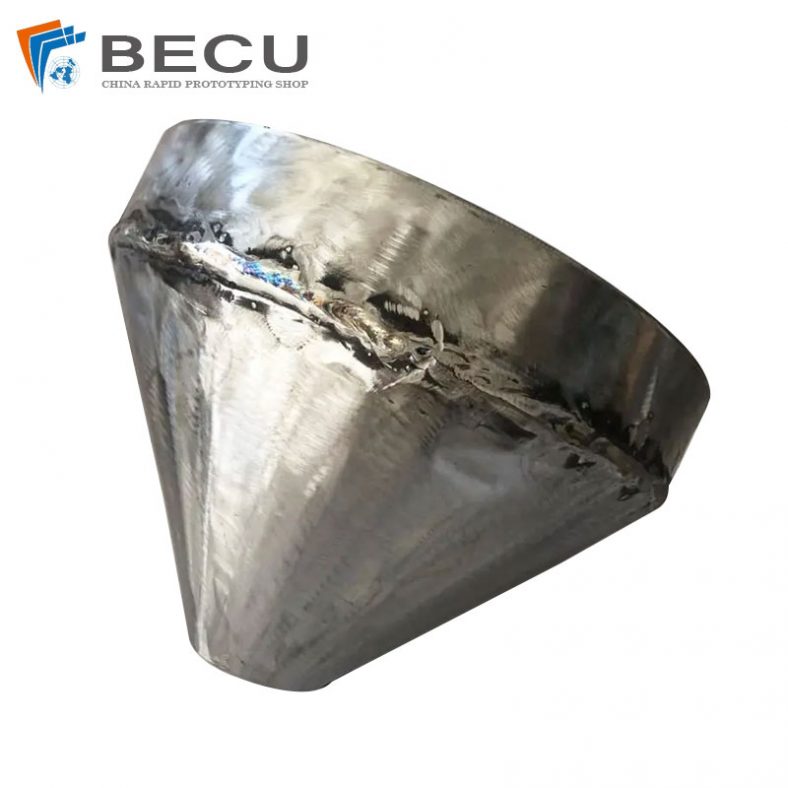
Sheet Metal Fabrication Funnel For Agricultural Machinery
-
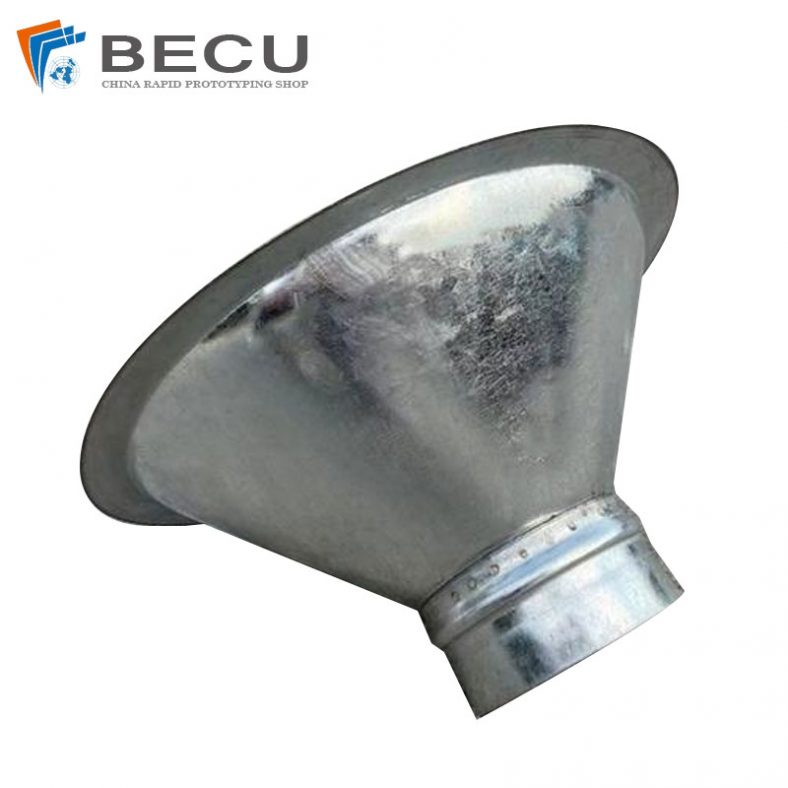
Sheet Metal Fabrication Galvanized Spiral Air Duct
-
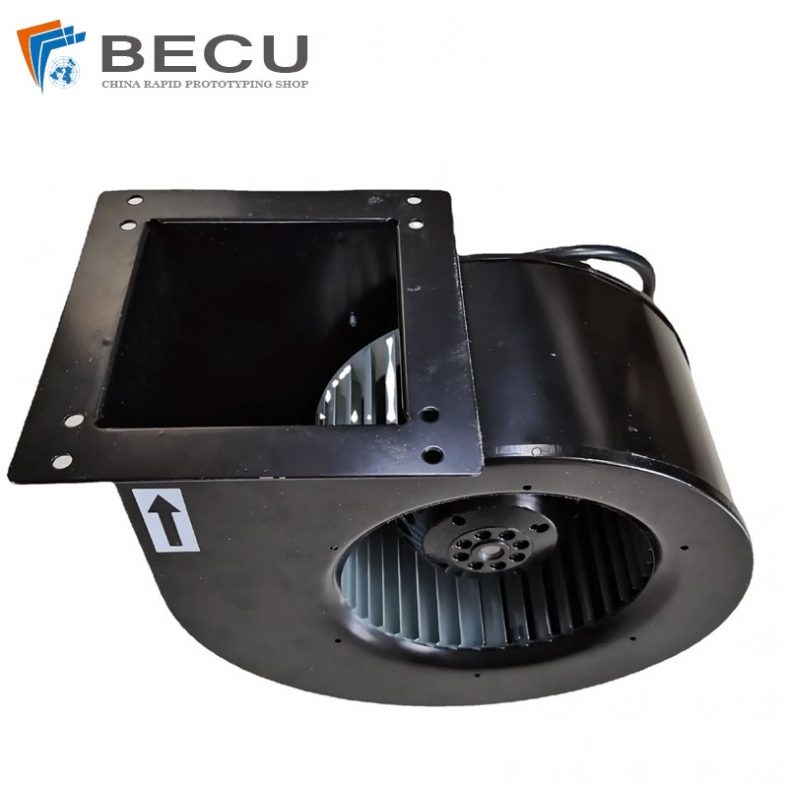
PCS Fan Ductwork Sheet Metal Housing
-
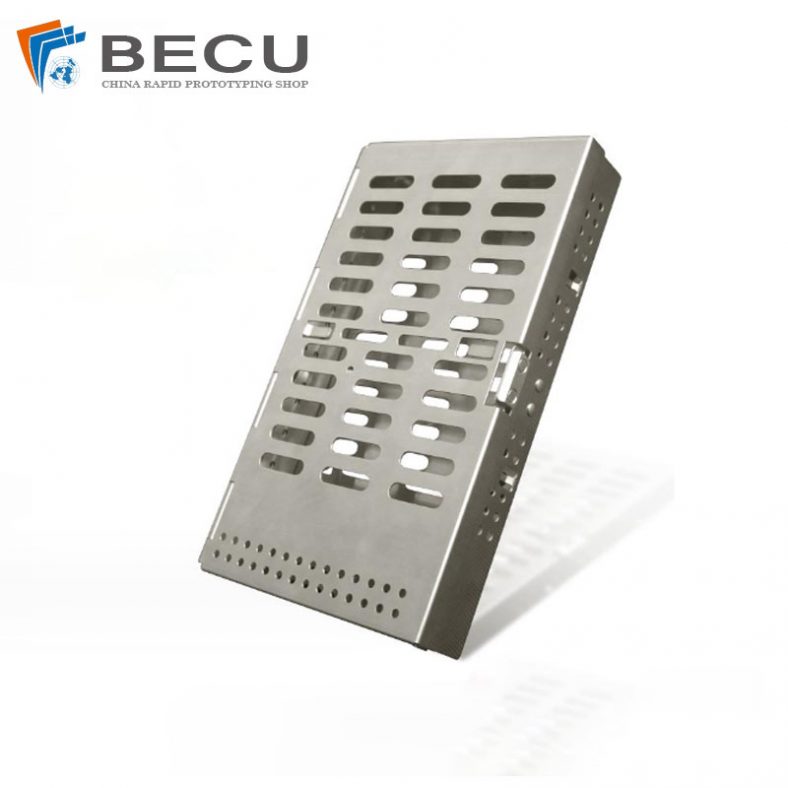
Custom Sheet Metal Surgical Instrument Sterilization Box For Beauty Salon
-
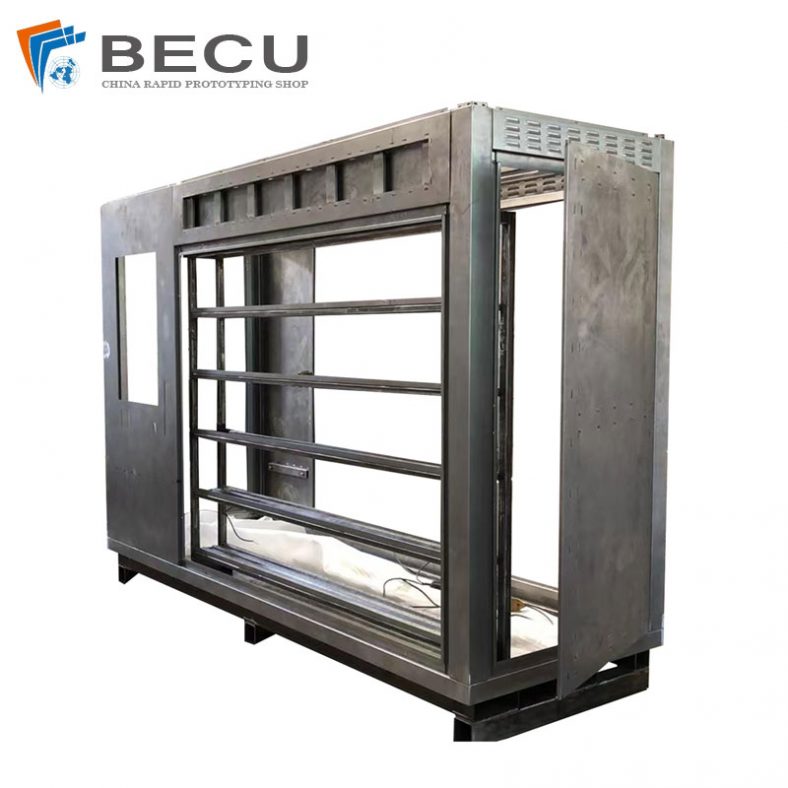
Precision Fabrication Green Energy EV Charging Station Cabinet
-
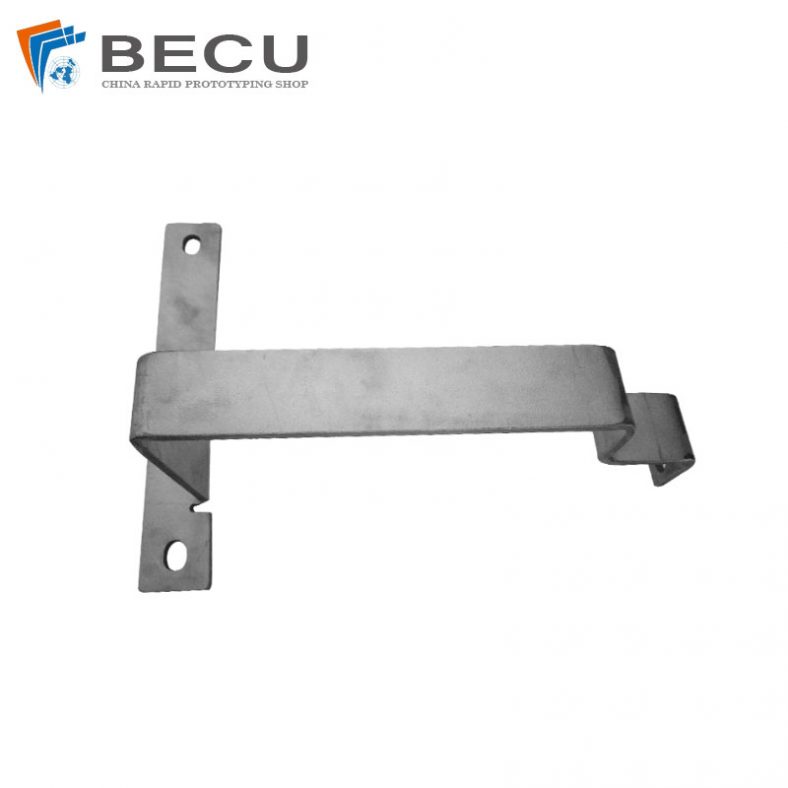
TA1TA2 Alloy Sheet Metal Manufacturing Machinery Support Parts
-
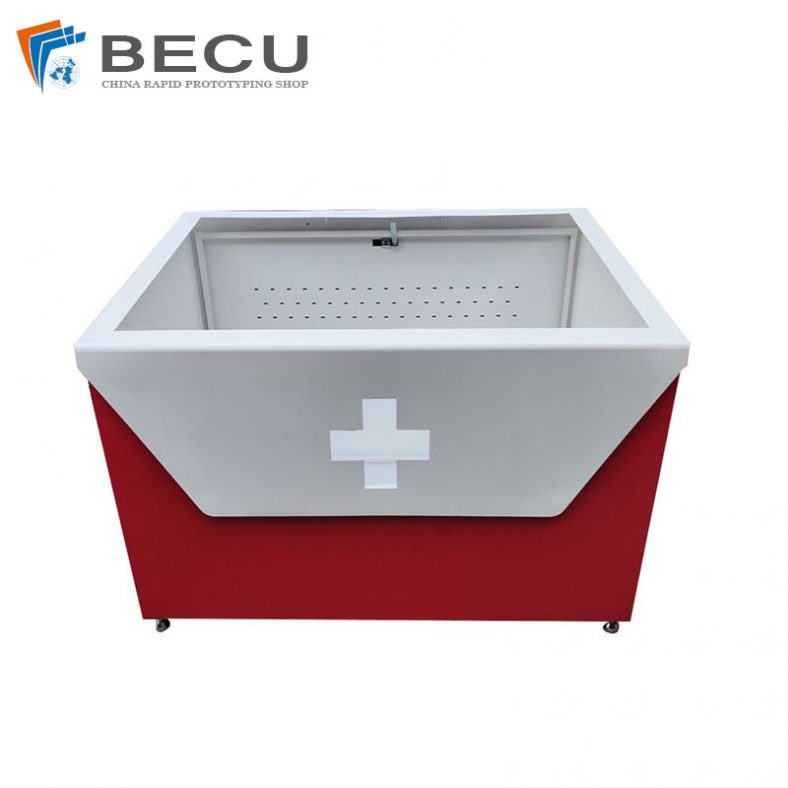
Sheet Metal Fabrication Aluminum 5052 Medical Box For Fire Fighting