
Abrasion-resistant (AR) steel is a specialized category of high-carbon alloy steel engineered to withstand severe wear and tear resulting from abrasive and erosive forces. Unlike conventional structural steels, AR steel is designed for applications where prolonged exposure to abrasive materials or high-impact conditions would rapidly degrade standard steel grades. Its unique combination of hardness, toughness, and formability makes it indispensable in industries such as mining, construction, agriculture, and manufacturing. This article provides a comprehensive examination of AR steel, including its types, manufacturing processes, mechanical properties, benefits, and diverse applications. By exploring the scientific principles behind its performance and presenting detailed comparative data, the article aims to serve as a definitive resource for understanding AR steel’s role in modern engineering.
AR steel is distinguished by its ability to resist surface damage caused by scratching, scuffing, or gouging, which are common in environments involving repetitive contact with hard or abrasive materials like rocks, sand, or ore. The development of AR steel has been driven by the need for materials that extend the service life of equipment, reduce maintenance costs, and improve operational efficiency in harsh industrial settings. With grades ranging from AR200 to AR600, each tailored to specific levels of hardness and toughness, AR steel offers a versatile solution for a wide range of applications. This article delves into the metallurgical foundations, production techniques, and practical uses of AR steel, supported by detailed tables comparing key properties and performance metrics.
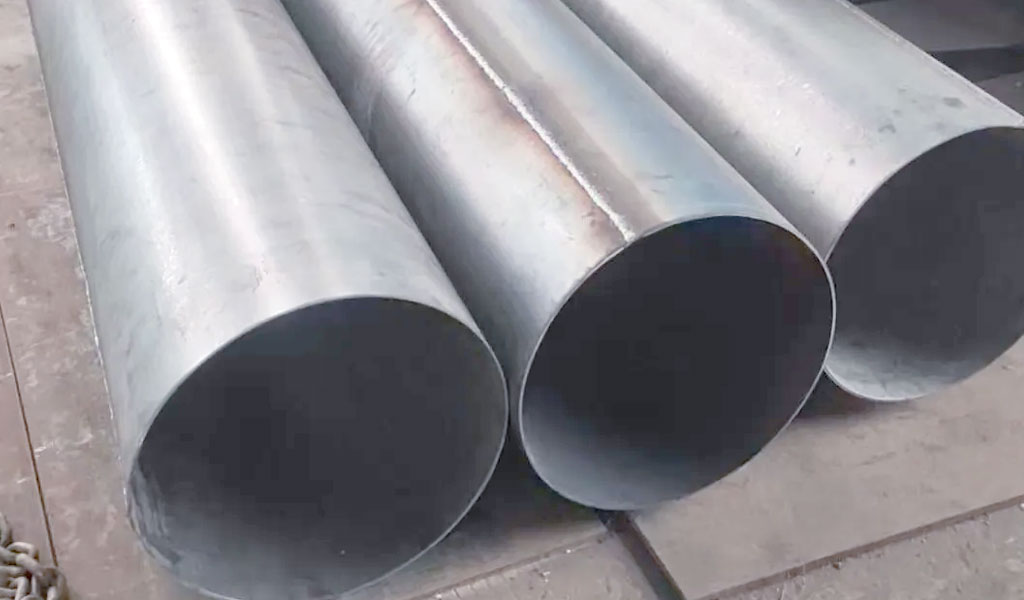
What Is Abrasion-Resistant Steel
The origins of AR steel can be traced to the early 20th century, when advances in metallurgy and heat treatment processes enabled the production of steels with enhanced wear resistance. The industrial revolution and subsequent growth of heavy industries, such as mining and construction, highlighted the limitations of conventional steels in abrasive environments. Early attempts to improve steel durability involved increasing carbon content or experimenting with alloying elements, but these often resulted in brittle materials unsuitable for dynamic applications.
By the mid-20th century, the development of quenching and tempering (Q&T) processes revolutionized the production of AR steel. These heat treatment techniques allowed manufacturers to achieve a balance between hardness and toughness, creating steels that could withstand both abrasive wear and impact forces. The introduction of standardized hardness testing, particularly the Brinell Hardness Number (BHN), provided a reliable method for classifying AR steel grades based on their resistance to indentation. Today, AR steel is a cornerstone of industrial material science, with ongoing innovations in alloy design and processing techniques continuing to expand its capabilities.
Metallurgical Composition
Alloying Elements
AR steel is primarily an iron-carbon alloy, with carbon content typically ranging from 0.15% to 0.30% by weight, though some grades may incorporate higher levels to enhance hardness. The addition of carbon is critical, as it forms hard carbide phases within the steel’s microstructure, significantly increasing its resistance to abrasive wear. However, excessive carbon can reduce toughness, making the steel prone to cracking under impact. To mitigate this, AR steel is alloyed with elements such as manganese, chromium, nickel, molybdenum, and boron, each contributing specific properties:
- Carbon: Enhances hardness and wear resistance by forming iron carbides (cementite) or other carbide phases. Higher carbon content correlates with increased Brinell hardness but reduces ductility.
- Manganese: Improves toughness and hardenability, allowing the steel to maintain its properties through thicker sections. Manganese also contributes to work-hardening in certain AR grades.
- Chromium: Increases hardness, corrosion resistance, and wear resistance by forming chromium carbides. Chromium is particularly effective in high-abrasion environments.
- Nickel: Enhances toughness and impact resistance, especially at low temperatures, making AR steel suitable for extreme conditions.
- Molybdenum: Improves strength and resistance to temper embrittlement, ensuring the steel retains its properties after heat treatment.
- Boron: A trace element that significantly enhances hardenability, allowing for uniform hardness in thicker plates.
The precise composition varies by grade and manufacturer, with proprietary formulations optimizing performance for specific applications. For example, Hardox® steel from SSAB incorporates a tailored blend of carbon, manganese, and chromium to achieve a balance of hardness and weldability, while Titus Steel’s ENDURA grades emphasize work-hardening capabilities through higher manganese content.
Microstructure
The microstructure of AR steel is a key determinant of its performance. After quenching and tempering, AR steel typically exhibits a martensitic or bainitic microstructure, characterized by fine, needle-like grains that provide exceptional hardness. Martensite, formed during rapid cooling (quenching), is the hardest phase of steel, while bainite offers a balance of hardness and toughness. The tempering process refines the microstructure, reducing internal stresses and improving ductility without significantly compromising hardness.
Some AR steels, such as those designed for work-hardening, retain an austenitic or mixed microstructure that hardens upon impact. For instance, Titus Manganese steel starts with a relatively soft austenitic structure (approximately 280 BHN) but can work-harden to over 550 BHN under repeated impact, making it ideal for applications involving high-impact abrasion.
Manufacturing Processes
Quenching and Tempering (Q&T)
The production of AR steel relies on a two-stage heat treatment process known as quenching and tempering (Q&T). This process alters the steel’s grain structure to achieve the desired combination of hardness, toughness, and formability.
- Quenching: The steel is heated to a high temperature (typically 1500–1650°F or 815–900°C), above its critical transformation point, where it transforms into austenite. It is then rapidly cooled using water, oil, or air. This rapid cooling “freezes” the austenite into martensite, a hard but brittle phase. Water quenching, while effective, can introduce stresses that increase the risk of cracking, whereas oil or air quenching offers more controlled cooling for thicker sections.
- Tempering: The quenched steel is reheated to a lower temperature (300–700°F or 150–370°C) and cooled slowly in air. This process reduces brittleness by allowing some martensite to transform into softer phases, such as tempered martensite or bainite, while preserving most of the hardness. Tempering also relieves internal stresses, improving the steel’s ability to withstand impact.
The Q&T process results in through-hardening, meaning the steel is hardened throughout its thickness, unlike case-hardened steels, which have a hard surface but a softer core. Through-hardening ensures consistent wear resistance, even as the surface is worn away over time.
Rolling and Direct Quenching
In addition to Q&T, some AR steels are produced using rolling followed by direct quenching. This method involves hot-rolling the steel to its final shape and immediately quenching it to achieve the desired microstructure. Direct quenching is particularly effective for producing thin sheets or plates with high hardness and excellent flatness, as it minimizes distortion during cooling.
Work-Hardening Steels
Certain AR steels, such as manganese-rich grades, are designed to work-harden under impact. These steels are not fully hardened during production but instead develop increased hardness in service. The work-hardening mechanism relies on the transformation of austenite to martensite under mechanical stress, significantly increasing surface hardness. This property is particularly valuable in applications like rock crushers, where the material is subjected to repeated high-impact abrasion.
Types of AR Steel
AR steel is classified into grades based on its nominal hardness, measured in Brinell Hardness Numbers (BHN). The most common grades include AR200, AR235, AR400, AR450, AR500, and AR600, each offering distinct properties suited to specific applications. Below is a detailed overview of each grade, followed by a comparative table.
AR200
AR200 is a low-carbon, medium-hardness AR steel with a nominal hardness of 200 BHN. It offers moderate abrasion resistance and is typically used in applications where wear is not severe but some durability is required. AR200 is highly formable and weldable, making it suitable for fabricating components that require bending or shaping.
- Applications: Liners for light-duty conveyors, agricultural implements, and structural components with moderate wear exposure.
- Properties: Good formability, moderate hardness, and adequate toughness for low-impact environments.
AR235
AR235, with a nominal hardness of 235 BHN, is similar to AR200 but slightly harder, offering improved wear resistance. It is often used in applications requiring a balance between cost and durability, such as in light construction equipment.
- Applications: Chutes, hoppers, and wear plates in low-abrasion environments.
- Properties: Enhanced hardness compared to AR200, good weldability, and sufficient toughness.
AR400
AR400 is one of the most widely used AR steel grades, with a hardness range of 360–444 BHN. It strikes a balance between hardness and formability, making it versatile for a variety of applications. AR400 is known for its excellent weldability and ability to withstand moderate impact, making it a popular choice in heavy machinery.
- Applications: Excavator buckets, dump truck beds, and crusher components.
- Properties: High abrasion resistance, good formability, and moderate impact resistance.
AR450
AR450, with a hardness range of 420–470 BHN, offers greater durability than AR400, making it suitable for more severe abrasion environments. It retains good formability and weldability, though it requires more care during fabrication due to its increased hardness.
- Applications: Mining equipment, heavy construction machinery, and wear liners.
- Properties: Superior wear resistance, good toughness, and moderate formability.
AR500
AR500, with a hardness range of 477–534 BHN, is designed for high-impact and high-abrasion applications. Its exceptional hardness makes it ideal for environments where extreme wear resistance is critical, such as ballistic targets and heavy-duty mining equipment. However, its reduced formability and weldability limit its use in applications requiring extensive shaping.
- Applications: Military armor, shooting range targets, and heavy-duty crusher jaws.
- Properties: Outstanding abrasion and impact resistance, limited formability, and challenging weldability.
AR600
AR600, with a hardness of up to 640 BHN, is the hardest AR steel grade, designed for extremely abrasive conditions. Its high hardness comes at the cost of increased brittleness, making it less suitable for applications involving significant impact or dynamic loading.
- Applications: Specialized wear liners, cutting edges, and extreme abrasion environments.
- Properties: Maximum wear resistance, minimal formability, and high brittleness.
Comparative Table of AR Steel Grades
| Grade | Hardness (BHN) | Carbon Content (%) | Key Alloying Elements | Formability | Weldability | Impact Resistance | Typical Applications |
|---|---|---|---|---|---|---|---|
| AR200 | 200 | 0.15–0.20 | Mn, Cr | Excellent | Excellent | High | Light-duty liners, agricultural tools |
| AR235 | 235 | 0.18–0.22 | Mn, Cr | Excellent | Excellent | High | Chutes, hoppers, light construction |
| AR400 | 360–444 | 0.20–0.25 | Mn, Cr, Ni | Good | Good | Moderate | Excavator buckets, crusher components |
| AR450 | 420–470 | 0.22–0.27 | Mn, Cr, Mo | Moderate | Moderate | Moderate | Mining equipment, heavy machinery |
| AR500 | 477–534 | 0.25–0.30 | Mn, Cr, Ni, Mo | Poor | Poor | High | Ballistic targets, heavy-duty crushers |
| AR600 | 570–640 | 0.28–0.35 | Mn, Cr, Mo, B | Very Poor | Very Poor | Low | Extreme wear liners, cutting edges |
Note: Values are approximate and may vary by manufacturer. Formability and weldability are qualitative assessments based on industry standards.
Benefits of AR Steel
AR steel offers a range of advantages that make it a preferred material in industries requiring durable, wear-resistant components. These benefits stem from its unique metallurgical properties and manufacturing processes, which enable it to outperform conventional steels in harsh environments.
Exceptional Wear Resistance
The primary benefit of AR steel is its ability to resist abrasive wear, extending the service life of components exposed to scratching, gouging, or erosive forces. For example, AR400 plates can last up to four times longer than mild steel in high-abrasion environments, reducing replacement frequency and downtime. The high hardness of AR steel, achieved through carbon alloying and Q&T, ensures that it maintains its integrity even under continuous contact with abrasive materials like sand, gravel, or ore.
Enhanced Durability
AR steel’s through-hardened structure provides consistent durability across its entire thickness, unlike surface-hardened steels that lose their wear resistance as the outer layer wears away. This property is particularly valuable in applications like mining equipment, where components are subjected to prolonged wear. For instance, AR500 wear liners in a rock crusher can withstand years of operation without significant degradation, minimizing maintenance costs.
Cost-Effectiveness
While AR steel has a higher upfront cost than mild steel, its extended service life and reduced maintenance requirements result in significant cost savings over time. By reducing the need for frequent replacements and repairs, AR steel improves operational efficiency and lowers total lifecycle costs. For example, a dump truck bed lined with AR450 can handle thousands of abrasive loads without requiring replacement, compared to a mild steel bed that may fail within months.
Versatility
AR steel’s range of grades allows it to be tailored to specific applications, from moderate wear environments (AR200) to extreme abrasion conditions (AR600). This versatility enables engineers to select the optimal grade for their project, balancing hardness, toughness, and formability. Additionally, AR steel can be cut, welded, and formed into complex shapes, making it suitable for custom-fabricated components like chutes, hoppers, and buckets.
Improved Safety
In industries like mining and construction, equipment failure due to wear can pose significant safety risks. AR steel’s durability reduces the likelihood of unexpected failures, enhancing workplace safety. For example, AR500 plates used in ballistic applications, such as shooting range targets, provide reliable protection against high-velocity impacts, ensuring user safety.
Work-Hardening Capability
Certain AR steels, such as manganese-rich grades, exhibit work-hardening, where their surface hardness increases under impact. This property is ideal for applications involving repetitive high-impact abrasion, such as rock crushers or hammer mills. For instance, Titus Manganese steel can increase in hardness by over 200% during service, offering unmatched durability in dynamic environments.
Environmental Benefits
AR steel’s extended lifespan reduces the frequency of component replacements, lowering material consumption and waste. Additionally, steel is highly recyclable, and many AR steel products are made from recycled scrap, contributing to sustainable manufacturing practices. The use of thinner AR steel plates, which offer equivalent or superior performance to thicker mild steel, also reduces material usage and equipment weight, improving fuel efficiency in applications like transportation.
Applications of AR Steel
AR steel’s unique properties make it a critical material in industries where equipment is exposed to abrasive or high-impact conditions. Below is a detailed exploration of its applications across various sectors, supported by specific examples and performance metrics.
Mining Industry
The mining industry is one of the largest consumers of AR steel, as equipment must withstand continuous contact with hard, abrasive materials like ore, coal, and rock. AR steel is used in components such as:
- Crusher Jaws and Liners: AR500 and AR600 plates are used in jaw crushers and cone crushers, where they resist the extreme abrasion and impact of crushing hard rock. For example, a set of AR500 crusher jaws can last up to 12 months in a granite quarry, compared to 3 months for mild steel.
- Chutes and Hoppers: AR400 and AR450 are used to line chutes and hoppers that transport abrasive materials, preventing wear and extending service life. A typical AR450-lined chute can handle millions of tons of ore without significant degradation.
- Conveyor Systems: AR200 and AR235 are used in conveyor wear plates, where moderate abrasion resistance is sufficient to protect against material flow.
Construction Industry
In construction, AR steel is used in heavy machinery and structural components exposed to abrasive conditions, such as:
- Excavator Buckets: AR400 buckets withstand the abrasion of digging through rocky soil or gravel, lasting up to three times longer than mild steel buckets.
- Bulldozer Blades: AR450 blades resist wear from pushing abrasive materials like sand or clay, maintaining their cutting edge over extended periods.
- Dump Truck Beds: AR450 and AR500 liners protect truck beds from the impact and abrasion of hauling heavy, abrasive loads, reducing maintenance costs.
Agricultural Industry
Agricultural equipment operates in abrasive environments involving soil, rocks, and plant material, making AR steel a valuable material for:
- Plows and Tillers: AR400 components resist wear from abrasive soils, extending the lifespan of tillage equipment.
- Combine Harvesters: AR450 wear plates protect harvester components from the abrasion of crops and soil, improving reliability during harvest seasons.
- Augers: AR200 augers handle moderate abrasion in grain handling systems, offering a cost-effective solution for less demanding applications.
Manufacturing and Industrial Applications
In manufacturing, AR steel is used in equipment and components exposed to repetitive wear, such as:
- Wear Liners: AR450 and AR500 liners are used in cement plants, power plants, and recycling facilities to protect machinery from abrasive materials like clinker or scrap metal.
- Cutting Edges: AR600 cutting edges are used in industrial shears and blades, maintaining sharpness under extreme abrasion.
- Hammer Mills: Work-hardening manganese steels are used in hammer mill components, where their ability to harden under impact extends service life.
Military and Ballistic Applications
AR steel, particularly AR500 and AR600, is widely used in military and ballistic applications due to its ability to withstand high-velocity impacts:
- Armored Vehicles: AR500 plates provide protection against ballistic threats, offering a lightweight alternative to traditional armor materials.
- Shooting Range Targets: AR500 targets resist deformation from repeated bullet impacts, ensuring long-term durability and safety.
- Tactical Equipment: AR600 is used in specialized applications requiring maximum resistance to penetration, such as protective barriers.
Transportation Industry
In transportation, AR steel is used to protect vehicles and equipment from wear caused by abrasive cargos:
- Truck Bed Liners: AR450 liners protect truck beds from the abrasion of hauling gravel, sand, or ore, extending bed life by up to five times compared to mild steel.
- Railcar Liners: AR400 liners are used in railcars transporting abrasive materials, reducing maintenance and improving load capacity.
- Shipping Containers: AR200 liners protect containers used for bulk material transport, offering moderate wear resistance at a lower cost.
Comparative Table of AR Steel Applications
| Industry | AR Grade | Application Example | Wear Type | Expected Lifespan (vs. Mild Steel) |
|---|---|---|---|---|
| Mining | AR500 | Crusher jaws | High-impact abrasion | 4–5x |
| Construction | AR400 | Excavator buckets | Moderate abrasion | 3–4x |
| Agriculture | AR450 | Combine harvester wear plates | Abrasion and impact | 3–5x |
| Manufacturing | AR600 | Cutting edges | Extreme abrasion | 5–6x |
| Military | AR500 | Ballistic targets | High-velocity impact | 10x+ |
| Transportation | AR450 | Truck bed liners | Abrasion and impact | 4–5x |
Note: Lifespan comparisons are approximate and depend on operating conditions and material specifications.
Challenges and Limitations
Despite its numerous advantages, AR steel has certain limitations that must be considered during material selection and fabrication:
Machinability
The high hardness of AR steel, particularly in grades like AR500 and AR600, makes it challenging to machine. Cutting, drilling, and shaping require specialized tools, such as carbide or diamond-tipped bits, and may increase fabrication costs. For example, AR500 plates often require plasma or laser cutting to achieve precise shapes, as mechanical cutting can damage standard tools.
Formability
As hardness increases, formability decreases, limiting the ability to bend or shape higher-grade AR steels. AR200 and AR235 can be formed with standard equipment, but AR500 and AR600 require large-radius tools and careful control to avoid cracking. Manufacturers often provide bending charts to guide fabricators in selecting appropriate tooling and parameters.
Weldability
While AR400 and lower grades are relatively weldable, higher grades like AR500 and AR600 require preheating and specialized welding techniques to prevent cracking. The high carbon content and alloying elements can lead to weld imperfections if not properly managed, necessitating skilled labor and additional processing time.
Brittleness
High-hardness AR steels, such as AR600, are more brittle than lower grades, making them susceptible to cracking under dynamic loading or impact. This limits their use in applications requiring flexibility or resistance to cyclic stresses.
Weight Considerations
AR steel is denser than mild steel, which can increase the weight of components. In applications where weight reduction is critical, such as in mobile equipment, engineers must balance the benefits of AR steel’s durability with the added mass. Thinner AR steel plates can mitigate this issue, as they provide equivalent performance to thicker mild steel.
Cost
The initial cost of AR steel is higher than that of mild steel due to its complex alloying and heat treatment processes. However, this cost is often offset by its extended service life and reduced maintenance requirements. For low-wear applications, the use of AR steel may not be cost-effective compared to cheaper alternatives.
Conclusion:Future Trends and Innovations
Abrasion-resistant steel is a cornerstone of modern industrial engineering, offering unmatched durability and versatility in environments where wear and tear are significant challenges. Its unique combination of hardness, toughness, and formability, achieved through precise alloying and heat treatment, makes it indispensable in industries ranging from mining to military applications. By understanding the metallurgical principles, manufacturing processes, and performance characteristics of AR steel grades, engineers and fabricators can select the optimal material for their specific needs.
The development of AR steel continues to evolve, driven by advances in material science and manufacturing technologies. Emerging trends include:
Advanced Alloy Design
Researchers are exploring new alloy combinations to enhance AR steel’s properties, such as increasing toughness without sacrificing hardness. For example, the addition of vanadium or titanium can form ultra-hard carbides, improving wear resistance while maintaining formability.
Nanostructured Steels
Nanotechnology is being applied to create AR steels with nanoscale grain structures, offering superior strength and toughness. These steels could provide enhanced performance in extreme environments, such as deep-sea mining or space exploration.
Hybrid Materials
The integration of AR steel with composite materials or coatings is an emerging area of research. For instance, applying ceramic or polymer coatings to AR steel surfaces can further enhance wear resistance, while composite laminates can reduce weight.
Sustainable Manufacturing
Efforts to reduce the environmental impact of AR steel production include the use of electric arc furnaces powered by renewable energy and increased reliance on recycled scrap. These practices align with global sustainability goals while maintaining the performance of AR steel.
Digital Fabrication
Advances in digital manufacturing, such as additive manufacturing (3D printing) and computer-aided design (CAD), are enabling the production of custom AR steel components with optimized geometries. This reduces material waste and allows for tailored solutions in complex applications.
The benefits of AR steel—exceptional wear resistance, enhanced durability, cost-effectiveness, and versatility—far outweigh its limitations, such as reduced machinability and formability in higher grades. Ongoing innovations in alloy design, manufacturing techniques, and sustainable practices promise to further expand the capabilities and applications of AR steel, ensuring its continued relevance in a rapidly evolving industrial landscape. Through detailed comparisons and practical examples, this article has demonstrated the critical role of AR steel in enhancing equipment longevity, improving safety, and driving operational efficiency across diverse sectors.
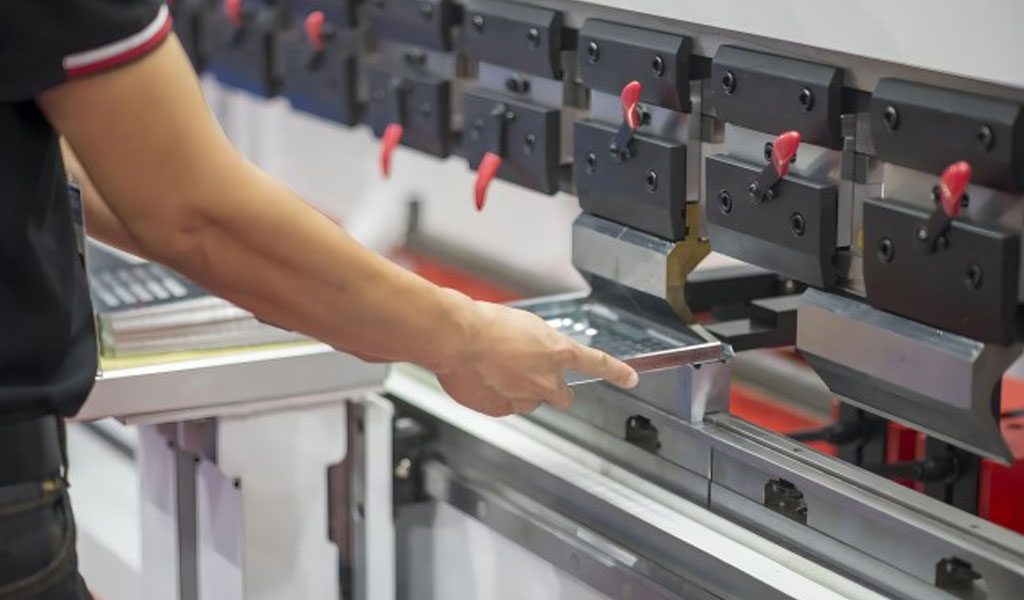
China Sheet Metal Fabrication Company
Sheet fabrication services for mild steel, high strength low alloy (HSLA) steel, cold/hot rolled steel, galvanized steel, stainless steel, aluminum, copper and brass. Capable of fabricating parts up to 12 ft. length and +/-0.001 in. tolerance. Various capabilities include contract manufacturing,custom stamping,edge rolling, forming,top laser cutting, roll bending and welding. Finishing and secondary services such as hardware installation, tapping, deburring, cleaning, heat treating, plating, anodizing and painting available. Sheet Metal Prototype and low to high volume production runs offered.
Suitable for commercial/residential architectural, aluminum brake shape parts, wall panel systems, brackets, general flashings, rails, call button plates and ship building component parts.If you want a specific material to be used in the sheet metal fabrication process, don’t hesitate to contact us!
-
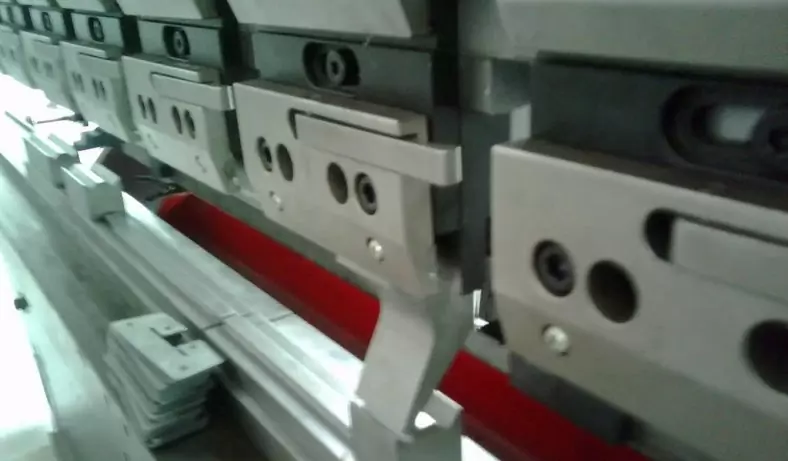
Stainless Steel Sheet Metal Fabrication
-
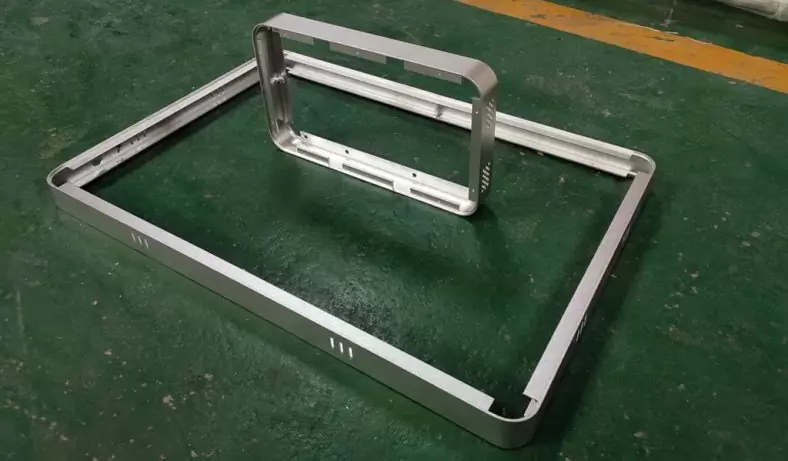
Aluminum Sheet Metal Fabrication
-
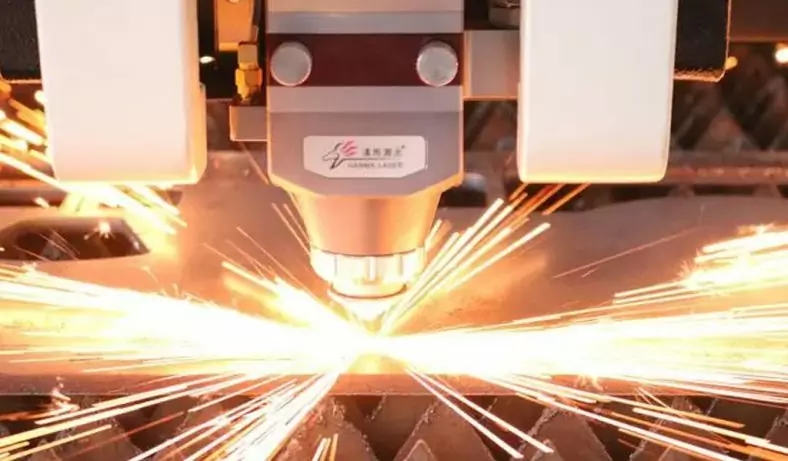
Copper Sheet Metal Fabrication
-
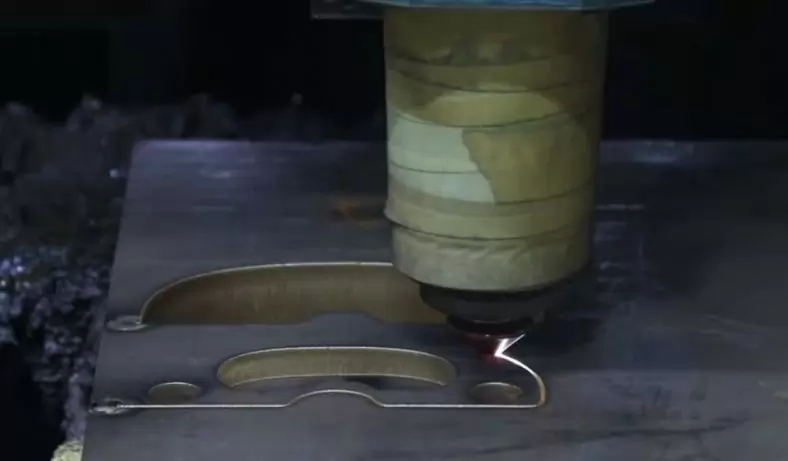
Brass Sheet Metal Fabrication
-
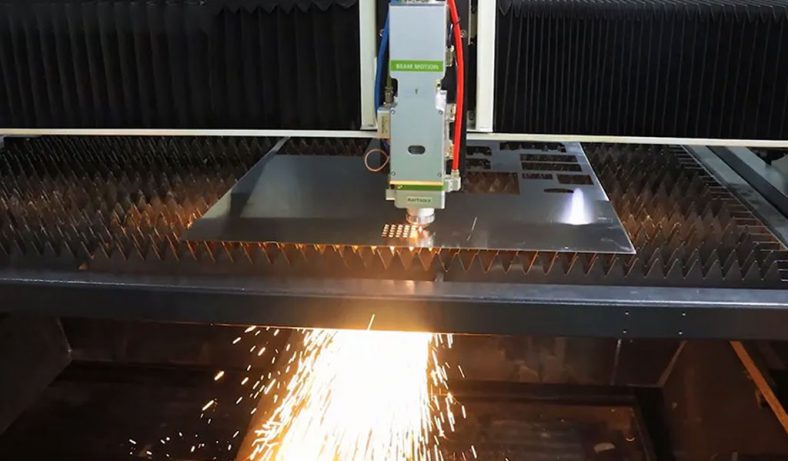
Steel Sheet Metal Fabrication
-
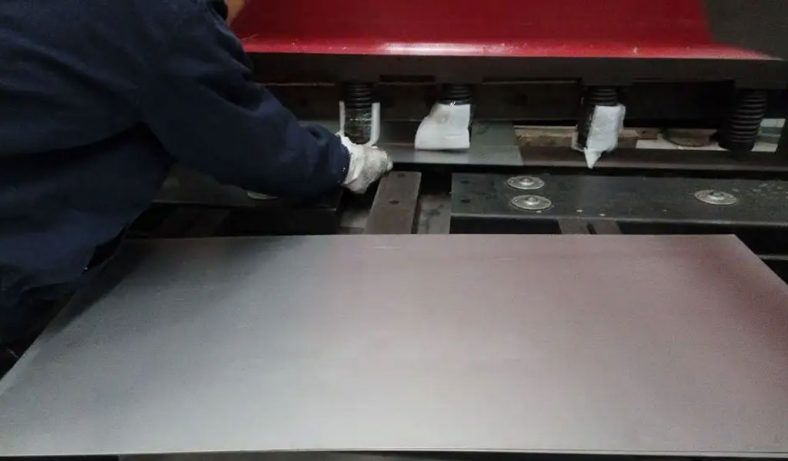
Titanium Sheet Metal Fabrication
-
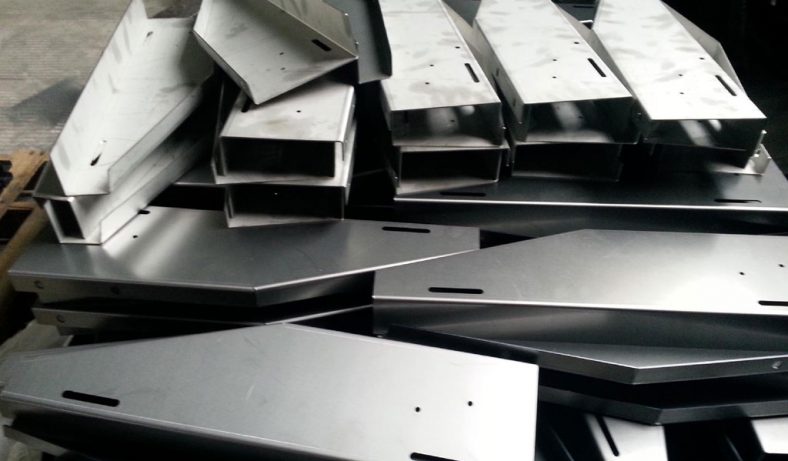
Galvanized Steel Sheet Metal Fabrication
-
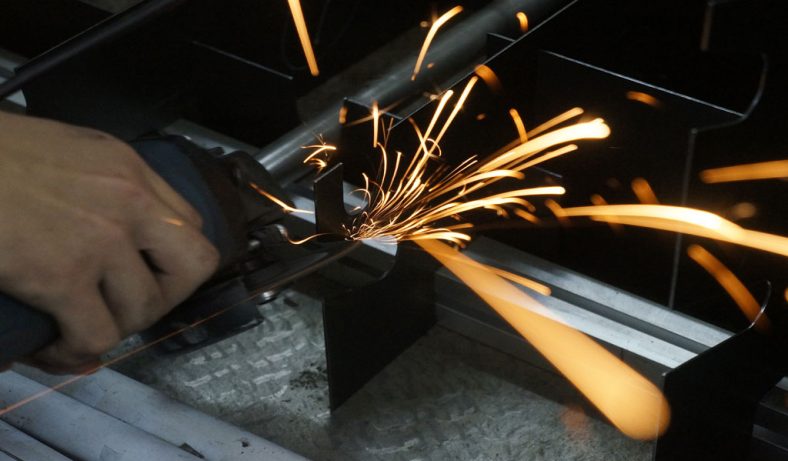
Mild Steel Sheet Metal Fabrication
-
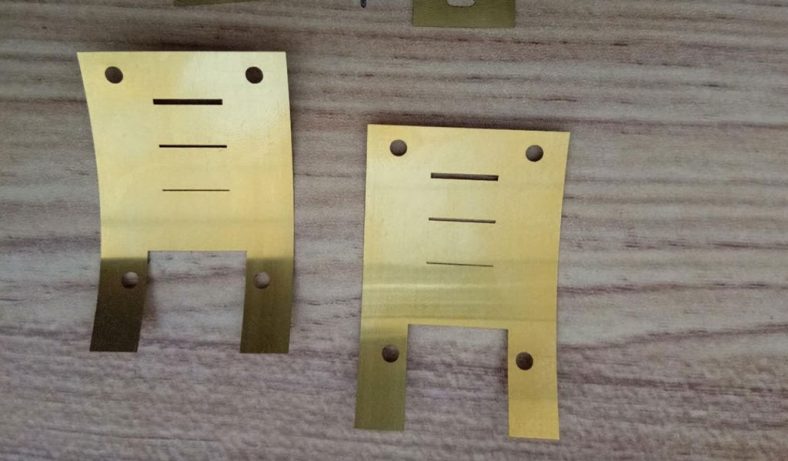
Bronze Sheet Metal Fabrication
Our Sheet Metal Fabrication Applications
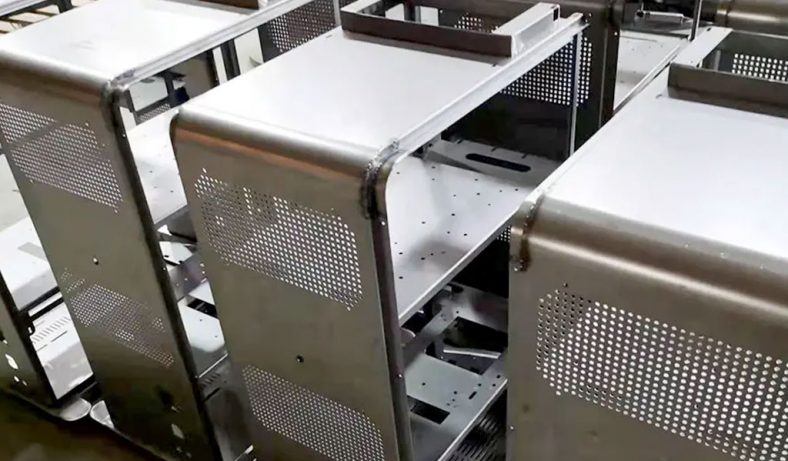
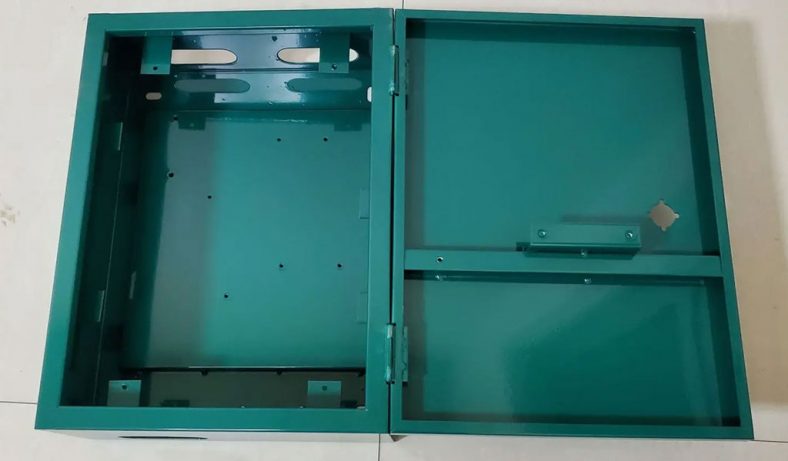
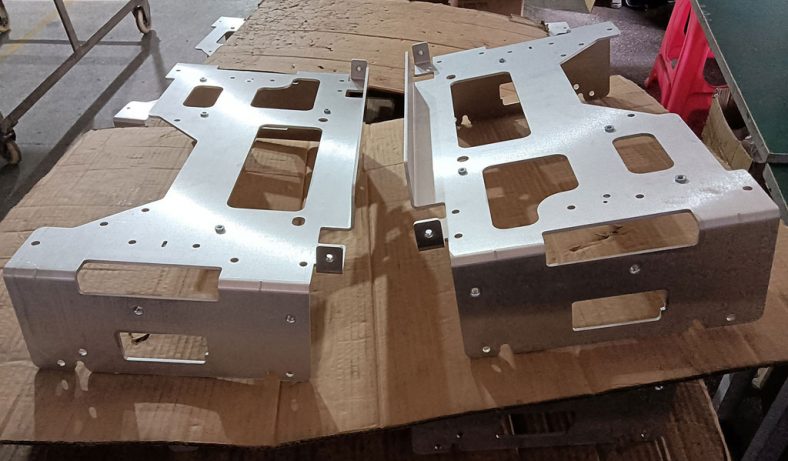
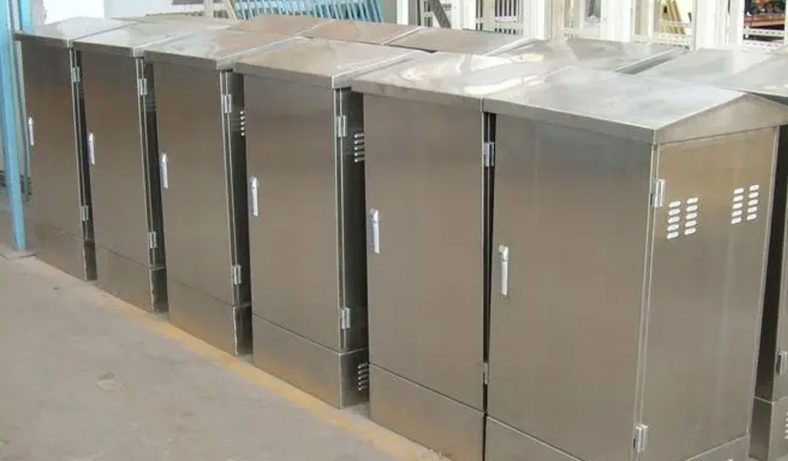
Be-Cu prototype offers custom sheet metal fabrication for creating structures, machines, and parts that includes:
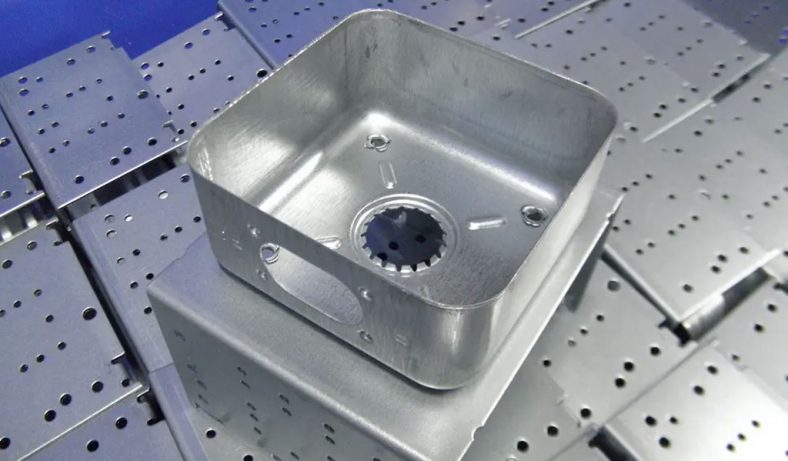
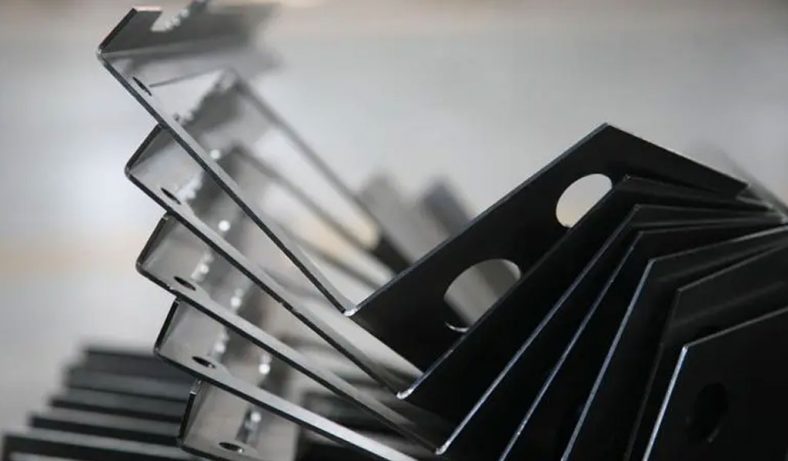
Our Case Studies Gallery Of Sheet Metal Fabrication Parts
If you need custom Sheet Metal Fabrication parts in China from a trusted supplier, look no further. Professional service from 10 to 100000+ parts,Whether you want a small series production or large quantities,Be-Cu Prototype scale precision Sheet Metal Fabrication services according to our customers needs, including pipe,plate and tube cutting. Contact us to see how we can help you! Get a quote today!
-
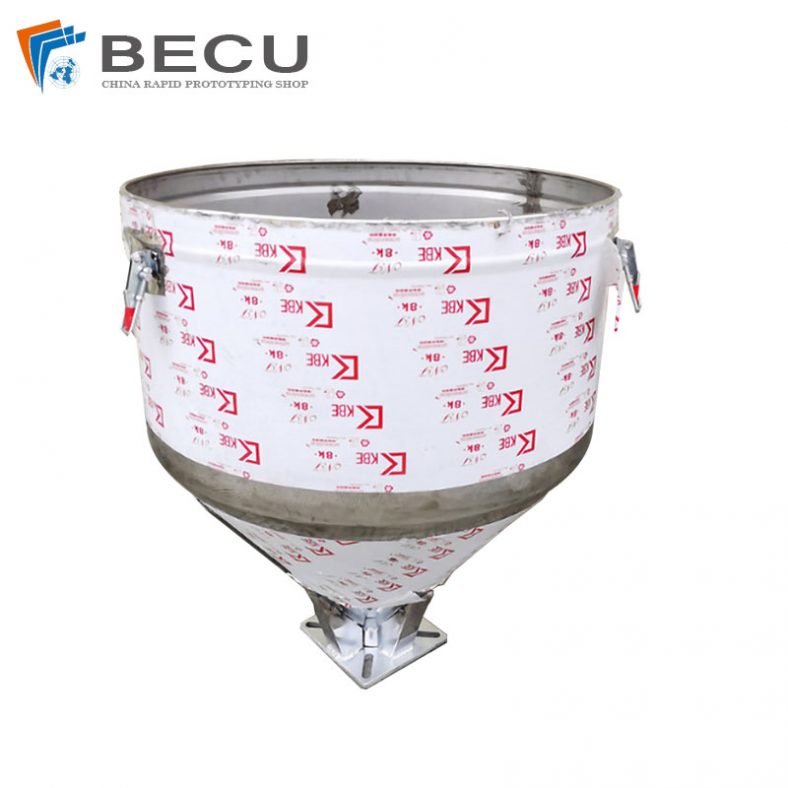
Sheet Metal Fabrication Injection Molding Machine Hopper
-
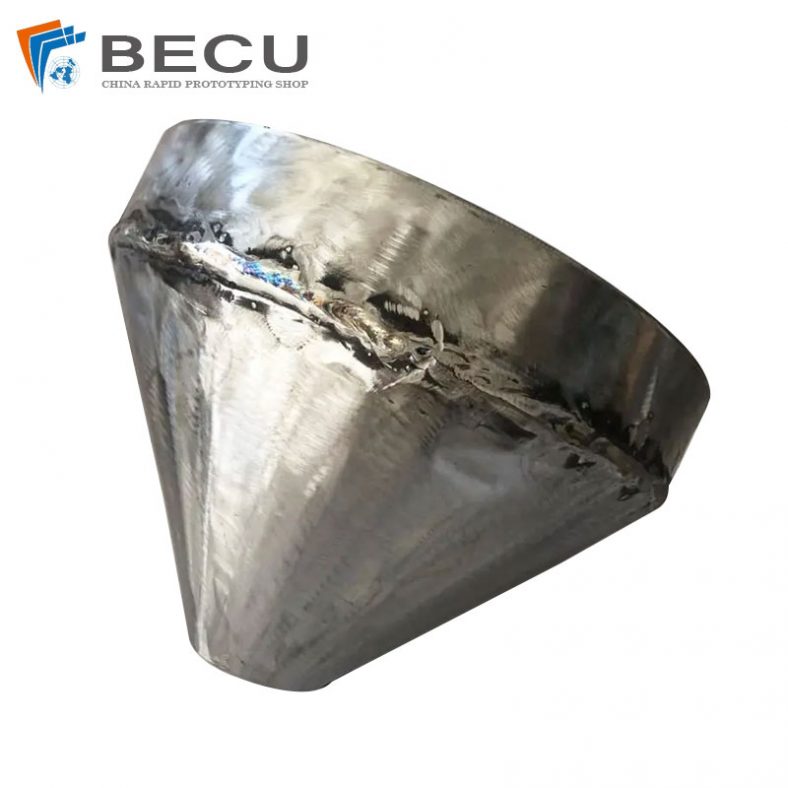
Sheet Metal Fabrication Funnel For Agricultural Machinery
-
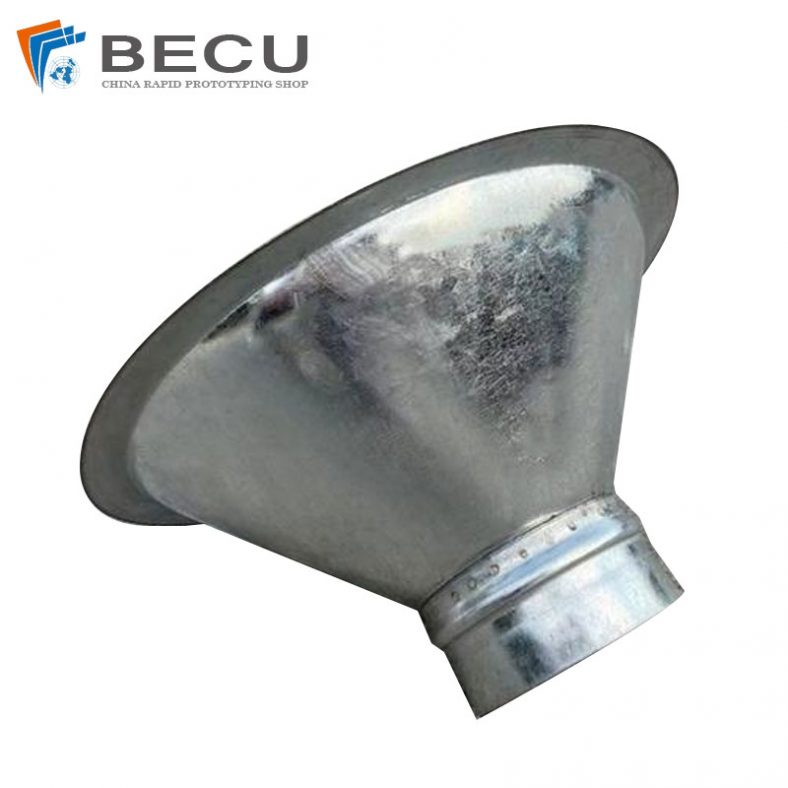
Sheet Metal Fabrication Galvanized Spiral Air Duct
-
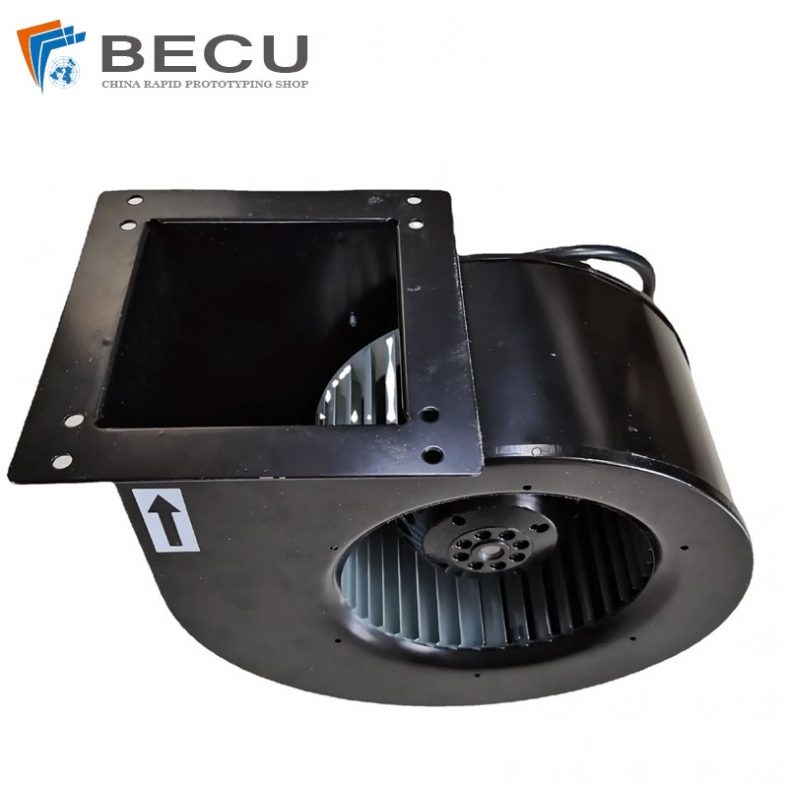
PCS Fan Ductwork Sheet Metal Housing
-
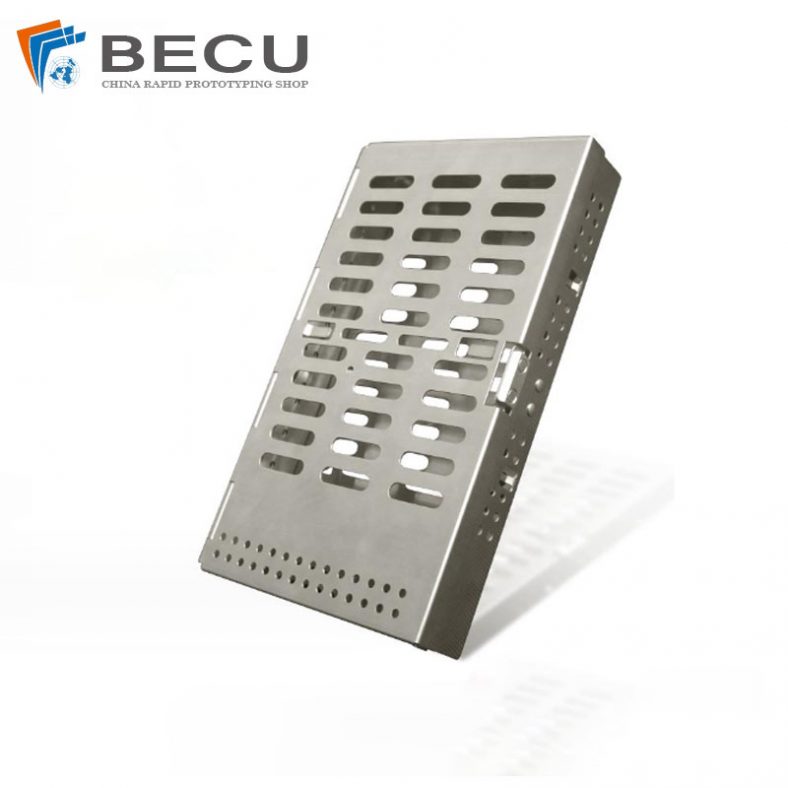
Custom Sheet Metal Surgical Instrument Sterilization Box For Beauty Salon
-
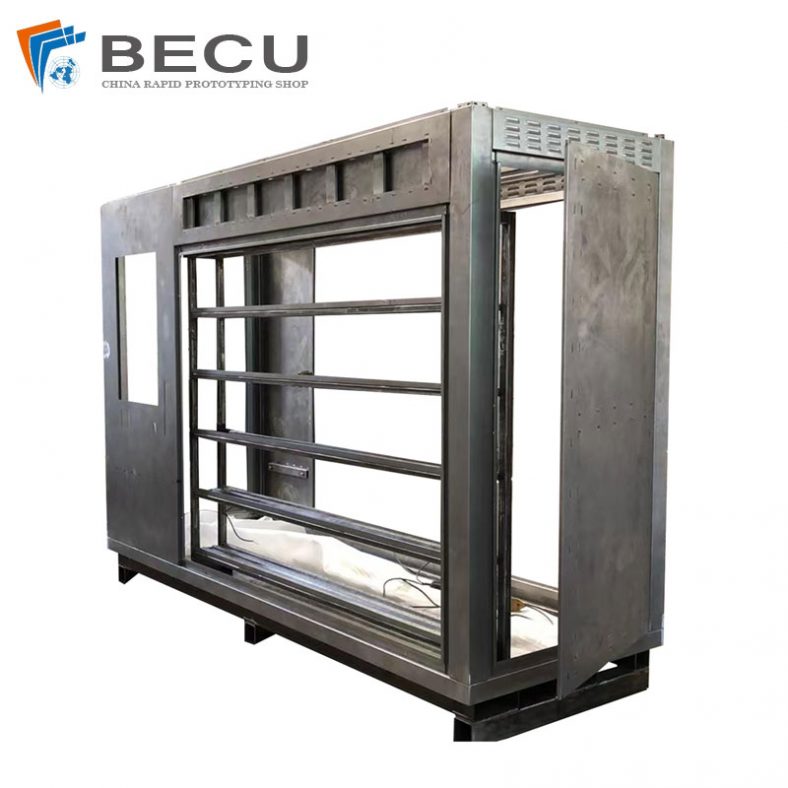
Precision Fabrication Green Energy EV Charging Station Cabinet
-
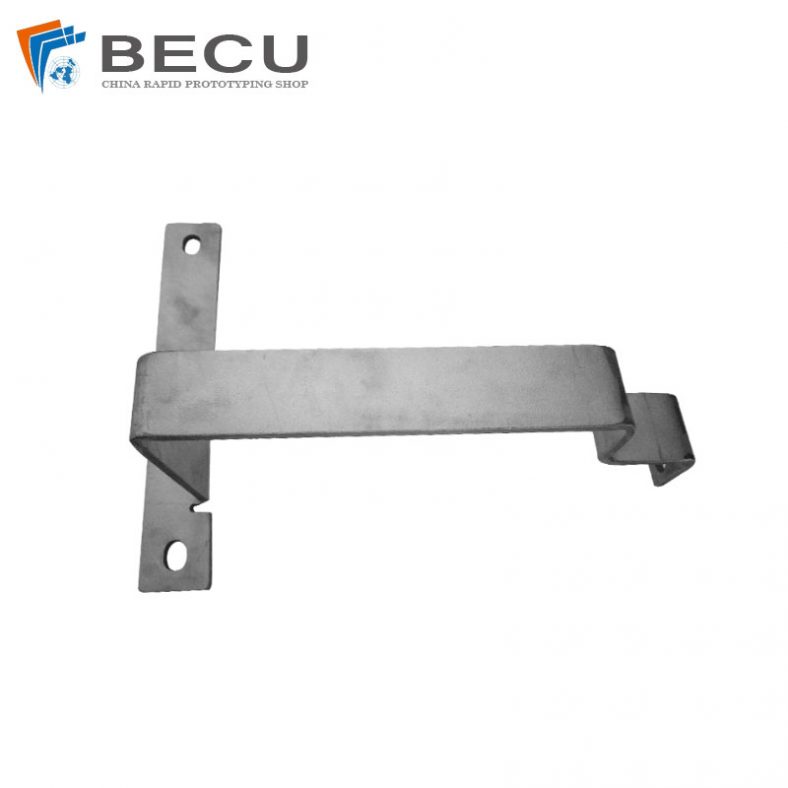
TA1TA2 Alloy Sheet Metal Manufacturing Machinery Support Parts
-
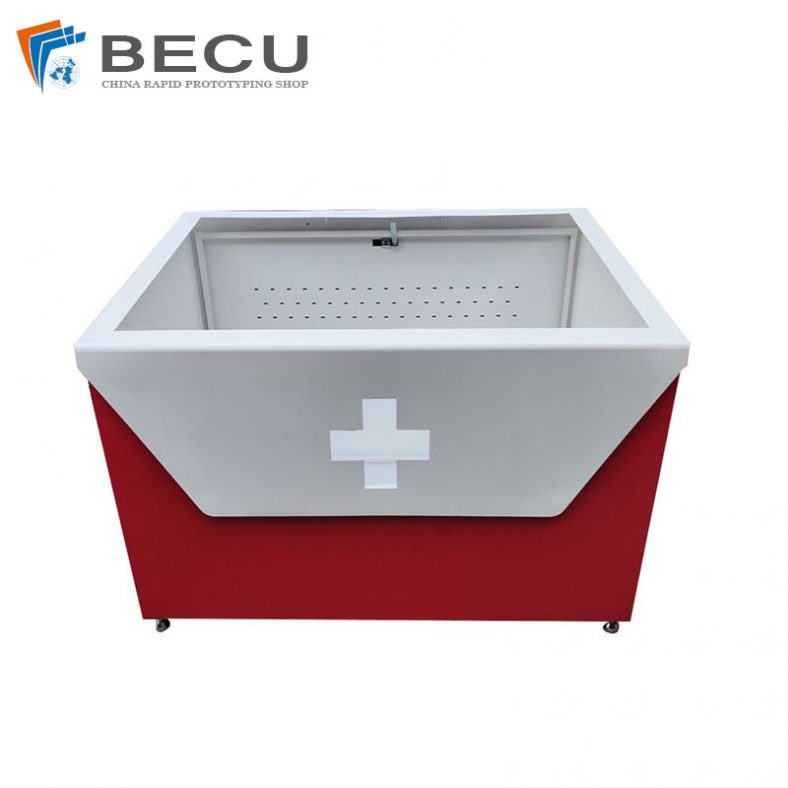
Sheet Metal Fabrication Aluminum 5052 Medical Box For Fire Fighting